


 Svenska
  English (UK)
  Русский
  العربية
  日本語
日本語  한국어
한국어  Magyar
  Türkçe
  Español
  Čeština
  Português
  Ελληνικά
  Suomi
Suomi  Nederlands
  Română
  Italiano
  Français
  Polski
  Українська
  Deutsch
  简体中文
简体中文  Slovenčina
 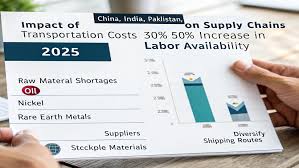 Globala konflikters inverkan på störningar i leveranskedjan och ökande transportkostnader">

Understanding the Ripple Effects of Global Conflicts on Supply Chains
Global conflicts and geopolitical tensions are no longer distant news headlines; their effects trickle down to touch businesses and industries worldwide, especially the logistics and transport sectors. When supply chains get tangled by these disruptions, the repercussions are often felt in delays, soaring costs, and unpredictability in deliveries. This isn’t just about trucks or ships running late; it’s about a fundamental shakeup in how goods move from point A to B.
The Anatomy of Disruptions: What’s Really Going On?
Imagine a carefully planned train schedule suddenly thrown off course—this illustrates how conflicts cause interruptions. Transport routes become restricted or less reliable, forcing companies to reroute shipments or delay dispatches. Fluctuations in fuel prices, driven by instability in oil-producing regions, also add fuel to the fire by pushing operational costs higher.
Moreover, shifting regulatory frameworks prompted by geopolitical developments mean logistics providers constantly monitor and adapt to new import-export regulations och tariff structures. Trade policies don’t remain static in these situations; they evolve rapidly, requiring nimble responses to maintain compliance and keep expenses in check.
The Rising Costs and Their Domino Effect on Logistics
Once supply chains are rattled, the knock-on effect is price hikes throughout the sändning lifecycle. Not only do companies have to shell out more for transportation, but the unpredictability causes inefficiencies that lead to higher operational expenses. This can include longer warehousing times, increased labor costs, and amplified insurance premiums for valuable or delayed cargo.
Here’s a quick snapshot of typical cost drivers:
| Kostnadskomponent | Impact of Conflicts | Konsekvenser för logistiken |
|---|---|---|
| Fuel Prices | Volatile due to regional instability | Increased transport and haulage costs |
| Route Changes | Detours or delays because of restricted zones | Longer delivery times, higher mileage charges |
| Regulatorisk efterlevnad | Dynamic import-export rules, tariffs | Need for constant adaptation, possible fines |
| Inventory Holding | Delayed shipments force longer storage | Increased warehousing and handling costs |
| Insurance Premiums | Higher risk assessments during conflict periods | Greater expenditure for cargo protection |
Green Logistics and Sustainability in a Changing World
Adding another layer to the complexity is the increasing emphasis on sustainability and environmental compliance. Stricter miljöbestämmelser push logisticians to invest in greener technologies and adopt more transparent supply chain practices. It’s becoming clear that “business as usual” won’t cut it, as customers and authorities alike demand more eco-friendly operations, even during turbulent times.
This development aligns with the broader trend of adopting a triple bottom line approach, balancing economic, social, and environmental goals to ensure long-term resilience of supply chains.
Strategic Trade Realignments and Partnerships
In response to these challenges, companies pivot towards diversification of sourcing markets and reinforce partnerships in emerging regions to spread risk and avoid over-reliance on any single supplier or route. This strategic shuffle involves identifying and tapping into less-volatile regions, thus creating a more flexible procurement network.
Such trade realignments come with their own set of challenges and opportunities, requiring careful logistics planning and the ability to manage complex freight forwarding operations across multiple countries with varying regulations and infrastructures.
How This All Ties Into Modern Logistics Solutions
At the end of the day, managing supply chain shocks caused by global conflicts requires logistics services that are not only reliable but also adaptable and cost-effective. Platforms like GetTransport.com stand out by offering versatile transport options worldwide, from kontors- och bostadsflyttar to the shipping of large items such as furniture, vehicles, and bulky freight. Their ability to connect shippers with affordable and efficient carriers worldwide aids businesses in navigating unpredictable landscapes smoothly.
Sammanfattning av viktiga punkter
- Global conflicts disrupt supply chains through route restrictions, regulatory changes, and fuel price volatility.
- Transportation costs inflate due to these disruptions, impacting logistics operations and shipping budgets.
- Sustainability efforts introduce new requirements for greener logistics practices amid rising operational pressures.
- Diversification of trade markets helps mitigate risks but complicates freight forwarding and compliance management.
- Adopting flexible, reliable logistics solutions is essential for businesses aiming to keep goods moving reliably in a volatile world.
Experience Matters More Than Words
Even with comprehensive reviews and honest feedback, nothing quite beats firsthand experience when judging any logistics solution. On GetTransport.com, customers can directly engage with a global network of freight providers at competitive prices, gaining the freedom to make fully informed decisions without the guesswork or hidden costs. This kind of transparency and ease of use empowers shippers to tackle their moving, relocation, or cargo delivery challenges head-on with confidence.
Whether navigating international parcel shipments, container haulage, or bulky item transport, the platform’s extensive choices and user-friendly approach make it a go-to for anyone seeking reliability combined with affordability. Boka din resa on GetTransport.com and see the difference seamless logistics can make.
Looking Ahead: What This Means for Global Logistics
The impacts of global conflicts on supply chains serve as a wake-up call for the logistics industry worldwide. While these challenges might not topple the entire global freight system overnight, the disruptions push companies to rethink and innovate how goods are shipped and managed across borders. For services like GetTransport.com, staying on top of these developments means continually updating networks and offerings to provide clients with uninterrupted, efficient, and cost-effective transport solutions.
As supply chains evolve with rapid geopolitical and economic shifts, businesses using smart logistics platforms will be better poised to adapt and thrive. Start planning your next delivery and secure your cargo with GetTransport.com.
Sammanfattningsvis
The interplay between global conflicts and logistics is a complex dance of cause and effect, where disruptions lead to higher costs and necessitate smarter supply chain strategies. Companies must juggle fluctuating fuel costs, regulatory changes, and sustainability demands, all while diversifying sourcing to reduce risks. Solutions with flexible, global reach and affordability — like those offered by GetTransport.com — simplify the often tangled world of freight, shipment, and distribution.
Transporting cargo, whether parcels, pallets, or bulky goods, demands reliable partners who understand the nuances of international shipping and the importance of transparent pricing. By choosing platforms that combine convenience with extensive global networks, businesses and individuals alike can turn logistical headaches into smooth, timely deliveries — making the whole moving or shipping experience a bit less like a wild goose chase and a lot more like a well-choreographed routine.