


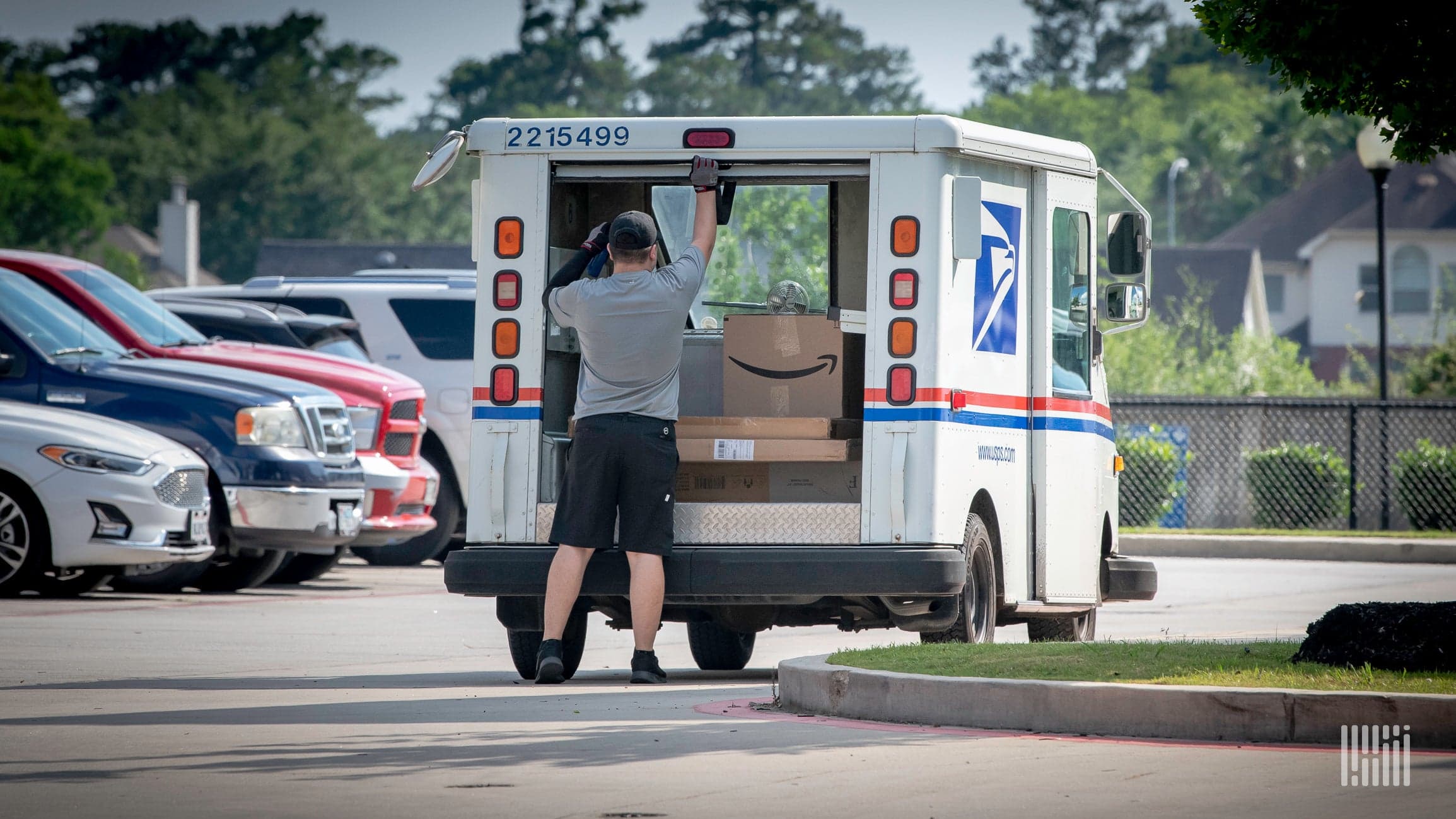

The Supreme Court’s tariff decision immediately increased ambiguity in landed cost calculations for import-dependent SMBs, complicating reorder points, safety stock levels, and short-term freight buy decisions across air, ocean, and overland lanes.
What changed on the logistics front
The ruling struck down certain tariff authorities while leaving room for temporary measures and possible new levies. For supply-chain teams, that means conditional scenarios must be added to planning models: will tariffs be reinstated, refunded, or replaced with stop-gap duties? Netstock executives, including Barry Kukkuk and Jefferson Barr, note that the legal decision has made the short-term environment murkier than prior weeks.
Immediate operational impacts
- Inventory valuation volatility — landed cost swings affect gross margins and reorder quantities.
- Lead-time mispricing — carriers and forwarders may reprice services if temporary duties increase handling complexity.
- Cash-flow uncertainty — potential refunds are not immediate, so working capital planning becomes harder.
Avoiding panic buying: measured responses from SMBs
Despite the policy shock, many SMBs are resisting knee-jerk purchasing. Rather than bulk-buying to hedge against tariff shifts, procurement teams are tightening batch sizing and focusing on demand-driven buys. That said, a significant share of SMBs still run planning on spreadsheets; roughly eight in ten continue to rely on them, according to Netstock’s observations—and spreadsheets struggle to model rapid policy oscillations.
Practical tactics logistics teams are using
- Scenario-based reorder points: maintain three to five scenarios (base, tariff-on, tariff-off, temporary duty).
- Split shipments: staggered container or pallet loads to reduce exposure to a single tariff outcome.
- Short-term contracts with carriers: lock capacity without overcommitting rates.
Table: How the ruling translates into supply-chain actions
| Issue | Impact on SMBs | Logistics Response |
|---|---|---|
| Tariff reversal/refunds | Potential balance-sheet improvements delayed | Track refundable claims; separate accounting for duties paid |
| Temporary levies | Uncertain duty rates on new shipments | Use smaller, frequent shipments; hedge with supplier agreements |
| Sourcing concentration | Risk of disruption if reliant on single country | Accelerate supplier diversification; qualify secondary sites |
Refunds probably won’t translate to lower retail prices
Even if tariffs get refunded to importers, the downstream effect at checkout is likely muted. Many firms absorbed duties to protect market share and kept product lines tight; a refund would more likely repair margins than trigger price cuts. In short: refunds can restore working capital and ease burn rates, but they are not a quick lever for consumer price relief.
Diversification is now a standard playbook
Repeated disruptions—pandemic shutdowns, maritime chokepoints, and geopolitical friction—have pushed companies away from single-source strategies. Netstock’s data shows sustained appetite to reallocate production and sourcing toward Vietnam, Mexico, and Southeast Asian hubs. But diversification is complex: regulatory differences, freight lane shifts, and new compliance loads can create short-term inefficiencies even as resilience improves long-term.
Checklist for supplier diversification
- Validate total landed cost, not just FOB price.
- Assess lead-time variability on new lanes (ocean vs. air).
- Qualify logistics partners local to new suppliers for last-mile and customs handling.
Technology: the survival tool for volatile trade
There’s a clear push toward forecasting tools with AI and automated inventory optimization. Leaders argue the days of “a cash register and a bit of Excel” are gone for firms that want to stay afloat. SMBs adopting cloud-based demand planning and integrated forecasting can simulate tariff scenarios, automate reorder alerts, and coordinate with forwarders for smoother dispatch and haulage planning.
Capabilities logistics teams should prioritize
- Multi-scenario forecasting with duty-sensitive cost inputs
- Real-time carrier and customs updates integrated into ERP
- Dashboard visibility for pallets, containers, and bulky shipments
Netstock’s growth—29% year-over-year in 2025, with a record 80 net new customers in December—signals a broader adoption wave among SMBs seeking sophisticated planning tools. Businesses that invested in visibility and agility were better able to “ride out the storm” and remain agile when the ruling landed.
Key takeaways: maintain flexible sourcing, embrace scenario-driven reorder logic, and invest in forecasting that understands tariffs as a variable, not a one-time shock. It’s like keeping an umbrella in the trunk—better safe than sorry.
Highlights: the Supreme Court decision raised immediate landed-cost ambiguity, pushed SMBs to avoid panic buys, accelerated diversification away from concentrated sourcing, and underscored technology’s role in resilient forecasting. But even the best reviews, vendor demos, and transparent dashboards can’t substitute personal experience in real freight operations. On GetTransport.com, you can order your cargo transportation at the best prices globally at reasonable prices. This empowers you to test routes, compare courier and haulage options, and adapt quickly without unnecessary expense or surprise. For your next cargo transportation, consider the convenience and reliability of GetTransport.com. Get the best offers GetTransport.com.com
In summary, SMBs face an uptick in operational complexity: tariff ambiguity affects cargo landed costs, freight pricing, and supplier selection. The practical response is a mix of tactical moves—split shipments, scenario-based safety stock, and short-term carrier locks—and strategic shifts such as diversification and investing in AI-driven forecasting. These measures help stabilize shipment planning, delivery timing, and distribution decisions for pallets, containers, and bulky items whether moving domestically or across international lanes. Reliable logistics, whether via freight forwarders, courier services, or platforms that coordinate furniture, vehicles, or housemove relocations, will be central to how SMBs navigate the months ahead. Embracing these steps aligns operational practice with the new normal of structured volatility and makes transport, shipping, and forwarding decisions more resilient and cost-effective.