


 Svenska
  English (UK)
  Русский
  العربية
  日本語
日本語  한국어
한국어  Magyar
  Türkçe
  Español
  Čeština
  Português
  Ελληνικά
  Suomi
Suomi  Nederlands
  Română
  Italiano
  Français
  Polski
  Українська
  Deutsch
  简体中文
简体中文  Slovenčina
 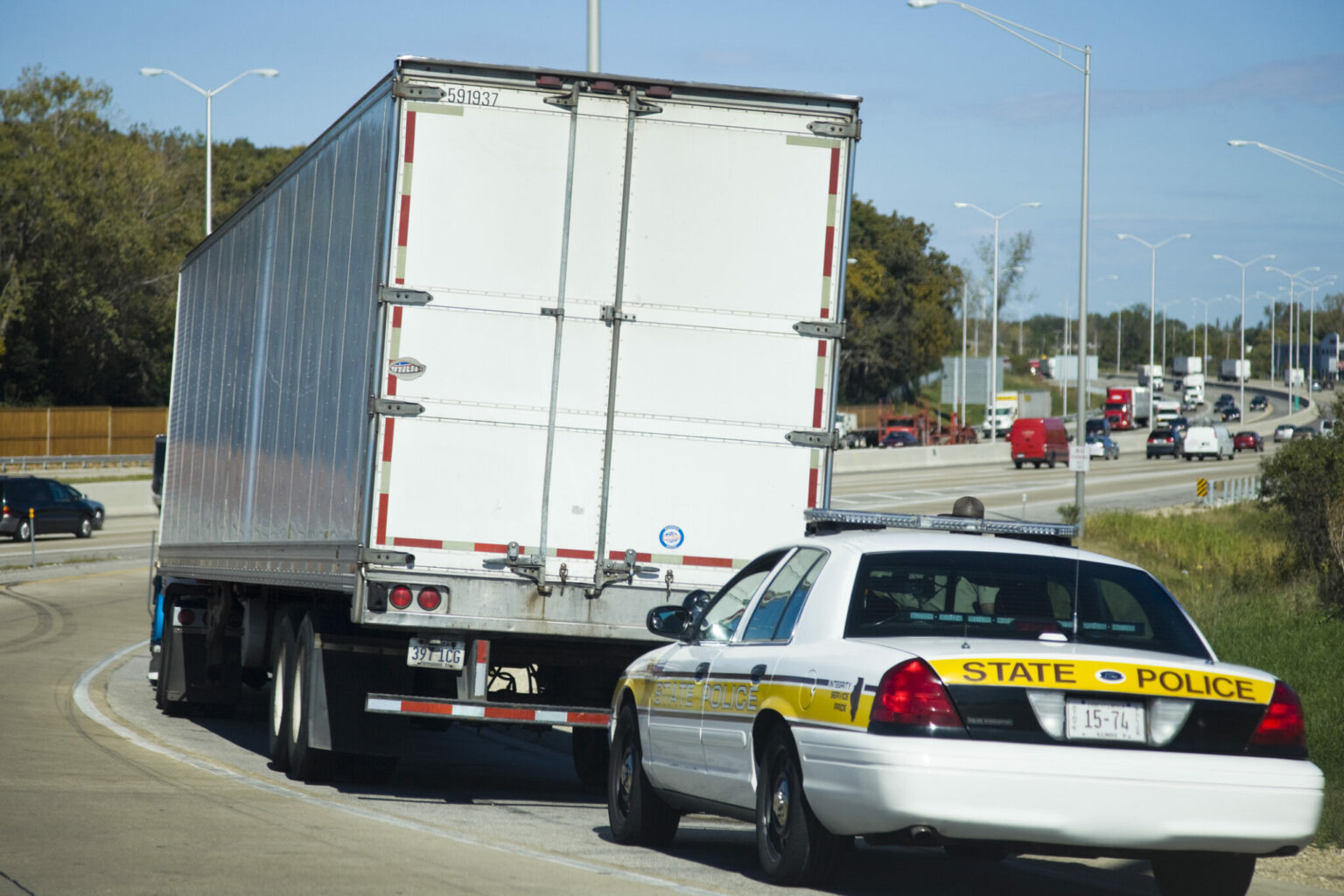 How Enhanced U.S. Enforcement Rules May Shrink Truck Capacity More Than the ELD Mandate">

Shifts in Trucking Capacity: Beyond the ELD Mandate
The trucking landscape in the United States is undergoing profound changes—not just from technology like electronic logging devices (ELDs) but increasingly due to targeted enforcement policies addressing driver eligibility and compliance. These measures are predicted to restrict truck capacity even more than the original ELD implementation did back in 2017.
Enforcement Efforts and Their Scale
When the ELD mandate kicked off in December 2017, it winnowed truck capacity by roughly 3% to 5% as some drivers and equipment fell out of compliance. But current enforcement activities focusing on the non-domiciled commercial driver’s licenses (CDLs) och English proficiency standards are expected to exert a much larger influence.
The Department of Transportation’s emergency final rule from September limits the issuance and renewal of CDLs to non-citizens, potentially sidelining as many as 200,000 drivers. This action—aimed at ensuring only qualified individuals operate commercial vehicles—is unlike anything seen historically in trucking.
Industry Voices on the Impact
Executives from leading logistics and trucking firms highlight that this could be one of the biggest structural changes to truckload supply since deregulation decades ago. Some acknowledge that tighter capacity is already becoming visible, although economic uncertainties like fluctuating interest rates and global trade tensions are also playing their part.
- Drew Wilkerson, RXO Inc.: Calls it “one of the largest structural changes” in truckload supply.
- David Parker, Covenant Logistics Group: Notes unprecedented enforcement focus and is optimistic about industry evolution despite near-term challenges.
- Derek Leathers, Werner Enterprises: Describes enforcement measures as potentially having a greater effect than the ELD rollout.
- Mark Rourke, Schneider: Observes tangible impacts in certain operations and expects acceleration in enforcement effects.
Regional Variability and the Rise of Enforcement Hotspots
Areas such as Oklahoma, Texas, California, and Chicago have seen consistent roadside enforcement blitzes. For example, an Oklahoma multi-day operation resulted in over 120 arrests for immigration violations, including numerous CDL holders. These activities contribute to rising spot freight rates, signaling tightening truck capacity, especially in these hubs.
Operational Adjustments by Carriers
Some carriers reportedly are reconsidering route lengths and operational strategies to reduce time lost at enforcement checkpoints. The increased scrutiny also extends to insurance underwriters who are more closely evaluating fleet risks under the emerging environment.
Additional Compliance Challenges Affecting Trucking
Cabotage Regulations
To enforce regulations preventing cross-border drivers from carrying loads inside the U.S. without returning promptly, the trucking industry must now navigate stricter cabotage rules. Drivers who enter the U.S. with cargo from Canada or Mexico must depart without handling additional interior deliveries, tightening operational flexibility.
Tackling ELD Fraudulent Practices
Authorities have raised concerns about drivers and fleets circumventing hours-of-service rules by using multiple ELD accounts or even “ghost” drivers. Further actions are underway to phase out lower-end ELD devices and clamp down on violations, aiming to enhance road safety and data integrity.
Table: Comparison of Factors Reducing Truck Capacity
| Orsak | Estimated Impact on Capacity | Anteckningar |
|---|---|---|
| ELD Mandate Enforcement (2017) | 3% to 5% | Initial phase-out of non-compliant drivers/equipment |
| Non-Domiciled CDL Restrictions & English Proficiency | Potential removal of up to 200,000 drivers | Could surpass ELD impact; ongoing enforcement |
| Regional Immigration Enforcement Blitzes | Localized capacity contractions | Increased stops in Oklahoma, Texas, California, Chicago |
| Cabotage & ELD Fraud Crackdowns | Expected to tighten operational compliance | Reduces driver flexibility & fraudulent reporting |
What Does This Mean for Logistics?
The trucking sector is the backbone of freight delivery and supply chain operations. Shrinking truck capacity means tighter freight markets, potentially higher transportation rates, and increased competition for available transport. For logistics planners and freight forwarders, anticipating delivery delays or adjusting routing might become necessary strategies. This environment emphasizes the need for reliable and adaptable freight courier and distribution services able to manage regulatory complexities efficiently.
The Role of Platforms Like GetTransport.com
In a time of fluctuating capacity, using a versatile platform such as GetTransport.com can make a meaningful difference. By connecting users with global cargo transportation options—including office and home moves, bulky goods, vehicles, and furniture transport—the platform offers affordability and convenience. Whether planning a housemove or shipping pallets internationally, getting access to a broad network helps mitigate the impact of tighter market constraints.
Personal Experience Beats All
Even the most candid reviews and well-informed feedback fall short compared to firsthand experience. When it comes to securing cargo transportation, nothing beats testing the market for yourself. On GetTransport.com, shippers can order transport services worldwide at competitive, reasonable prices, putting control firmly in their hands. This transparency plus the range of choices ensures you get the best match for your sändning without wasted expenses or surprises. Don’t just take words to heart—explore the convenience, affordability, and reliability GetTransport.com offers. Boka din resa med GetTransport.com.
Outlook on Enforcement Impacts and Logistics Planning
While the tightening of truck driver eligibility and compliance enforcement may not cause dramatic disruption to global logistics on its own, these shifts are significant regionally and nationally. For GetTransport.com, staying updated on such developments is key to offering users current, dependable transport options amidst evolving regulations worldwide. Start planning your next cargo delivery with a partner that understands the terrain—secure and streamline your freight with GetTransport.com.
Conclusion: Navigating Tighter Trucking Capacity with Smarter Logistics
In summary, U.S. enforcement initiatives around non-domiciled CDLs and language requirements are poised to reshape truck capacity more than previous technology mandates like the ELD rollout. This creates ripples in the logistics chain, influencing shipment planning, freight costs, and delivery reliability. However, robust platforms like GetTransport.com help shippers adapt effortlessly—offering solutions for diverse freight, from bulky goods to international parcels, all while staying affordable and convenient. In a market where regulatory scrutiny intensifies, embracing flexible, reliable transport services ensures goods keep moving smoothly and efficiently, nurturing trust and stability in the freight journey.