


 Svenska
  English (UK)
  Русский
  العربية
  日本語
日本語  한국어
한국어  Magyar
  Türkçe
  Español
  Čeština
  Português
  Ελληνικά
  Suomi
Suomi  Nederlands
  Română
  Italiano
  Français
  Polski
  Українська
  Deutsch
  简体中文
简体中文  Slovenčina
 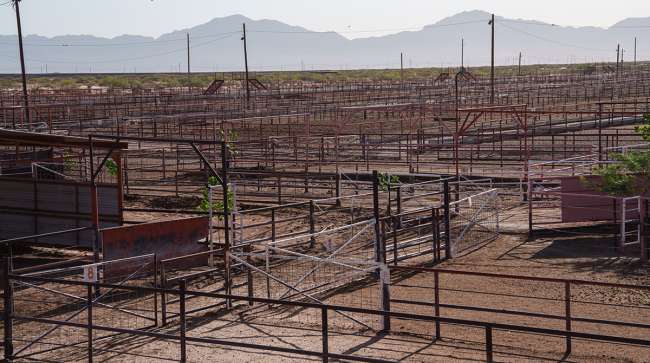 Hur USA:s minskning av boskapsbesättningar pressar bearbetningen av nötkött och marknadspriserna">

US Beef Plants Face Growing Challenges Amid Tightening Cattle Supply
The US beef industry is navigating turbulent times as the national cattle herd continues to shrink, sparking concerns of potential closures of processing plants and sustained high beef prices. This tightening supply chain stems from the smallest cattle numbers seen in over fifty years, unsettling both suppliers and consumers alike.
Declining Cattle Numbers and Plant Operations
Recent forecasts show cattle placements into US feedlots—the preparatory stage before slaughter—have dropped to October’s lowest on record and November’s levels are predicted to be the lowest since 2015. These consolidated animal numbers mean beef processors operate under immense pressure, with losses mounting due to insufficient supply relative to demand.
One notable example is Tyson Foods Inc., America’s largest meatpacker. It recently announced the closure of a Nebraska beef plant and a reduction to a single shift at its Texas facility, indicating significant operational scaling back in response to the supply crunch.
| Plant Location | Action Taken | Reason |
|---|---|---|
| Nebraska | Closure | Reduced cattle supply |
| Texas | Shift reduction to one | Supply shortage near Mexican border |
Regional Supply Pressures and Industry Outlook
Experts project that more than one major and several smaller regional beef plants may shutter within the next 18 months, primarily because of severed supply lines, especially in the South where Mexican cattle shipments usually supplement local herds. However, no region is immune to these challenges currently tightening across the board.
The Mexican Border Issue and Its Ripple Effects
The restrictions on live cattle imports from Mexico, tied to efforts to stop the deadly screwworm pest, exacerbate the American beef supply problem. This pest, notorious for its rapid lethality to cattle, has halted shipments since mid-2024, blocking a major source of live animals that are key to keeping prices down on American steak and other cuts.
While Brazilian beef imports have increased following the removal of tariffs to partially fill the supply gap, these account for a mere fraction of the total US beef supply and involve less desirable lean trimmings blended into ground beef rather than premium cuts.
This blockade has made the southern border a focal point for efforts to ease beef prices. Only resuming live cattle shipments from Mexico would offer a substantial lever to relieve the price crunch.
Measures and Advances Against Screwworm
US agricultural authorities are leading an aggressive containment campaign for the screwworm pest, with noteworthy progress but ongoing vigilance needed. The Food and Drug Administration recently approved two veterinary drugs to prevent and treat the infestation, signaling advances that may eventually enable reopening the border to live cattle.
Economic Impacts and Market Responses
With ranchers in states like Texas facing dwindling Mexican cattle stocks, feedlot operators and meat processing plants have been forced into competitive bidding wars to secure limited cattle supplies. This bidding inflates costs and tightens profit margins, directly influencing retail beef prices.
Industry insiders caution that while imports help, the fundamental solution lies in rebuilding the US cattle herd—a slow and inevitable process that must accompany trade adjustments for effective long-term price relief.
Supply Chain Pressures Summarized
- US cattle herds at a half-century low restrict feedlot placements.
- Mexican cattle shipment bans due to screwworm halt cross-border supply.
- Beef processors reduce operations or close plants amid supply shortages.
- Increased imports provide limited help, mostly lean beef parts.
- Price volatility and beef costs remain elevated, impacting consumers.
Logistics and Transport Considerations
These supply disruptions have ripple effects on logistics networks, freight handling, and distribution. Beef processing plants often rely on timely shipments of cattle and outbound deliveries of packaged meat. Plant closures or operational cuts change freight volumes and routes, impacting haulage planning and transporter utilization.
For logistics players, adjusting routes for fewer but potentially larger cargo loads, coordinating timely dispatch of meat products, and managing bulky shipments all become part of navigating this shifting landscape. Services like GetTransport.com can efficiently bridge these transport needs, offering reliable and economical solutions for moving cargo including live animals, pallets of meat products, and large shipments across regions.
Hur GetTransport.com passar in
Whether it’s office and home moving, vehicle transport, or handling bulky cargo like large freight shipments of meat products, GetTransport.com stands out for its global reach and competitive pricing. It simplifies complex logistics challenges through a versatile network connecting shippers with trusted and cost-effective transport providers.
Key Points Recap
| Utmaning | Effekt på logistik |
|---|---|
| Cattle supply tightens | Reduced livestock transport demand, but spikes cargo value |
| Plant closures/reduced shifts | Shifting freight volumes, re-routed distribution chains |
| Border shipment bans | Changes in cross-border cargo flows and customs handling |
| Price hikes | Increased value of shipments requiring secure, timely logistics |
Making Informed Choices in a Changing Market
It’s clear that while data and expert opinions provide valuable insight, nothing beats firsthand experience in the transport and logistics world. Platforms like GetTransport.com empower users to access the broadest selection of freight options at highly competitive prices globally, ensuring supply chain efficiency without breaking the bank.
From small parcels to full container loads, moving live animals to bulky meat shipments, this transparency and convenience mean logistics planners and businesses can dodge unexpected expenses or delays, making smarter decisions day in and day out. Book your Ride on GetTransport.com to experience hassle-free cargo shipments.
Industry Outlook and Final Thoughts
While the current beef industry challenges may not topple global logistics systems, their regional impacts carry weighty significance. Reduced cattle supplies and plant cutbacks shift freight dynamics and force quick adaptations in transport and distribution networks.
GetTransport.com stays tuned to such developments to keep pace with evolving logistics demands. Start planning your next delivery and secure your cargo with GetTransport.com.
Slutsats
The US beef industry’s shrinking cattle herds and border shipment bans are pushing meat processors to close plants or cut shifts while driving prices upward. These developments intensify logistics complexities, as freight volumes fluctuate and routes evolve. Importantly, the sector’s recovery hinges on rebuilding cattle supplies and reopening crucial trade channels.
Platforms like GetTransport.com offer essential solutions amid these shifts—connecting users with reliable, affordable transport options worldwide, supporting efficient freight, shipment, and relocation needs across the board. By streamlining logistics, GetTransport.com helps manage the delivery, shipping, and haulage challenges posed by the evolving landscape of the beef industry.