


 Svenska
  English (UK)
  Русский
  العربية
  日本語
日本語  한국어
한국어  Magyar
  Türkçe
  Español
  Čeština
  Português
  Ελληνικά
  Suomi
Suomi  Nederlands
  Română
  Italiano
  Français
  Polski
  Українська
  Deutsch
  简体中文
简体中文  Slovenčina
  Wabash National Projects Tough Q4 as Freight Industry Faces Headwinds">

Challenging Final Quarter Forecasted by Wabash National
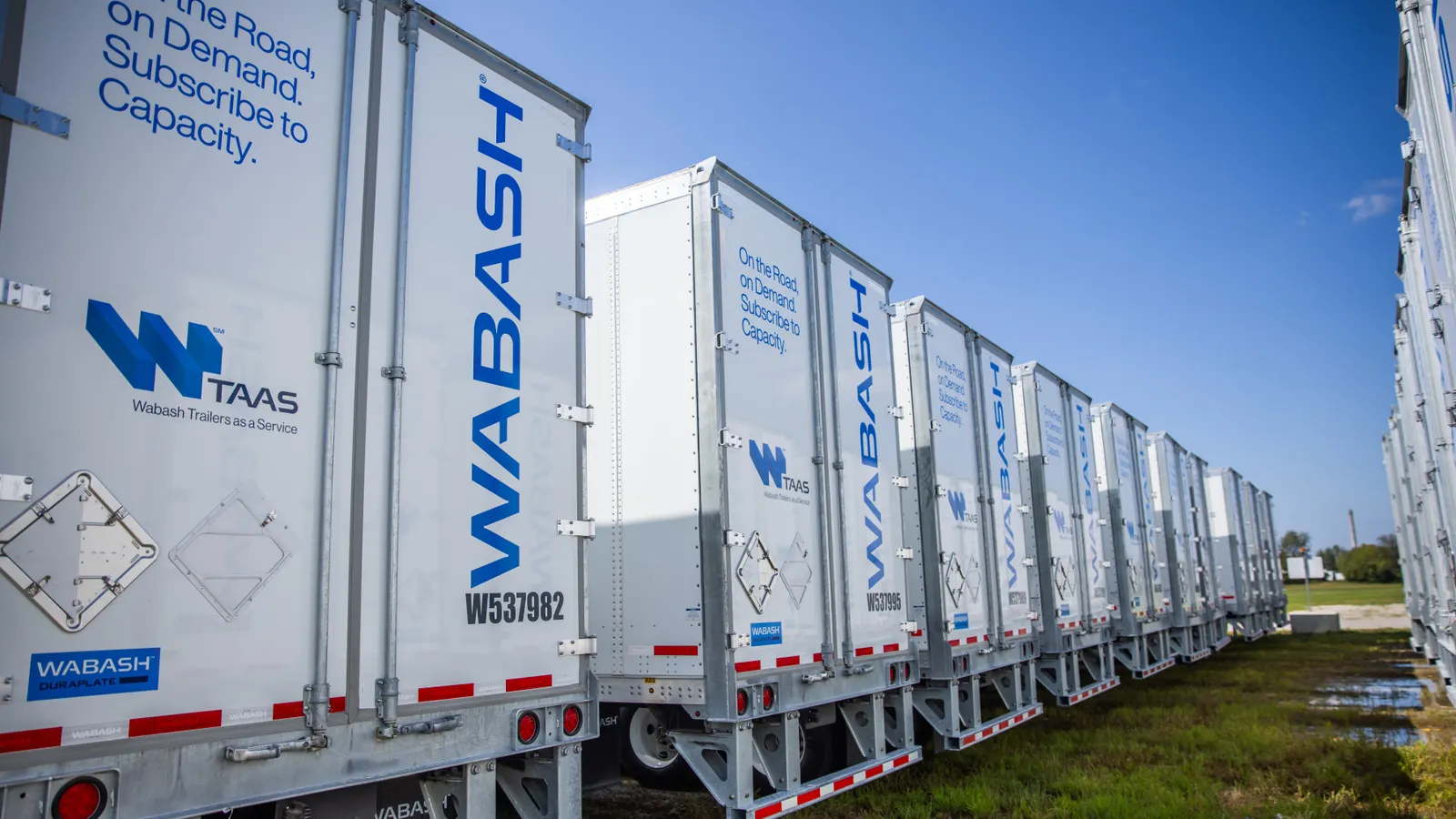
The trailer manufacturing sector is telling a cautious tale for the last quarter of the year. Wabash National, a key player in making truck bodies and trailers, foresees a significant slowdown, marking the fourth quarter as the toughest period of the year.
Declining Demand Reflects Broader Freight Market Issues
Amid a softening freight market, Wabash National’s latest financial briefing revealed downward revisions to its annual revenue outlook, now projected at $1.5 billion. Shipments are set to decline, with the company expecting around 2,000 units in Q4 after delivering approximately 3,000 units in Q3.
The CEO, Brent Yeagy, described the situation during the earnings call as a “soft demand deepening” and reiterated a focus on internal controls like cost discipline and enhancing distribution efficiency. Despite these efforts, income and operating margins are anticipated to hit their lowest ebb for the year.
Effects of Economic Factors on Truck Body Sector
The crux of this downturn lies in large fleet customers scaling back orders. These adjustments are influenced by a sluggish housing market and wavering consumer confidence, both pivotal indicators that tend to ripple through the freight and logistics ecosystem. A hesitant housing sector means less freight volume, directly impacting trailer demand.
| Kvartal | Estimated Shipments | Revenue (Million $) |
|---|---|---|
| Q3 2025 | ~3,000 units | 381.6 |
| Q4 2025 (Projected) | ~2,000 units | Expected decline |
| Full Year 2025 | N/A | 1,500 (revised forecast) |
Tariff Policies and Long-Term Strategic Outlook
Interestingly, Wabash National is also navigating the impact of tariffs under Section 232 policies. While the company anticipates limited immediate impact, it acknowledges about $1 million in tariff-related costs so far, primarily from supplier price increases. They expect these costs to rise through 2026 and plan adjustments in pricing accordingly.
What works in Wabash’s favor is its supply chain’s heavy reliance on domestic sources—95% of their supply comes from within the United States. This domestic sourcing positions them advantageously compared to competitors more exposed to international tariffs.
Corporate Strategy Amid Uncertain Demand
- Kostnadskontroll: Maintaining strict cost discipline to buffer revenue pressures.
- Market share: Aggressively pursuing share gains even in a shrinking market.
- Service enhancement: Strengthening service and distribution channels to be ready for future demand rebounds.
Logistics and Freight Industry Implications
As trailer manufacturers like Wabash tighten production due to softer orders, ripple effects emerge throughout freight transportation and logistics sectors. Reduced trailer output signals lower freight volumes, which impacts shipping schedules, dispatch frequency, and cargo capacity planning.
For logistics providers and freight forwarders, these shifts are akin to navigating a changing tide. Balancing supply and demand means careful forecasting and flexibility, particularly when handling bulky shipments or managing timely deliveries across complex supply chains.
The Importance of Strategic Transport Solutions
Platforms such as GetTransport.com become particularly critical in such a market environment. By offering competitive, global freight transport options—from office and home moves to large cargo including vehicles and furniture—GetTransport.com helps businesses optimize their supply chain and delivery logistics cost-effectively.
Industry Challenges and an Eye on Recovery
Despite the Q4 slump, the market holds a sliver of hope. Wabash’s leadership anticipates that some tariff impacts will become more tangible in the latter part of 2026, potentially reshaping competition and pricing strategies in the trailer segment. This uncertainty means companies must be nimble, guarding against volatility while priming themselves for recovery phases.
Viktiga slutsatser
- Current freight market softness is driving trailer shipment declines.
- Domestic sourcing is a strength against international tariff pressures.
- Cost management, market share focus, and service readiness are pivotal strategies.
- Supply chain and logistics firms need to adapt to fluctuating freight demand.
Making Decisions in an Unpredictable Freight Market
While market analyses and expert reviews shine some light on what’s ahead—for instance, Wabash National’s financial outlook and strategic stance—nothing beats firsthand experience. Using services that offer transparent pricing and extensive options can empower freight managers to make savvy moves even amid uncertainty.
GetTransport.com offers exactly that: a platform where global cargo transport can be booked with clarity, affordability, and flexibility. Whether it’s a simple parcel or a bulky vehicle shipment, users can tailor solutions to their needs without breaking the bank or getting caught off guard.
Boka din resa på GetTransport.com
Looking Ahead: Logistics Impact and Outlook
Globally, these shipment slowdowns might seem minor in the grand scheme of logistics, given the size and diversity of freight flows worldwide. However, for companies like Wabash and their customers, staying adaptive to such market dynamics is crucial. GetTransport.com remains committed to tracking these developments and supporting the freight community with reliable, affordable transport options.
Börja planera din nästa leverans och säkra din last med GetTransport.com.
Sammanfattning
Wabash National’s projection of a weakened Q4 reflecting a deepening freight market chill highlights the interconnectedness of manufacturing, shipping, and logistics. Challenges like reduced demand, tariff implications, and supplier costs band together to create a complex operating environment.
For the logistics industry, these trends underline the importance of cost-efficient, versatile cargo transport solutions. GetTransport.com’s robust platform addresses these needs, offering global shipment and haulage services that handle everything from parcels and pallets to bulky and specialized freight. By simplifying freight dispatch and forwarding choices, the platform acts as a valuable partner in navigating today’s freight challenges efficiently and reliably.