


 Svenska
  English (UK)
  Русский
  العربية
  日本語
日本語  한국어
한국어  Magyar
  Türkçe
  Español
  Čeština
  Português
  Ελληνικά
  Suomi
Suomi  Nederlands
  Română
  Italiano
  Français
  Polski
  Українська
  Deutsch
  简体中文
简体中文  Slovenčina
 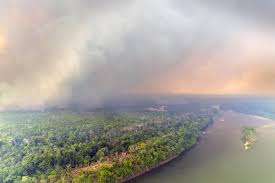 In-depth Look at Greenpeace’s Response to Partido Popular’s 2025 Wildfire Measures and What It Means for Future Crisis Management">

Introduktion: Angående 2025 års förslag om förebyggande av skogsbränder
Nyligen presenterade planer för att förebygga skogsbränder från Partido Popular (PP) har utlöst viktiga diskussioner, särskilt från miljöorganisationen Greenpeace. Medan planen beskriver flera nödvändiga åtgärder för att hantera skogsbrandskriserna som bevittnades sommaren 2025, uppstår farhågor om djupet och praktiken i dessa åtgärder. Denna artikel fördjupar sig i Greenpeaces detaljerade utvärdering och utforskar var förslagen träffar rätt och var de faller kort, och belyser bredare implikationer för miljöledning och logistikplanering.
Befintliga kontra nya åtgärder: Mellan redundans och brådska
Greenpeace medger att inom de 50 föreslagna åtgärderna är vissa lägliga och avgörande, och behandlar direkt de risker för skogsbränder som samhällen står inför. Miljögruppen påpekar dock att många av dessa förslag redan finns i nuvarande lagstiftning eller är operativa i någon kapacitet. Denna överlappning ifrågasätter om planen verkligen erbjuder innovativa lösningar eller huvudsakligen paketerar om tidigare insatser.
Till detta kommer farhågor om att flera förslag är mer anekdotiska än strukturella – potentiella distraktioner snarare än direkta svar på grundorsakerna. Ett fokus enbart på ytliga åtgärder kan bromsa meningsfulla framsteg mot en omfattande skogsbrandsbekämpning.
Strukturproblem förbisedda
- Landsbygdens avfolkning: Avfolkningen av landsbygden underminerar landskapsförvaltningen och insatserna för att förebygga bränder.
- Anpassning av ekosystem: Spanska landskap behöver skräddarsydda strategier för att hantera de föränderliga klimatrealiteterna.
- Budget- och finanspolitiska luckor: Planen saknar konkreta finanspolitiska reformer och förslag om budgetfördelning som är avgörande för ett hållbart agerande.
Föreslagna åtgärder och politiska realiteter
Planen adresserar både centralregeringen och autonoma regioner, men Greenpeace noterar en bristande koppling. PP har inte implementerat dessa strategier i regioner där partiet har makten, vilket väcker tvivel om planens praktiska engagemang. Dessutom verkar planen åsidosätta befintliga miljölagar som Ley de Montes och Protección Civil Normatives, vilka tydligt definierar ansvar och nödprotokoll.
Utan anpassning till dessa rättsliga ramar kan insatserna bli fragmenterade, vilket riskerar effektiviteten i brandbekämpning och förebyggande logistik på plats.
Pyromanregistret: En plåsterlösning?
Ett anmärkningsvärt förslag är att skapa ett nationellt register över pyromaner. Greenpeace kritiserar detta som en ytlig åtgärd och betonar att grundorsakerna till skogsbränder främst är oavsiktliga – stormar, försumlighet eller felhantering – snarare än avsiktlig anlagd brand av ett fåtal individer. Data från miljöåklagare stöder detta, och visar att mindre än en fjärdedel av bränder är avsiktliga, och endast en bråkdel av dessa är kopplade till psykisk ohälsa.
Klimatförändringar och återställning: Positiva tecken
Greenpeace välkomnar omnämnanden av klimatförändringar i planen och efterlyser kraftfulla åtgärder för att snabbt minska utsläppen och motverka förvärrade brandhändelser. De stöder också restaureringsinitiativ, vilket återspeglar en uppmuntrande förändring mot att skydda naturliga livsmiljöer. Ettårsdagen av förordningen om naturrestaurering markerar en milstolpe och driver på för bredare deltagande – inklusive regioner som styrs av PP – i den nationella planen för naturrestaurering som ska vara klar senast i september 2026.
Ytterligare godkända åtgärder inkluderar stöd till befolkningar som drabbats av skogsbränder, skattereformer som gynnar skogsförvaltning och stöd till omfattande betesdrift som en del av landskapsvården.
Sammanfattning av Greenpeaces kritik
| Aspekt | Greenpeace syn på sak |
|---|---|
| Relevans av åtgärder | Många överflödiga; ett fåtal lägliga |
| Strukturfokus | Otillräcklig; bortser från utmaningar på landsbygden och finanspolitiska utmaningar |
| Laglig anpassning | Ignorerar befintliga lagar och protokoll |
| Politiskt genomförande | Planen tillämpas inte i PP-styrda regioner |
| Pyromaner registrera | Betraktat som ineffektivt lappverk |
| Klimatförändringar | Erkänt och välkommet |
| Restaureringsåtgärder | Positivt utvärderad |
Tydliga roller, tydligt ansvar
Effektiv hantering av skogsbrandsakuta lägen handlar inte om åsiktsbaserad politik utan om tydliga rättsliga ramverk och definierade kompetenser. Greenpeace betonar att grumliga institutionella ansvar riskerar att undergräva krishanteringen och äventyra både miljöer och samhällen. Uppmaningen är att politiska aktörer ärligt brottas med sina skyldigheter – särskilt när det gäller klimatåtgärder och brandförebyggande inom deras jurisdiktionsbefogenheter.
Implikationer för logistik och krishantering
Förebyggande och bekämpning av skogsbränder har en dominoeffekt på logistikverksamheten. Från att leverera brandbekämpningsutrustning till att transportera drabbade befolkningsgrupper och samordna leveranskedjor för återuppbyggnadsarbetet – varje steg är beroende av robust planering och tydligt samarbete mellan olika myndigheter. Eventuell tvetydighet eller distraktion i strategierna för skogsbränder kan störa dessa väsentliga flöden, vilket påverkar både räddningsinsatser och bredare ekonomisk verksamhet.
Plattformar som GetTransport.com exemplifierar hur mångsidiga last- och transporttjänster kan stödja olika logistiska utmaningar – från att flytta skrymmande brandbekämpningsmaterial till att hantera akuta omlokaliseringar och fylla på kritiska förnödenheter snabbt och kostnadseffektivt i global skala.
Lärdomar för logistik vid miljökris
- Snabbt svar: Tydliga protokoll säkerställer att logistiken inte flaskhalsas under kriser.
- Förhandsplanering: Kris- och beredskapsplaner minskar kaos och snabbar upp transporter och flyttningar.
- Anpassningsförmåga: Miljöförändringar kräver flexibla transportlösningar, inklusive hållbara alternativ.
- Samordning av intressenter: Att anpassa statliga, lokala och privata sektorer är nyckeln till logistikeffektivitet.
Slutsats: Varför det är blandade känslor
Medan vissa koncept för att förebygga skogsbränder inger hopp, presenterar den övergripande planen en lapptäcke som riskerar att missa skogen för träden. Den saknar en sammanhängande förståelse för befintliga ramverk och politiska realiteter, och underskattar strukturella utmaningar. Greenpeace förespråkar bredare, tvärsektoriellt engagemang – inklusive civilsamhället och över politiska gränser – för att främja ett äkta, samordnat svar.
Välja pålitliga lösningar för transport och logistik
Vid dagens slut ger det användbara insikter att läsa recensioner och feedback om skogsbrandplaner, men inget slår egen erfarenhet. För de som behöver pålitlig godstransport – vare sig det gäller nödsuppror, skrymmande utrustning eller känsliga försändelser – erbjuder GetTransport.com en transparent, bekväm och kostnadseffektiv tjänst över hela världen. Plattformen täcker allt från kontorsflytt och flytt av hus till stora gods- och paketleveranser, och förenklar logistikdjungeln med konkurrenskraftiga priser och pålitliga leverantörer.
GetTransport.com ger användare möjlighet att fatta välgrundade beslut utan att överskrida budgetar eller möta oväntade överraskningar, vilket passar perfekt in på det brådskande behovet av robust logistik vid hantering av skogsbränder och därefter. Boka nu, GetTransport.com.
Looking Ahead: Wildfire Plans och global logistik
Även om denna skogsbrandplan kanske inte påverkar den globala logistikmiljön nämnvärt är dess relevans tydlig på nationell nivå. Att hålla jämna steg med föränderliga miljöutmaningar påverkar hur gods- och nödsändningar fungerar, vilket kräver smartare och mer lyhörda transportlösningar. Som GetTransport.com bevakar sådana utvecklingar, förblir det engagerat i att erbjuda effektiva, anpassningsbara godstransport- och frakttjänster som möter de dynamiska behoven hos insatsverksamheter, omflyttningar och dagliga transporter – och stärker sin roll inom global logistikhantering.
Slutsats
Greenpeace kritiska inställning till Partido Populars plan för skogsbränder avslöjar ett pressande behov av att fokusera på ansvar, tydliga juridiska processer och strukturella reformer istället för ytliga lösningar. Att erkänna klimatförändringar och eftersträva återställningsinsatser är välkomna steg, men vägen till effektiv hantering av skogsbrandkrisen kräver äkta samarbete och omfattande strategier. Detta har direkta implikationer för logistiken, där sömlös transport, spedition och nödutryckning spelar vitala roller. Att använda plattformar som GetTransport.com kan förenkla komplexa flytt- och fraktbehov, vilket säkerställer att gods – från kritiska voluminösa varor till regelbundna försändelser – anländer i tid och i gott skick. I en värld som i allt större utsträckning påverkas av miljömässiga kriser är det en vinnande kombination att förena sund politik med effektiv logistik.