


 Svenska
  English (UK)
  Русский
  العربية
  日本語
日本語  한국어
한국어  Magyar
  Türkçe
  Español
  Čeština
  Português
  Ελληνικά
  Suomi
Suomi  Nederlands
  Română
  Italiano
  Français
  Polski
  Українська
  Deutsch
  简体中文
简体中文  Slovenčina
  ESG Regulations and EU-UK Trade – A New Sustainability Era">

Start now by building a single, defined data model for ESG disclosures. This framework will make reporting transparent and directly comparable across EU and UK regimes, while ensuring you face regulators with a clear terminology and a defined level. Depending on company size or sector, the model could map CSRD demands to UK-aligned expectations and offer a shared means to disclose non-financial data across borders.
EU’s Corporate Sustainability Reporting Directive (CSRD) rolls out in 2024–25 and affects several thousand enterprises, scaling to around 50,000 entities when including subsidiaries. In parallel, UK regulations move toward TCFD-aligned disclosures for listed issuers, with phased-in requirements through 2025. This alignment directly affects EU-UK trade, as suppliers must disclose sustainability data for key routes and products, including tobacco and other regulated goods, with lessons from the pandemic shaping data governance.
To implement, set a supplier ESG scorecard with three tiers: required, recommended, and optional. Establish common terminology across EU-UK contracts and ensure data is auditable at a defined level. For high-risk sectors such as tobacco or agri-products, require annual disclosures with independent assurance, depending on data availability. Offer training to suppliers to collect data and enable them to disclose key metrics on emissions, due diligence, and labor rights.
Develop cross-border data templates and a trillium of interlocking standards for climate, governance, and human rights. This creates a transparent data flow and lowers the cost of compliance. Firms that adopt these templates likely reduce audit fatigue and improve supplier performance across EU-UK channels.
Several practical steps remain: appoint a governance lead, create a CSRD-UK crosswalk, invest in data lineage, and prioritize high-risk suppliers. This approach helps you disclose reliably and capture value through better procurement, risk management, and access to capital, while positioning your business as a trusted partner for customers and regulators.
ESG Regulations and EU-UK Trade: Practical Outline
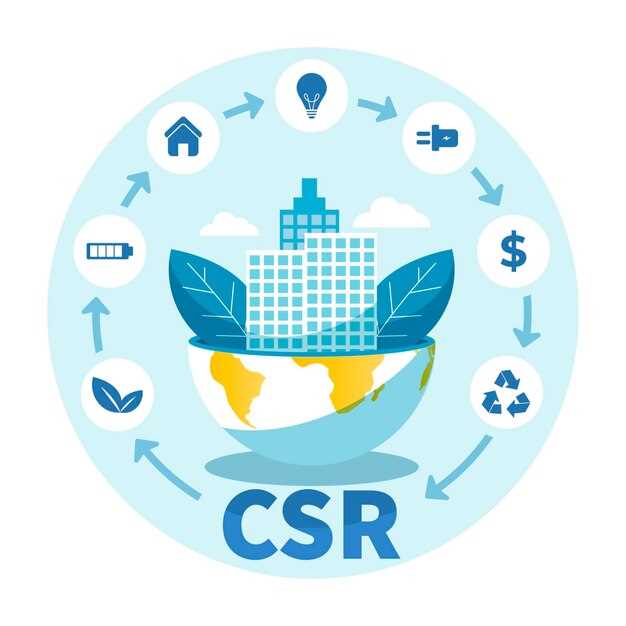
Adopt a unified ESG reporting framework across EU and UK trading partners to reduce duplication and improve comparability. Build this on trusted relationships between regulators, financial institutions, and corporate issuers, and implement cs3d as the core data model to standardize inputs. This approach supports ongoing compliance, ensuring timely decisions and verified results.
Obligations located in EU and UK regimes are mapped to a single system that covers energy, climate, governance, and supply-chain metrics. Responsibilities in both jurisdictions are aligned to a common taxonomy using cs3d templates, reducing fragmentation and enabling efficient reporting by issuers and funds, with implemented templates feeding the core data model.
Actions for firms: engage regulators and market participants, reshaping product strategies, and updating disclosure processes. Assign clear owners, allocate sufficient resources, and use established templates to ensure timely, accurate reporting. This standard will mean faster, clearer disclosures for investors and stronger regulatory oversight.
Develop a straightforward governance model: a dedicated ESG data steward, cross-functional teams, and external audit checks. Build a robust data system for ESG inputs, with cross-functional governance using cs3d to harmonize fields, verify data quality, and trace results back to concrete actions, such as energy efficiency investments or emissions reductions. It also helps address underrepresented sectors by surfacing gaps.
Funds and stocks move toward transparent sustainability projects, with quarterly impact reports. Track performance against benchmarks, require due diligence on suppliers, and disclose alignment with ESG goals to demonstrate real-world effects of capital allocation and corporate actions.
Implementation timeline and governance: regulators publish templates and guidance in predictable cycles, while firms deploy phased rollout across functions. Use cs3d during data collection; ensure sufficient data coverage; monitor results and adjust guidance with stakeholder feedback to drive continuous improvement.
In summary, a practical ESG regime for EU-UK trade rests on robust relationships, rigorous reporting, and continuous engagement with regulators. By leveraging a common system and cs3d, stakeholders can drive reshaping of practices, meet obligations, and deliver tangible energy and environmental improvements.
Which EU CSRD and UK sustainability rules apply to my business?
Start with scope: CSRD applies to large European companies and all listed firms. Thresholds are: more than 250 employees, turnover above €40 million, or assets over €20 million. If your group hits two thresholds or has EU subsidiaries, CSRD reporting is implemented. The united kingdom operates a parallel regime: SDR for large UK-registered entities and listed issuers, plus SECR for energy and emissions data. For foreign groups with EU footprints, CSRD reporting may be enacted through the parent company, so align governance now. This framework has been enacted over the years to raise European markets standards. Know your thresholds and begin data collection now.
What must be reported under CSRD: governance structures, strategy, risk management, and metrics with targets. The ESRS standards apply; use double materiality to assess both financial risks and impacts on people and ecosystems. The European review process will be conducted by national regulators as they implement the rules; about 50,000 EU entities will be subject to reporting, shaping market expectations across markets. You will need data on greenhouse gas emissions, energy use, water, waste, supply chain risks, and social topics such as employee development. This requires cross-functional collaboration and sustained data quality.
UK specifics: SDR disclosures apply to large UK-registered entities and listed issuers; the PRA and FCA oversee enforcement. SECR covers energy use and emissions data and related costs. Timelines align with annual report cycles, with regulator guidance indicating when disclosures are due. If you have foreign subsidiaries, plan to align with CSRD expectations to avoid gaps in reporting and to facilitate group consolidation.
Cross-border and market interplay: CSRD interacts with UK SDR; foreign operations must report in line with CSRD through the parent company when applicable. Multinationals face rising expectations across the united states, californias, and other markets, so harmonize data collection to avoid duplicative processes. Build relationships with regulators in all jurisdictions; clear, consistent disclosures protect investor trust and partner relationships.
Practical steps: run a CSRD/SDR readiness review, appoint a cross-functional CSRD lead, and map data across finance, sustainability, and supply chain. Implement controls to capture GHG emissions, energy, water, and waste, and assess forest-risk commodities in your supply chain. Engage senior management to ensure compensation aligns with sustainability targets. Start with a two-year plan and build a data lake that covers the last two fiscal years to support trend analysis and future benchmarking. Pandemic disruptions highlight the need for resilient data processes and the ability to report on time.
Next steps: monitor enacted regulations and guidance, seek expert advice when you cover multiple jurisdictions, and review your processes annually. Maintain friendly relations with regulators and ensure your disclosures protect stakeholders and markets; use an external review or assurance where it makes sense. This approach helps you know where to focus, align with european standards, and maintain compliance across foreign subsidiaries and domestic operations.
Which products, suppliers, and value chains trigger reporting obligations?
Start with a product-category risk map and decide which items demand reporting obligations. In an instance, a product using minerals sourced from high-risk regions triggers disclosure of supply chain risks and due diligence efforts, even if the rest of the line looks modest.
Identify high-risk product groups: deforestation-risk commodities (palm oil, soy, beef, timber), minerals (cobalt, tin, tungsten, tantalum), and key electronics components. Generally, these items trigger explicit disclosures about supply chain risks and governance expectations. greener product designs using sustainable materials can reduce the breadth of data you need to report, reducing the overall burden, though you still face upstream risks that require attention and reporting.
Engage suppliers early and decide which partners to include based on spend share and risk profile. Deciding which partners to include remains a core risk-management action for your procurement team. We engage top-tier and critical sub-suppliers; set clear expectations for data completeness and timeliness. Require data sharing through a standard template and ensure the clause in procurement contracts is enforced.
Map the full value chain from raw materials to finished goods. If a sub-supplier faces elevated risks within its operations, you must capture those risks and report them as part of the product’s overall risk profile. This approach aligns with the definition of material impacts and supports decision-making for risk mitigation.
Guidance from European institutions generally emphasizes due diligence across the chain; there, enforcement regimes vary by country. Expect clear guidance on thresholds, data quality, and sufficient traceability; implement controls prohibiting or mitigating human rights abuses and environmental harms. This reduces exposure and strengthens the integrity of your reporting program.
Implement practical steps: establish a data dictionary, set deadlines, and build a supplier questionnaire aligned to sustainability definitions. Track inventory stocks and source registers to verify traceability, with a focus on data sufficiency and accuracy. This process should be iterative, improving with each reporting cycle and reducing gaps in coverage.
Be mindful of policy shifts and historical precedents that affect trade flows. The smoot-hawley era reminds us that protectionist swings can reshape supply networks and reporting expectations; maintain flexibility in your governance so you can adapt quickly while keeping compliance enforced across markets.
What data should we collect and how to standardize it across the chain?
Adopt a uniform core data model across the supply chain and require standardized reporting through procurement contracts. Start with voluntary disclosure and introduced statutes by regulators to widen coverage worldwide and across tiers.
Define a core data set and capture fields such as supplier name, location, tier, product category, acquisition channel, volume, unit, time period, and ESG indicators across environmental, social, and governance aspects. Include data on supply relationships, pricing terms, delivery performance, and risk flags. Label data provenance and audit trails to support transparent reporting and protect sensitive details.
Create a uniform data dictionary and standard units; align with worldwide guidance and industry guides to ensure comparability. Build public dashboards and reports so regulators, investors, and NGOs can view aggregated data, while keeping sensitive supplier information protected.
Set governance controls across finance, procurement, and sustainability teams. Require suppliers to provide data for acquisition tracking and performance; establish data-sharing rules that prohibit misreporting and protect privacy. This framework that prioritizes data integrity supports compliance and investor confidence.
Roll out in phases: pilot with several key suppliers worldwide, then expand to more regions and product areas. Target NYSE-listed companies and other publicly listed firms where disclosure can demand market attention. Involve several organizations and industry associations to refine the uniform model and update guides and templates for ongoing use; ensure robust feedback loops with regulators and public authorities.
What is the timeline for compliance and phased deadlines?
Start with a gap analysis now: identify data owners across operating units, map supply chains at the local level in this country, and make a two‑year rollout plan aligned with CSRD expectations and UK practice; this approach helps identify responsibilities, build a robust data chain, and disclose material information to agencies and investors.
-
Phase 1 – Prep and governance (0–12 months)
- Form a cross‑functional ESG steering group and appoint a major entity as data owner to ensure clear accountability.
- Define material topics using a qualitative approach and align them with reporting requirements from agencies; establish a standard for data quality and frequency.
- Identifiera alla datakällor på samtliga verksamhetsställen och leverantörer, inklusive pensionsdata, för att få en fullständig bild av resultatet.
- Utveckla rutiner för datainsamling, skapa ett centraliserat register och fastställ en frekvens för interna granskningar för att stödja efterlevnad av relaterade standarder.
- Lansera ett program för medveten inköp som flaggar potentiellt oetiska metoder och uppförandekoder för leverantörer i leveranskedjan.
-
Fas 2 – Datainsamling och åtgärder för konstaterade brister (12–24 månader)
- Fyll repor med kvantitativa mätetal (utsläpp, energi, vatten, avfall) och kvalitativa indikatorer (policyeffektivitet, styrning, riskkontroller).
- Kartlägg leveranskedjan för att identifiera kritiska leverantörer; använd leverantörsformulär och en utbytesprocess för att förbättrad datakvalitet och konsekvens.
- Samordna dig med nationella tillsynsmyndigheter och organ för att säkerställa att rapporteringsförväntningar förstås och att tidslinjerna är genomförbara.
- Engagera viktiga intressenter, inklusive pensionsfonder, för att harmonisera datadelning och stärka trovärdigheten i rapporteringen.
-
Fas 3 – Offenbarande, validering och utbyte (24–36 månader)
- Publicera den första omfattande rapporten som täcker definierat omfång; inkludera både operativa mätetal och tillämpliga kvalitativa insikter.
- Ordna tredjepartsvalidering eller försäkran för att stärka trovärdigheten hos investerare och andra intressenter.
- Redovisa styrningsprocesser, riskhanteringsmetoder och datakällor; säkerställ anpassning till ESRS eller motsvarande nationella riktlinjer och förbered för utbyte på offentliga plattformar.
- Se över riktlinjer för datastyrning och uppdatera kontroller för att återspegla nya regulatoriska förväntningar och relaterade bästa praxis.
-
Fas 4 – Kontinuerlig förbättring och fortlöpande anpassning (36+ månader)
- Etablera en rullande förbättringsplan med årliga måljusteringar; övervaka uppdateringar från tillsynsmyndigheter och anpassa programmen på samtliga driftsställen.
- Skala datainsamling till fler länder eller dotterbolag; utöka omfattningen efter behov i takt med ändrade bestämmelser och marknadsförväntningar.
- Upprätthåll aktivt engagemang med agenturer, leverantörer och aktieägare för att upprätthålla transparens och medvetna, etiska metoder i hela leveranskedjan.
Vilka är kostnadskonsekvenserna och budgeteringsstegen för företag av olika storlekar?

Inför en fast ESG-budgetregel från första året: avsätt en definierad procentandel av de årliga driftskostnaderna för ESG-efterlevnad och förfina den i takt med att ni växer. För små företag, sikta på cirka 0,5-1,0 %; medelstora företag kan planera 1,0-1,5 %; stora organisationer avsätter vanligtvis 0,8-1,5 % av driftskostnaderna, med vetskapen om att den absoluta kostnaden ökar med skalan, men andelen kan stabiliseras med mogna processer.
Kostnadssammansättningen omfattar policyer, datainfrastruktur, utbildning, leverantörs due diligence, revisioner och rapportering. Avsätt en separat rad för styrningsarbete, mätning och extern kvalitetssäkring. För tydlig dokumentation över områden och kedjor där data flödar, så att du kan publicera en transparent bild för investerare och tillsynsmyndigheter.
Planera med en horisont på flera år snarare än månader: fastställ en budgetcykel på 3–5 år som anpassas till policyuppdateringar och handelsregler. Skapa en rullande prognos som tar hänsyn till policyförändringar, systemuppgraderingar och potentiella ändringar i rapporteringsfrekvensen, så att du ligger steget före efterlevnadskraven istället för att jaga dem.
I multinationella sammanhang, anpassa efter enhetliga policystandarder över länder samtidigt som lokala regler respekteras. Vid verksamhet i Maryland eller andra jurisdiktioner, kartlägg landsspecifika klausuler till den allmänna regeluppsättningen och integrera gränsöverskridande rapporteringskrav i budgetprocessen. Samordna med marknadspartners för att säkerställa att relationerna förblir stabila och rapporteringen konsekvent, även när nya klausuler dyker upp i leverantörskontrakt.
Vissa kostnader kan kännas bundna till årliga cykler eller räkenskapsårets slut; spåra dem per år och anpassa planen efter större policyuppdateringar. Använd en modulbaserad budgeteringsmetod så att du snabbt kan omfördela medel till områden med stor påverkan, som datakvalitet, bedömning av föroreningsrisker och motståndskraft i leveranskedjan, utan att störa viktiga styrningsfunktioner.
| Företagsstorlek | <th Typisk budgetandel Viktiga kostnadsområden Budgetsteg|||
|---|---|---|---|
| Small | 0,5–1,0 % av driftskostnaderna | Styrningspolicyer, grundläggande datainsamling, leverantörs due diligence, begränsade revisioner | 1) identifiera politikområden; 2) kartlägga kostnader per område; 3) fastställa frekvens; 4) publicera årlig rapport |
| Medium | 1.0-1.5 % | Utökade datasystem, utbildning, leverantörsrisk, rutinmässiga revisioner | 1) bredda försäkringsskyddet; 2) specificera kostnadssammansättningen; 3) implementera kvartalsvis rapportering; 4) inkludera kontraktsklausuler |
| Large | 0.8-1.5 % | Fullständig styrning, avancerad data, tredjepartsförsäkran, gränsöverskridande rapportering | 1) anpassa till enhetliga standarder, 2) hantera CAATSA-risk (caatsa) där relevant, 3) publicera en omfattande rapport, 4) verkställa rapporteringsklausuler |
Mellan länder, ekar en generell ansats som knyter policykostnader till en enhetlig plan och publicerar resultat till en bred publik. Detta stärker marknadsrelationer och stöder lika tillgång till möjligheter samtidigt som det behåller ett tydligt fokus på prestanda och påverkan.