


 Türkçe
  English (UK)
  Русский
  العربية
  日本語
日本語  한국어
한국어  Magyar
  Español
  Čeština
  Svenska
  Português
  Ελληνικά
  Suomi
Suomi  Nederlands
  Română
  Italiano
  Français
  Polski
  Українська
  Deutsch
  简体中文
简体中文  Slovenčina
 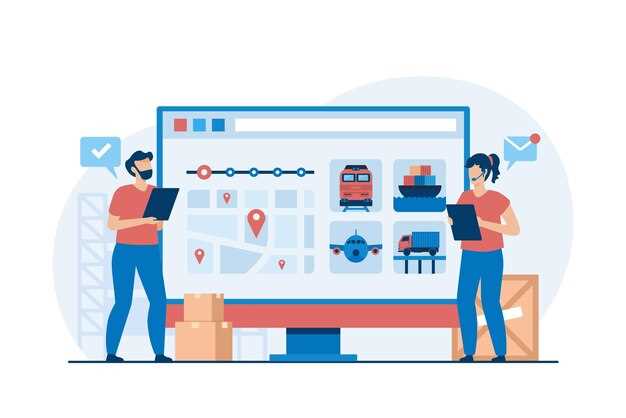 4 Key Features Every Last-Mile Delivery Management Software Must Have">

Choosing real-time routing with traffic-aware dispatch will immediately reduce miles and idle time, boosting productivity. In a case with a 150-vehicle fleet, this approach minimizes idle time by 15–20% and cuts miles by 12–18% in the first three months; after that, benefits compound as routes stabilize. That would take a controlled pilot on a subset of routes, then expand across the network into the broader program to confirm the gains already recorded in similar operations.
End-to-end visibility built on recorded events, GPS traces, and live ETA updates lets you meet windows and reduces inquiries. In case studies, brands report a 20–30% drop in missed ETAs and a 25–40% decrease in status inquiries after adopting this layer. When choosing among systems, look for API access, event-level data, and a portable feed that can be integrated into dashboards; theyre ready to inform daily decisions and, also, to guide the brand and its fleet.
Streamlined driver communications and handoff confirmations keep operations aligned. In-vehicle prompts, automated alerts, and in-app messaging reduce misroutes; theyre able to acknowledge handoffs in real time, and all confirmations are recorded for the brand’s audit trail. This clarity minimizes dispatch errors and improves final-mile execution.
Analytics and benchmarking turn data into actionable steps. A concise guide to choosing a platform should include metrics for final cost per stop, traffic-adjusted time, and productivity per driver. With ready dashboards and available benchmarks, teams can meet targets faster, see the benefits in weeks rather than quarters, and turn insights into everyday improvements. Already, many brands have seen cost per stop fall 8–15% after three months; further, you can extend gains by standardizing handoffs and regional routing.
Ultimate Guide to Last-Mile Delivery Management Software

Start with a centralized system that directly connects with brands and carriers, enabling real-time routing, status updates, and automated hand-offs.
Focus on three core capabilities: integration with the supply network, dynamic routing, and end-to-end visibility. These drive measurable improvements in on-time performance and satisfaction.
Through utilization of live data, minimize non-delivery events by optimizing carrier mix, modes, and cargo assignments. Align main objectives with demand patterns to balance workloads before peak periods.
Prioritize drivers and touchpoints: equip mobile apps for status updates, proof of pickup, and cargo scans. This reduces friction and improves satisfaction across partners, especially for brands that operate long-haul routes and multiple vehicles.
Adopt a staged approach: start with essential integrations, then expand to full routing and logistics dashboards. This ensures the rise in efficiency is steady and the risk of disruption is low.
Test each feature against real-world scenarios: on-time, non-delivery, and delivered-confirmation workflows to validate value.
Before selecting a solution, compare integration breadth: ensure support for order orchestration, shipping labels, and non-delivery risk modules. A system that provides delivered status updates, proactive alerts, and proactive exception handling helps minimize non-delivery and boosts customer satisfaction. Already used by several top brands, this approach makes operations more resilient and fully scalable, especially when demand spikes.
| Aspect | Practice | Etki |
|---|---|---|
| Carrier integration | APIs with main carriers, including long-haul fleets and regional brands | reduces manual touch by 40-50% |
| Yönlendirme optimizasyonu | dynamic algorithms that consider demand, routes, cargo, and modes | boosts on-time share by 15-20% |
| Visibility & alerts | live tracking, non-delivery alerts, and delivered confirmations | improves customer satisfaction by 10-25% |
| Driver app | offline maps, touchless scans, status updates to customers and ops | reduces dwell time and speeds hand-offs |
Define Destination Types: Residential, Commercial, Locker, and Pickup Points
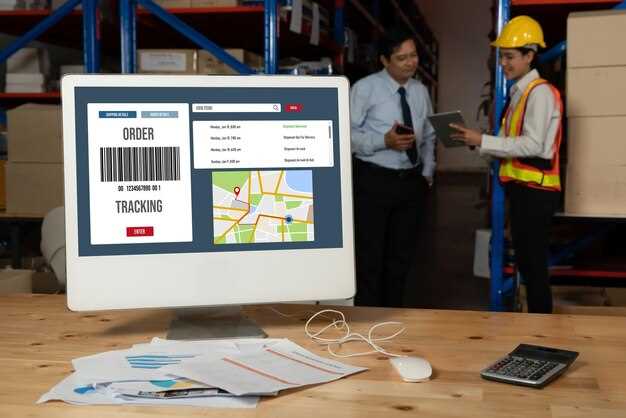
Classify destinations into four types–Residential, Commercial, Locker, and Pickup Points–and encode this taxonomy into routing rules to increase accuracy and reduce trips.
Residential: verified addresses, gate codes, and preferred contact; Commercial: dock width, access doors, pickup windows; Locker: locker ID, release code, and pickup window; Pickup Point: store hours, location ID, and pickup verification.
This categorization shapes routing decisions, improves dock utilization, and minimize manual touch by drivers. The impacts include shorter trips, fewer exceptions, and a lower rate of wrong-handovers.
Below are practical steps to implement, using integration with providers and addressing data quality: map customer addresses to the four types, enrich with fields per type, set up rules that push locker or pickup points to collect in specific windows, and notify drivers accordingly.
Once configured, run a demo to validate assumptions; compare shipping times and report on key metrics such as on-time share, average handover time, and failed handovers. The reason for improvements becomes clear after reviewing the data, and done with the validation, thats the moment to scale.
Integration with courier providers and store networks adds coverage and speeds up onboarding; this approach works with three product families: lockers, stores, and home addresses. These products cover lockers, pickup storefronts, and residential routes. A case demonstrates how a retailer reduced handover attempts by 25% after adopting destination-type routing.
After deployment, track below KPIs: increase in pickup rates at lockers, decrease in failed drop-offs, and a unified report that shows which routes, spots, and providers drive results. That data helps you find optimization opportunities and tailor plans for different regions.
Ultimately, a well-defined destination map reduces problems, lowers manual interventions, and keeps people satisfied while keeping products moving through lanes with minimal waits.
Destination-Type Aware Routing: Apply Rules and Constraints by Destination
Configure rules by destination category and let the routing engine adjust automatically to real-time conditions. This ensures each route meets constraints that match the recipient, whether a store, campus, or residential cluster. Start with a demo in a small group of stores, then, once results are verified, push adoption across the network.
Define destination types such as stores, campuses, residential neighborhoods, and remote depots. For each category, set time windows, access rules, vehicle type, and staging points. Each constraint influences the route decision and helps prevent problems at the point of handoff, addressing needs of managers and customers alike.
Cost control comes from selecting the great-fit fleet for each task and avoiding trips that cause long idle times. By splitting destinations, you can lift cargo visibility, shorten distance, and allow more stops within shift room, reducing the amount of fuel burned. This is especially valuable for last-mile tasks.
Measure success with number-based dashboards: number of non-delivery events, on-time points, and cargo incidents by destination type. A solid rule set should improve route efficiency. Managers can adjust constraints after patterns emerge, and adoption grows as teams see tangible results. This isnt a one-off tweak, it requires ongoing calibration.
For consumers, the impact is tangible: fewer problems, tighter handoff windows, and clearer status updates theyre confident in. Stores report higher throughput, while the fleet gains predictable workloads. After rollout, run a post-demo review to capture lessons learned and refine rules for the network.
Implementation steps: build a destination-type library with attributes, feed accurate demand signals, and maintain room in the route library for exceptions. This sandbox demo allows rapid learning, monitor cost and service level, and ensure the approach scales as demand rises. The result is a repeatable process that improves adoption among managers who want more control over each shipment.
Real-Time Tracking and ETA with Time Windows for Each Destination
Begin with a live-tracking layer that shows vehicle position, ETA, and a time window for each destination. This includes per-stop targets that absorb snarls and vary with traffic, weather, and load. Set default windows for urban routes at 10-15 minutes and 15-25 minutes for longer legs, then adjust based on observed performance.
todays operations require well-informed signals; the platform should show ETA shifts as conditions change and carry a clear history of deviations. The system ensures a likely arrival range for each stop, so planners can find and keep customers and dispatchers informed. This approach gives dispatchers a look at performance trends and provides them with concrete signals to act on.
Dynamic routing and time windows are pillars of an efficient operation; they are the main anchors that set expectations and prevent brittle schedules. These windows should be dynamic and adjustable based on real-time feeds from traffic, weather, and driver pace, with each destination assigned a suitable window that balances reliability and carrier availability.
Historical data shows that aligning windows with actual routes raises on-time share, and yields a reliable ETA band within a tight margin. Start with a baseline of 15 days of corridor data and test windows of 5, 10, or 15 minutes depending on distance and curb rules. In urban markets, aim for 85-92 percent of arrivals within the chosen window, and use wider slots for peak periods to protect overall reliability.
Electric fleets and bicycle-based operations are very suitable for dense urban zones, where e-commerce flows often demand near-doorstep time. Time windows help ensure carriers can carry shipments without excessive idle time while keeping end customers satisfied. While these options are available, maintain charging schedules, bike checks, and routine vehicle health checks to avoid delays during high-pressure periods.
Implementation steps start with defining time-window templates, then integrate telematics and a mapping engine that feeds live ETAs. Run a pilot in a single district to find practical defaults, then scale. Main tasks include setting per-stop windows, enabling automatic re-dispatch if ETA drifts beyond window, and notifying customers with accurate status updates. These measures ensure high adherence and reduce manual interventions.
The payoff is measurable: higher on-time rates, lower customer inquiries, and less pressure on drivers. Available dashboards reveal per-route performance, highlight snarls, and guide continuous improvement. Attention to per-destination windows would raise service quality and lower risk during peak periods.
Delivery Proof, Exceptions, and Compliance by Destination Type
Bir varış noktası türüne duyarlı bir kanıt akışı uygulayın: teslimatta dokunma onayı ve otomatik kanıt kaydı, ardından her varış noktası türü için erişilebilir bir gösterge paneline yönlendirin. Bu yaklaşım doğruluğu artırır, yorumlama için olanak miktarını azaltır ve denetimlerde zamandan tasarruf sağlar.
- Kentsel varış yerleri
Kentsel rotalar çok noktalı bir dokunma kaydını gerektirir: bir kapı fotoğrafı, bir zaman damgası ve GPS koordinatları, teslimat anında otomatik olarak yakalanmalıdır. Doğru etkileşimi sağlamak için hızlı, isteğe bağlı bir alıcı onayı ekleyin. Kanıtlar, deneyimin vardiyalar arasında tutarlı olmasını sağlamak için gösterge panelinde kaydedilir ve depolanır. Uygulamada, bu, sorunları ölçülebilir bir oranda azaltır ve devir süresini hızlandırır, raporlar daha hızlı kapanış süreleri ve yoğun koridorlar için daha az anlaşmazlık olduğunu göstermektedir.
- Suburban yollar
Kanıt, bir fotoğraf, zaman damgası ve erişim yöntemi notu (concierge, interkom veya kod) ile kaldırım veya lobide elden teslimatı desteklemelidir. Otomatik senkronizasyon verileri doğru ve erişilebilir tutar ve sistem herhangi bir tutarsızlığı anında işaretlemelidir. Bu kurulum seyahat süresinden tasarruf sağlar, ilk denemede başarıyı artırır ve aynı gün daha yüksek tamamlama oranları sağlar.
- Kırsal ve uzak bölgeler
Çevrimdışı yetenekli yakalama şarttır: bağlantı zayıfken dokunuş, zaman damgası ve konumu yakalayın, ardından sinyal mevcut olduğunda otomatik olarak senkronize edin. Kaydedilen kanıt, bir düşüş tamamlanmazsa daha hızlı kurtarmaları sağlayan filo genelindeki gösterge paneline eklenir. Hava durumuyla ilgili gecikmeler için özel işlem gerekebilir, ancak temel kanıt tutarlı ve izlenebilir kalır.
- Konutlu çok kiracılı binalar
Fotoğraflar, kapı ödevleri ve erişim kontrollerinin (interkom, bina kodu veya danışma) bir kombinasyonunu kullanın. Kanıtın otomatik olarak kaydedildiğinden ve belirli bir birime bağlı olduğundan emin olun; bu, hesap verebilirliği artırır ve yanlış teslimat için yer bırakır. Bu yaklaşım, oda oda netliği ve alıcılara daha sorunsuz bir deneyim sağlar.
İstisnalar ve hedef türe göre yükseltme
- Yaygın nedenler
Erişim yok, adres uyuşmazlığı, alıcı müsait değil, güvenlik beklemesi veya kurye güvenlik durdurması. Her olay, beraberindeki kanıtla (fotoğraf, zaman damgası ve konum verileri) birlikte açık, kodlanmış bir not almalı ve filo amiri tarafından görünürlük için gösterge panelinde yansıtılmalıdır.
- İşleme ve yeniden denemeler
Bir istisna oluştuğunda, otomatik bir yeniden deneme penceresi oluşturun ve ilgili sürücü çiftini bilgilendirin. Sebebi günlüğe kaydedin, kanıtı ekleyin ve alternatif bırakma noktaları veya zaman pencereleri önerin. Bu uygulama, tekrarlayan gezileri önler ve genel verimliliği artırır.
- Compliance checks
Hedef kurallara (gizlilik, erişim denetimleri ve kayıt standartları) karşı her istisnayı gözden geçirin. Yüz bulanıklığı ve veri minimizasyonunun gerektiğinde uygulandığından ve saklama sürelerinin politikayla uyumlu olduğundan emin olun. Rapor, her durumu kapsayarak çözüm veya tekrarın yol açtığı faktörleri vurgulamalıdır.
Hedef türüne göre uyumluluk: veri ve yönetişim
- Kentsel
Merkezi raporlama, doğruluk kontrolleri, dokunmaya dayanıklı kapsama ve her damla için kanıt zincirlerini içerir. Sürdürülebilirlik hedeflerini desteklemek ve gösterge panelindeki dağınıklığı en aza indirmek için kısa saklama süreleri koruyun.
- Suburban
Kanıt paketleri adrese, birime ve erişim yöntemine göre aranabilir olmalıdır. Erişilebilirlik hususları (kapı genişliği, rampa erişimi ve zamanlama kısıtlamaları) her durumda belgelenmeli, böylece hem sakinler hem de emlak yöneticileri için genel deneyimi iyileştirmelidir.
- Kırsal ve uzak
Çevrimiçi olduğunuzda otomatik senkronizasyonla kanıtları çevrimdışı olarak güvenli bir şekilde saklayın. Herhangi bir boşluğu açıklamak için bağlantı sınırlamaları ve hava durumuyla ilgili faktörler hakkında notlar dahil edin. Bu yaklaşım, veri kümesinin eksiksiz ve denetimler ve sürdürülebilirlik raporlaması için faydalı olmasını sağlar.
- Konut kompleksleri
Her bir olaya birim düzeyindeki tanımlayıcıları ve danışmanlık kayıtlarını ekleyin. Veri erişiminin yetkili rollerle sınırlandırıldığından ve işlem yapmanın gizlilik gereksinimleriyle uyumlu olduğundan emin olun. Sistem, filo genelinde sürekli iyileştirmeyi destekleyen şeffaf, denetlenebilir raporlar sunmalıdır.
Genel olarak, önerilen yaklaşım kanıtların doğru kalmasını, istisnaların eyleme geçirilebilir olmasını ve her devir teslimin dokunarak teyit edildiğinden ve yalnızca bir kez kaydedildiğinden emin olur. Paydaşları memnun edecek, sürdürülebilirlik hedeflerini destekleyecek ve her raporda açık, veri odaklı bilgiler sağlayacak daha hızlı ve daha sorumlu bir akış oluşturur.