


 Türkçe
  English (UK)
  Русский
  العربية
  日本語
日本語  한국어
한국어  Magyar
  Español
  Čeština
  Svenska
  Português
  Ελληνικά
  Suomi
Suomi  Nederlands
  Română
  Italiano
  Français
  Polski
  Українська
  Deutsch
  简体中文
简体中文  Slovenčina
 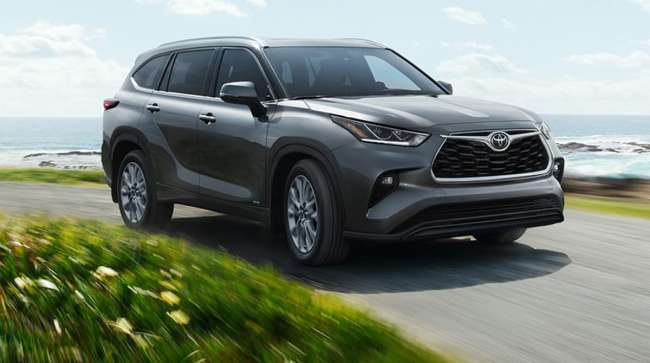 Toyota'nın 2026'dan İtibaren Camry, Highlander ve Tundra'yı ABD'den Japonya'ya Getirme Planı">

Bringing American-Made Vehicles to Japan
Starting in 2026, Toyota will import three notable models—Camry, Highlander, and Tundra—to the Japanese market, marking a strategic move to fortify U.S.-Japan trade ties. These vehicles are manufactured in Toyota’s American plants in Kentucky, Indiana, and Texas, respectively. The initiative reflects Toyota’s commitment to meet diverse customer preferences in Japan while playing a role in smoothing trade relations between the two countries.
Models and Origins
| Model | Araç Tipi | Manufacturing Location |
|---|---|---|
| Camry | Sedan | Kentucky |
| Highlander | SUV | Indiana |
| Tundra | Pickup Truck | Texas |
Market Realities: The Challenge of Size and Preferences in Japan
Despite the introduction, experts suggest demand for these larger vehicles will remain modest. Japanese roads and parking spaces are famously compact, shaping a market that favors smaller car models. The vehicles Toyota plans to import are larger than the typical Japanese standards. Moreover, the majority of cars in Japan are right-hand drive, whereas these American models are left-hand drive, posing both psychological and practical adoption hurdles for many buyers.
Industry analysts point out that unless Toyota designs right-hand drive versions of these models for Japan, their appeal will stay limited. Even then, the physical size constraints of vehicles in Japan will keep sales to a niche segment. This scenario will influence logistics planning markedly, requiring tailored shipping methods and storage solutions to handle these bulky imports efficiently.
Trade and Strategy: A Larger Picture
This strategy dovetails with ongoing trade discussions aimed at easing tariffs and fostering reciprocal openness between the U.S. and Japan. Toyota’s leadership has taken symbolic steps to underscore their support for these diplomatic efforts, including marketing campaigns featuring promotional events that highlight U.S. ties.
Toyota’s approach also aligns with a broader push encouraging Japan to open its market to American vehicle imports, a key element under the U.S.-Japan trade agreement. This move could encourage other Japanese automakers to follow suit, albeit cautiously given the market’s unique preferences.
Potential Implications for Logistics and Transport Planning
Introducing larger, foreign-built vehicles into Japan poses new challenges for logistics operators and freight planners. Shipping American-made Camrys, Highlanders, and Tundras to Japan means dealing with the complexities of international forwarding, customs clearance, and distribution tailored to models that differ in size and configuration from typical imports.
Moreover, establishing a seamless supply chain for these vehicles will require careful coordination across freight transport modes to ensure timely delivery to dealerships while managing storage space constraints in Japan’s urban centers. With the unique needs of bulky cargo and large items, specialized transport solutions will be essential—a gap platforms like GetTransport.com can efficiently fill.
Logistics Considerations at a Glance
- Managing international shipping routes for large, left-hand drive vehicles
- Ensuring compliance with Japan’s safety and regulatory standards for imported vehicles
- Adapting warehouse and storage capacities to accommodate bulky imports
- Coordinating last-mile delivery in space-restricted urban environments
- Potentially organizing customization or conversion to right-hand drive models for market suitability
The Road Ahead: Safety Rules and Market Adaptation
Efforts to accommodate these vehicles also involve negotiations about safety regulations with the Japanese government. Toyota is actively collaborating with authorities to explore how to modify regulations to ease the introduction of imports like these without compromising safety. These regulatory shifts could influence future logistics planning, especially regarding vehicle transport certifications and customs checks.
The broader market context includes attitudes toward vehicle size, where smaller “Kei” cars dominate due to their efficiency and maneuverability on Japan’s narrow roads. Nonetheless, Toyota’s plan demonstrates confidence in carving out a specialized market segment for larger American-made vehicles.
Why This Matters for Global Freight and Distribution
Changes like Toyota’s introduction of American-built cars to Japan ripple through global logistics networks. Each new trade development calls for logistics partners ready to optimize international shipping, freight forwarding, and distribution chains to meet these evolving demands. Movements of such bulky, specialized cargo require efficient planning and cost-effective transport solutions.
GetTransport.com stands out in this environment thanks to its ability to offer affordable, global cargo transportation options. Whether it’s moving office equipment, household items, vehicles, or heavy goods, the platform supports a wide range of shipping needs with flexibility and reliability. For businesses and individuals alike, such comprehensive freight services mean smoother operations when dealing with complex vehicle imports and other bulky shipments.
Key Highlights and Takeaways
- Toyota’s plan to bring American-made Camry, Highlander, and Tundra models to Japan is strategically linked to U.S.-Japan trade dynamics.
- The market for large vehicles in Japan remains limited due to road and space constraints and preference for right-hand drive cars.
- Effective logistics and transport strategies are crucial to support the import and distribution of these vehicles, influencing freight and haulage operations.
- Regulatory cooperation between Toyota and Japanese authorities seeks to adapt safety standards, potentially impacting cargo handling requirements.
- GetTransport.com offers versatile, cost-effective solutions that can simplify the shipment of such bulky and specialized cargo internationally.
Making Your Own Informed Choice
While expert analyses and reviews can shed light on the viability of importing American-made cars to Japan, nothing beats personal experience when it comes to making the final call. The extensive choices, affordability, and transparent pricing on platforms like GetTransport.com empower users to book cargo transportation confidently, without breaking the bank or facing unpleasant surprises. This ease of access to competitive shipping services is a real game changer for complex logistics challenges. GetTransport.com features a strong global network for shipping bulky, personal, or commercial items seamlessly.
GetTransport.com ile Yolculuğunuzu Rezerve Edin to experience hassle-free freight transport!
Son Düşünceler
The launch of American-built Toyota vehicles in Japan represents an intriguing interplay of trade strategy, consumer behavior, and logistics innovation. Despite the niche market for larger, left-hand drive vehicles, this development signals new demands on freight and shipping dynamics, from international transport to efficient last-mile delivery in tight urban spaces. For businesses and individuals navigating these complexities, tailored logistics solutions are invaluable.
GetTransport.com aligns perfectly with these needs, providing reliable and cost-efficient freight and shipment services globally. Whether managing container shipments, moving bulky cargo, or planning international relocations, GetTransport.com is an excellent partner for simplifying dispatch, distribution, and forwarding. In an ever-shifting global landscape, the platform helps keep transport efficient and transparent, ultimately making moves smoother for everyone involved.