


 Türkçe
  English (UK)
  Русский
  العربية
  日本語
日本語  한국어
한국어  Magyar
  Español
  Čeština
  Svenska
  Português
  Ελληνικά
  Suomi
Suomi  Nederlands
  Română
  Italiano
  Français
  Polski
  Українська
  Deutsch
  简体中文
简体中文  Slovenčina
 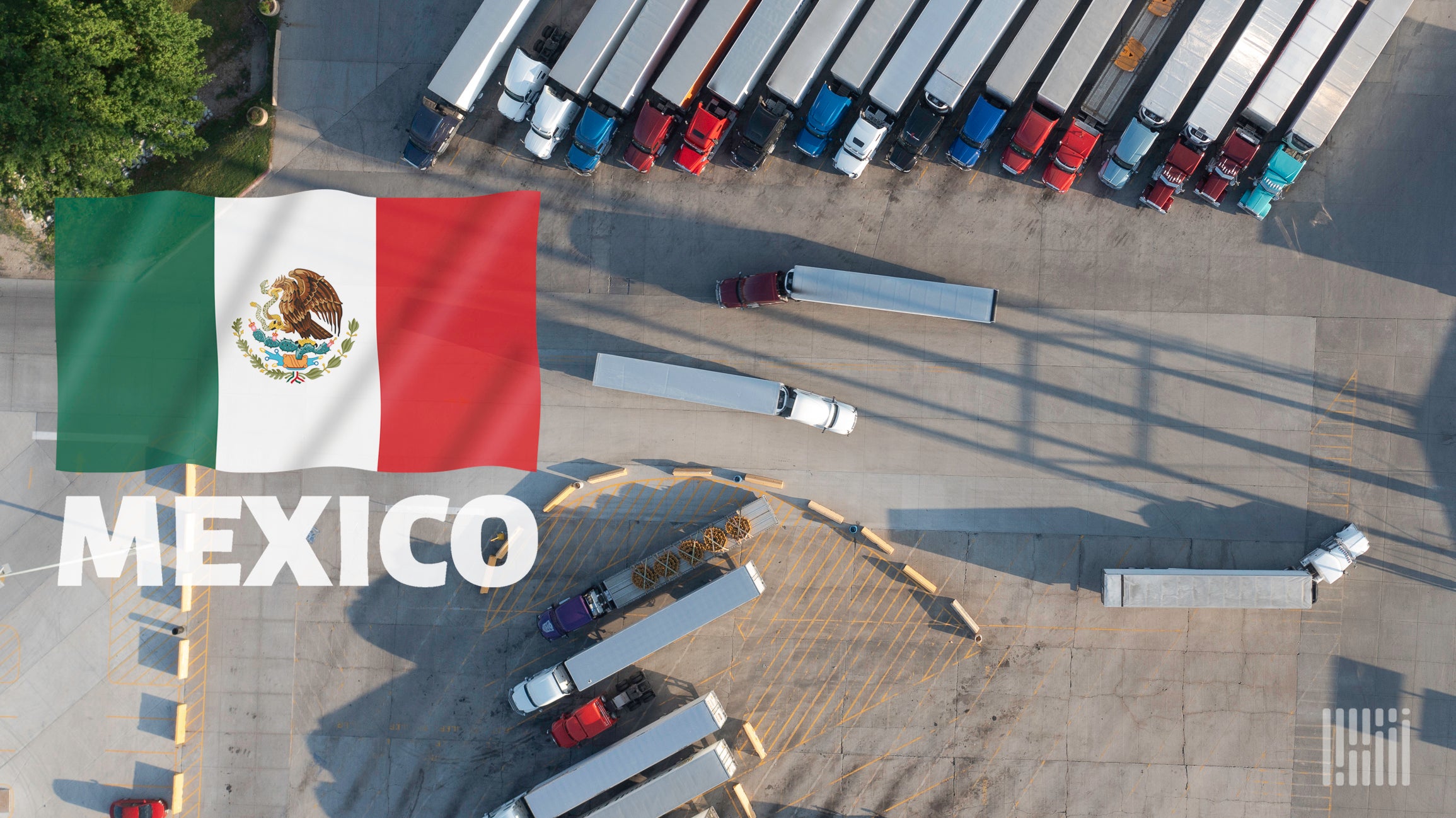 New $430M Intermodal Terminal in Cancún to Enhance Cargo Flows and Regional Connectivity">

A New Freight Hub in Cancún Integrates Key Rail Corridors
Construction is underway on a massive $430 million intermodal cargo terminal in Cancún, designed to be a crucial link between the burgeoning Mayan Train and the much-anticipated Interoceanic Corridor of the Isthmus of Tehuantepec (CIIT). Spanning 645 acres, this terminal aims to revolutionize freight transport in southeastern Mexico by facilitating smoother cargo flow across regions and even into the U.S. market.
Strategic Connections: Mayan Train and CIIT
The Mayan Train, a rail project threading through Chiapas, Tabasco, Campeche, Yucatán, and Quintana Roo, has primarily been targeted at boosting tourism. However, freight facilities like the new Cancún terminal provide an added dimension—stimulating economic growth by integrating passenger and cargo rail services.
The CIIT complements this by upgrading a 188-mile rail line across the narrowest stretch of Mexico at the Isthmus of Tehuantepec, connecting the Gulf of Mexico and the Pacific Ocean. Its grand vision is to serve as a maritime transport alternative to the Panama Canal, with a projected capacity to handle up to 1.4 million TEUs annually by 2026.
Infrastructure Designed for Efficiency and Capacity
The Cancún Multimodal Terminal is set to become the first of several cargo hubs planned along the Mayan Train. The project blueprint includes a comprehensive suite of 28 support facilities, ranging from public and bonded warehouses to hazardous waste storage, fuel stations, truck access points, and weigh stations. These amenities ensure the terminal is equipped to handle diverse cargo types effectively.
| Özellik | Açıklama |
|---|---|
| Site Alanı | 645 acres |
| Yatırım | $430 million |
| Support Facilities | 28, including warehouses, fuel stations, hazardous material storage |
| Bağlanabilirlik | Linked to Mayan Train and Interoceanic Corridor |
Bigger Picture: Regional Economic Growth and Cargo Diversification
Transportation hubs along the Mayan Train route, including Palenque, Poxilá, and Progreso, will complement Cancún’s growing terminal network. These nodes are expected to handle a broad variety of freight such as fuel, steel, cement, grains, perishables, and automobiles, facilitating an intermodal system unlike any the region has seen.
By linking the eastern and western coasts of Mexico, the CIIT will especially benefit U.S. shippers by offering faster, more scalable routes to East and West Coast markets via Mexico. The development is anticipated to become a logistical growth pole, attracting increased cargo volumes and boosting local economies along the corridor.
Environmental Considerations Stir Debate
While the economic and transport benefits are evident, the project has sparked environmental concerns. The clearing of 645 acres of rainforest for terminal construction threatens local biodiversity, with environmental groups warning about risks to native species. This echoes a familiar tension between infrastructure development and environmental preservation.
Environmental impact assessments have been conducted, and although the Mexican Secretariat of Environment and Natural Resources granted approval, the challenge remains to balance growth with ecological stewardship. The way forward involves monitoring, mitigation efforts, and perhaps innovative logistics solutions that minimize the environmental footprint.
Table: Benefits vs. Environmental Concerns
| Aspect | Positive Impact | Environmental Challenge |
|---|---|---|
| Ekonomik | Job creation and regional economic stimulation | Potential disruption to local ecosystems |
| Lojistik | Streamlined freight flows, alternative to traditional shipping routes | Land and resource use concerns |
| Altyapı | Modernized, large-scale cargo facilities with multiple services | Deforestation and habitat loss during construction |
Logistics Implications: A Game Changer for Freight Transport
This development signals a strategic shift in Mexico’s freight and cargo landscape. The integration of rail corridors with cutting-edge terminals like Cancún’s multimodal hub promises to enhance haulage efficiency, reduce transit times, and ease pressure on maritime chokepoints.
For global supply chains, this means new options for dispatching goods, especially bulky and containerized shipments, with potential cost savings and improved reliability. Service providers involved in international shipping, forwarding, and freight moving stand to gain from diversified routes and faster turnaround.
Logistics planners and cargo operators should watch closely as these developments mature, particularly in relation to cross-border trade facilitation and distribution networks spanning Mexico, the U.S., and beyond.
Key Freight Benefits Summary
- Alternative to Panama Canal shipping with rail options
- Increased inland port capabilities to handle large cargo volumes
- Intermodal connectivity reduces handling delays
- Improved routes for perishables, industrial materials, and vehicles
Experience Is King – Why Personal Insight Matters
Despite glowing reports and well-meaning reviews, there’s no substitute for firsthand experience when it comes to choosing logistic pathways and services. Getting cargo from point A to point B involves trust and reliability, and that’s where platforms like GetTransport.com shine. Offering affordable, global cargo transportation solutions, the platform opens up a world of options for those moving everything from household goods to bulky freight or vehicles.
Whether it’s office or home moves, freight delivery, or bulky item transport, users can tap into competitive offers with transparent pricing and a wide network of verified movers. This accessibility and convenience make it easier than ever to avoid surprises—no more wasted time, money, or headaches. So, when it comes to making your next shipment, why not compare real options and snag the best deal?
Aracınız için rezervasyon yapın GetTransport.com kolaylığı ve uygun fiyatı ilk elden deneyimlemek için.
Looking Ahead: Impact on Global Logistics and Local Markets
Cancún kargo terminali öncelikle Meksika ve komşu pazarlar içinde doğrudan etkileri olan bölgesel bir girişim olsa da, küresel lojistik üzerindeki yaygın etkisi dikkat çekici olabilir. Geleneksel deniz yollarına demiryolu tabanlı bir alternatif sunarak, büyük nakliye kanallarındaki tıkanıklığı azaltabilir ve göndericilere mal taşımak için daha fazla seçenek sağlayabilir.
Evde, bu tür projeler, tedarik zinciri dayanıklılığını ve esnekliğini şekillendirmede çoklu-modal ulaşım çözümlerini ve modern yük elleçleme tesislerini entegre etmenin artan önemini vurgulamaktadır.
At GetTransport.com, ulaşım dünyasındaki bu evrimlerin hızına yetişme konusunda bir bağlılık var. Bir sonraki teslimat veya nakil planlayan herkes için, lojistiğin dinamik doğasıyla uyumlu platformları kullanmak paha biçilmezdir.
Bir sonraki teslimatınızı planlamaya başlayın ve kargonuzu GetTransport.com.
Sonuç: Modernleştirilmiş Yük Ağlarına Cesur Bir Adım
Cancún intermodal terminali, $430 milyonluk bir yatırımla desteklenerek, Meksika’nın lojistik ve yük taşımacılığı ağının bir merkezi haline gelmeye hazırlanıyor; Mayan Treni ve Tehuantepec Boğazı Interoceanic Koridoru’nu birbirine bağlıyor. Geniş altyapısı ve stratejik konumuyla, ekonomik büyümeyi canlandırmayı, yük kapasitesini artırmayı ve mevcut nakliye kanallarına sağlam bir alternatif oluşturmayı vaat ediyor.
Ancak, proje zorluklardan yok değil, özellikle çevresel etkiler, kalkınma ve koruma arasındaki devam eden dengeyi vurguluyor. Uluslararası ve bölgesel nakliyeciler için bu yeni terminal, yük taşıma, çekme ve teslimat süreçlerini potansiyel olarak basitleştirebilir, aynı zamanda daha fazla güvenilirlik ve esneklik sunabilir.
Sonuç olarak, bu gibi hizmetler... GetTransport.com Bu gelişen manzaraya kusursuz bir şekilde entegre olarak, dünya çapındaki çeşitli nakliye ve taşıma ihtiyaçlarını karşılamak için güvenilir, uygun maliyetli ve şeffaf bir platform sunmaktadır.