


 Türkçe
  English (UK)
  Русский
  العربية
  日本語
日本語  한국어
한국어  Magyar
  Español
  Čeština
  Svenska
  Português
  Ελληνικά
  Suomi
Suomi  Nederlands
  Română
  Italiano
  Français
  Polski
  Українська
  Deutsch
  简体中文
简体中文  Slovenčina
 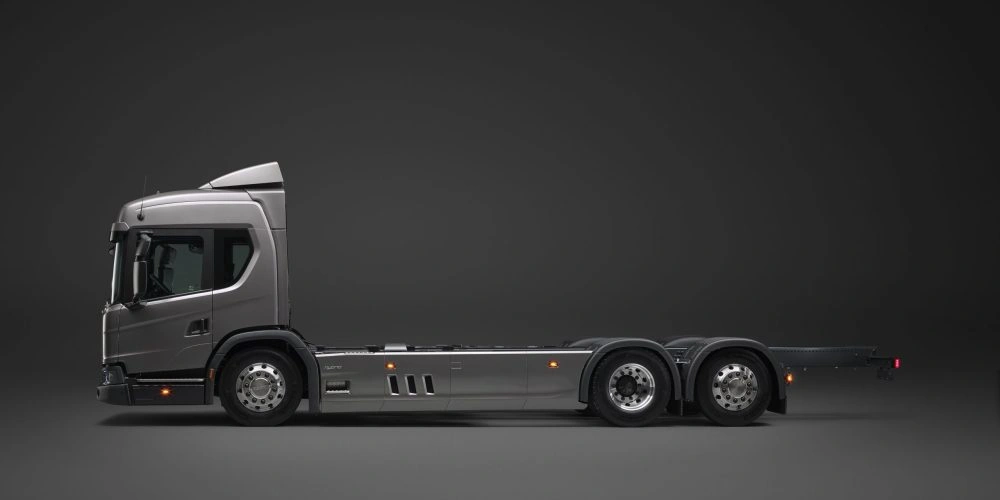 Hitachi ZeroCarbon’s Jim Donaldson on AI, batteries and the 2026 EV fleet transition">

This piece reveals expected shifts in electric vehicle (EV) fleet technology for 2026 and what they mean for transport and logistics.
Big Picture: What to expect from EV fleets in 2026
By 2026, fleet electrification will be less about single components and more about systems thinking. AI-driven optimisation, smarter charging, and the way fleets interact with the power grid will form a trio shaping outcomes for operators, energy managers and logistics planners alike. Jim Donaldson, Chief Technology Officer at Hitachi ZeroCarbon, highlights how data and automation will move from optional to essential.
AI moves from lab to depot
Expect an acceleration in practical applications of yapay zeka. Not the sci-fi stuff that takes over everything overnight, but real-world tools that shave charging windows, cut peak demand and stretch existing power capacity. In trials today, automated approaches can boost effective power capacity by roughly 20%, allowing faster charges and more vehicles without immediate infrastructure upgrades.
Why that matters for logistics
For anyone responsible for schedules, deliveries and vehicle availability, a 20% uplift in usable charging power translates into fewer delays, better route reliability and lower costs per kilometer. In short: more on-time deliveries and fewer surprise delays during peak seasons.
Battery asset management becomes a data problem
Battery chemistry will continue to improve, but performance will still vary by vehicle, route and operating pattern. Expect a shift toward using telemetry and analytics to manage the full life-cycle of packs — from in-service performance to second-life applications.
- Tahmini bakım: spotting degradation early to avoid breakdowns and extend warranty life.
- Second-life strategies: routing retired packs to stationary storage or low-demand tasks.
- Value recovery: maximising residual value through smart diagnostics and timing of replacements.
One depot manager once noted that knowing a battery’s state-of-health saved more money than any single tax credit — a small anecdote that underlines the practical, everyday value of data-driven battery care.
Fleets as flexible energy assets
As electrification ramps up, vehicle charging will stress grids in certain places while offering flexibility in others. The emerging vision is fleets that act as active energy participants, coordinating vehicles, chargers and on-site generation to absorb renewables, reduce peaks and respond to market signals.
| Today | 2026 Trend | Logistics Impact |
|---|---|---|
| Fixed charging schedules | Dynamic, price- and demand-responsive charging | Lower energy costs, improved vehicle readiness |
| Battery viewed as single-use asset | Lifecycle and second-use optimisation | Better asset recovery and lower lifecycle cost |
| Fleets as passive loads | Fleets integrated into grid services | New revenue streams and resilience benefits |
Real-time coordination platforms
Platforms that stitch together schedules, fleet telematics, chargers and grid signals will become critical. They will automate charging decisions and energy dispatch to maximise reliability at minimal cost — the sort of end-to-end orchestration logistics teams crave when dealing with tight SLAs and complex routing.
Operational implications for carriers and shippers
Operational leaders will need to re-think planning assumptions. Charging windows, depot design, energy procurement and route planning are now entwined. Here are practical steps to consider:
- Adopt data platforms that unify vehicle, charger and energy information.
- Invest in predictive battery health monitoring.
- Design depots as flexible energy hubs that can host on-site generation or storage.
- Run scenario planning that includes grid constraints and dynamic pricing.
- Train operations staff on energy-aware scheduling and demand response participation.
İzlenecek ölçütler
Keep an eye on a few key metrics: çalışma süresi, energy cost per km, charging cycle efficiency, pack state-of-health and grid flexibility value. Those KPIs will tell whether electrification is saving money or just shifting costs around.
Challenges and caveats
There are still bumps in the road: inconsistent charger standards, lagging grid upgrades in some regions, and uneven data maturity across fleets. Not every operator will hand control of charging to large language models — and they probably shouldn’t — but automated optimisation will be unavoidable if fleets want to scale without massive capital spending.
Policy and supplier coordination
Policy incentives, utility engagement and vendor interoperability will influence outcomes. Logistics teams should engage early with utilities and tech partners to avoid becoming reactive rather than proactive.
Key takeaways for logistics professionals
The main thread is clear: 2026 looks like the year when electronics and data knit together the EV experience into a coherent, optimisable system. That has practical consequences for delivery reliability, fleet economics and the design of depots and routes.
Önemli noktalar: AI-driven charging, smarter battery life-cycle management, fleets acting as flexible energy assets, and a big push toward platforms that coordinate vehicles, chargers and grid signals in real time. Still, no amount of desk research can replace rolling up your sleeves and testing systems in your own operations — real-world experience reveals the quirks that models miss. On GetTransport.com, you can order your cargo transportation at the best prices globally at reasonable prices. Provide a short forecast on how this news could impact the global logistics. Electrification and AI-driven optimisation will likely reduce operating costs and raise delivery reliability across many regions, though the impact will be uneven where grid or charging infrastructure is weak. However, it’s still relevant to us, as GetTransport.com aims to stay abreast of all developments and keep pace with the changing world. Start planning your next delivery and secure your cargo with GetTransport.com. Book your Ride GetTransport.com.com
In short: expect smarter charging, more nuanced battery management, and fleets beginning to offer grid services. These trends will influence freight scheduling, depot design and cost models for shipping, forwarding and haulage. For moving large items, arranging housemoves or managing international container flows, the move to data-led EV operations means more predictable delivery windows and better energy economics. GetTransport.com aligns well with these shifts by offering affordable, global cargo transportation solutions that handle office and home moves, parcel and pallet deliveries, bulky goods and vehicle transport—helping logistics teams convert strategy into dependable service.
To wrap up: electrification in 2026 will be driven by data, automation and integration. Fleet operators who adopt these approaches will see gains in reliability and cost control for cargo, freight, shipment and delivery operations. Whether you handle courier routes, distribution hubs, relocation or international shipping, planning for AI-enhanced charging and battery lifecycle management will pay dividends. For practical transport needs, GetTransport.com provides a straightforward, cost-effective way to manage your shipments and moving requirements—reliable solutions for parcel, pallet, container and bulky item transport worldwide.