


 Türkçe
  English (UK)
  Русский
  العربية
  日本語
日本語  한국어
한국어  Magyar
  Español
  Čeština
  Svenska
  Português
  Ελληνικά
  Suomi
Suomi  Nederlands
  Română
  Italiano
  Français
  Polski
  Українська
  Deutsch
  简体中文
简体中文  Slovenčina
  Understanding the Mixed Impact of FAA Flight Restrictions on Cargo Airlines and Freight Shipping">

FAA Flight Restrictions and the Ripple Effect on Air Cargo
Recent Federal Aviation Administration (FAA) restrictions on flight schedules at the busiest U.S. airports have brought about mixed consequences for cargo airlines and shippers. These restrictions come as a response to significant staff shortages in air traffic control, influencing primarily domestic freight transported on passenger aircraft. However, while some disruptions are expected in certain segments, all-cargo carriers report minimal interference, leaving much of the international freight flow largely intact.
Why Are Flight Restrictions Necessary?
The FAA has mandated that airlines reduce their flights by up to 10% at 40 of the busier domestic airports during peak operation hours—from 6 a.m. to 10 p.m.—to ease pressure on an overstretched air traffic control system. Controller absenteeism due to illness or fatigue is intensifying challenges in keeping the skies safe and efficient. The government shutdown has exacerbated these issues by creating unpaid working conditions for essential control staff, leading to higher rates of sick leave and delays.
| Reduction Schedule | Effective Date | Percent Flight Cutback |
|---|---|---|
| Initial reduction | Friday | 4% |
| Second phase | Following Tuesday | 6% |
| Third phase | Following Thursday | 8% |
| Full reduction | Next Friday | 10% |
Impact on Cargo: Passenger Flights Bear the Brunt
Most U.S. domestic air freight, particularly time-sensitive and high-value shipments like pharmaceuticals, semiconductors, and automotive parts, are transported in the belly holds of passenger aircraft. The reduction in commercial flights means the available capacity in these markets shrinks, potentially leading to shipment delays and longer transit times.
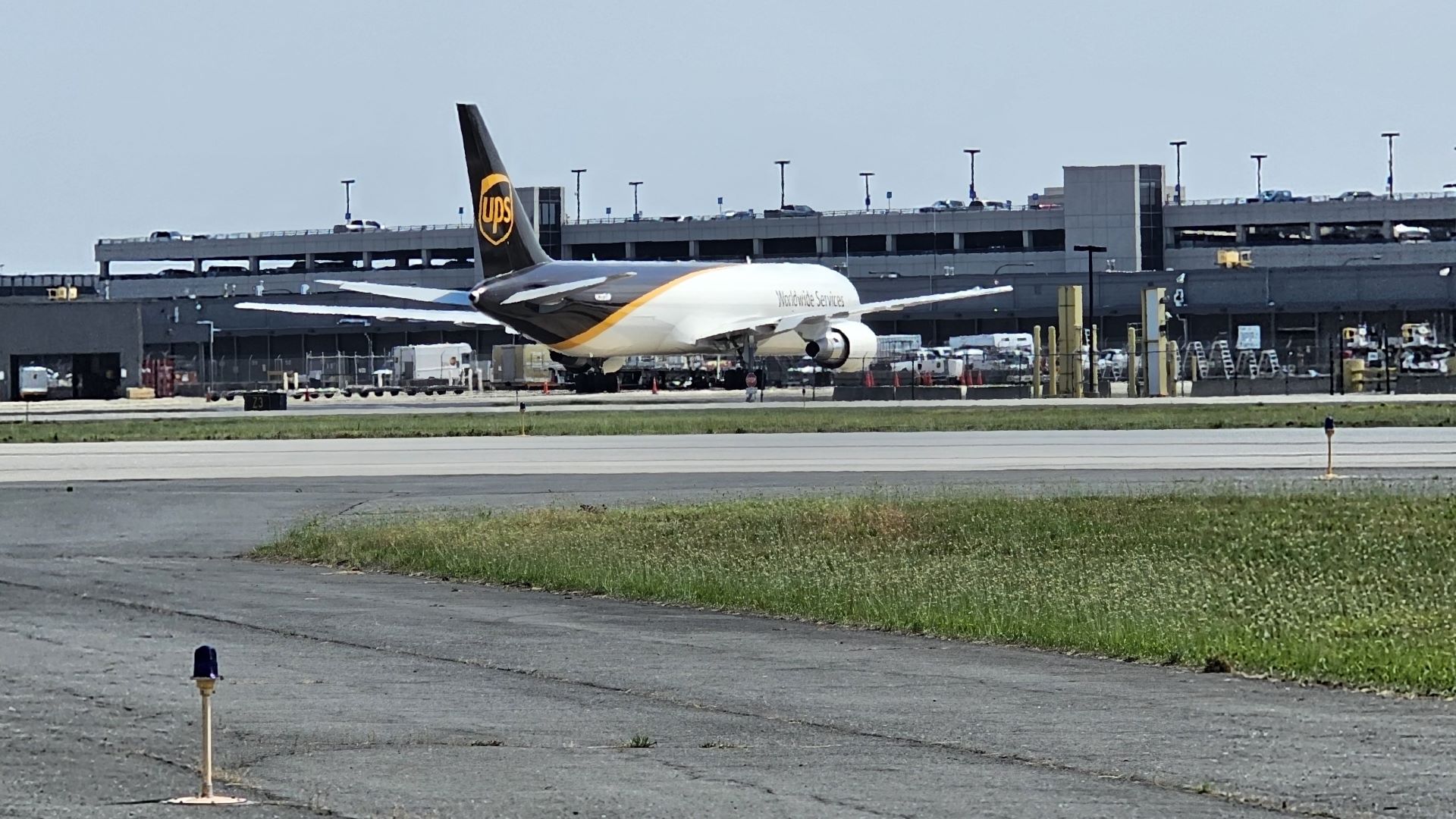
In contrast, pure cargo carriers that operate dedicated freight planes largely remain unaffected. The flight curtailments apply during traditional daytime hours, which aren’t the main operation times for many express cargo flights that often run overnight, plus international cargo flights are exempt. These factors mean that the lifeblood of global freight transportation—including major all-cargo hubs like Memphis (FedEx), Louisville (UPS), and Cincinnati (Amazon Air)—continue to operate with minimal disturbance.
How Are Cargo Airlines Responding?
Air cargo companies are collaborating closely with the FAA to adjust flight plans and protect critical shipments. For example, FedEx has activated contingency protocols by leveraging its integrated air and ground network to maintain the flow of essential goods. Meanwhile, DHL Express and other carriers are on alert to quickly deploy alternative routes or charter supplemental flights if needed.
Alternatives and Contingency Measures in Logistics
Given that reduced passenger flights tighten air freight capacity, businesses reliant on domestic air delivery are making swift moves to mitigate impact. These strategies include:
- Shifting shipments to ground transport options like expedited trucking to fill capacity gaps.
- Utilizing charter flights for urgent freight to bypass scheduled flight cutbacks.
- Optimizing inventory management to reroute shipments and avoid production halts.
However, the sudden surge to ground freight can strain these networks, leading to higher spot rates and logistical headaches as equipment and routing shuffle to meet new demands.
The Broader Logistics Picture and Airport Hubs
Though some major hubs for all-cargo flights remain operational, complications arise elsewhere. For instance, UPS’s Louisville hub is still managing the fallout from an aircraft accident, with limited runway availability contributing to delivery delays. Flight cuts also impact regional and domestic mainline passenger routes that typically carry a portion of freight, but the major air cargo arteries connecting international trade stay mostly unaffected.
Table: Key Cargo-Dominant Hubs Affected by Restrictions
| Havaalanı | Main Cargo Operator | Role in Cargo Network |
|---|---|---|
| Memphis, TN | FedEx Airlines | Global hub, dominant freight base |
| Louisville, KY | UPS | Global hub with express shipments |
| Cincinnati-Northern Kentucky | Amazon Air, DHL Express | North America’s largest Amazon hub |
| Anchorage, AK | Various carriers | Critical Pacific refueling point |
| Indianapolis, IN | FedEx Regional | Regional cargo operations |
| Oakland, CA | FedEx Regional | Regional operations on West Coast |
| Ontario, CA | FedEx, UPS, Amazon | Regional cargo hub, smaller scale Amazon |
What This Means for Logistics and Freight Forwarding
While the overall global cargo network may experience limited disruption due to its exemption from these flight restrictions, the domestic market’s squeeze on available air freight space signals a clear ripple effect. Shippers, freight forwarders, and logistics providers will need to be nimble—adapting schedules, switching transport modes, and managing critical inventory with agility. This scenario underscores just how intertwined air transport schedules and logistics flows are—and how delicate the balance can be when capacity tightens unpredictably.
Companies managing freight will find coordinating multiple transportation modes beneficial—blending air, ground, and even express charter services to provide reliable delivery in challenging conditions. Tools that offer access to competitive cargo transport options globally, such as GetTransport.com, become relevant here, offering versatile solutions ranging from office and home moves to hauling bulky cargo and vehicles.
The Importance of Real-world Experience Alongside Industry Feedback
Despite comprehensive industry analyses and forward-looking preparations, only actual experience paints the truest picture of how these restrictions impact shipment reliability. Every supply chain is unique, and firsthand encounters often reveal hidden bottlenecks or smooth operational tweaks not obvious on paper.
Platforms like GetTransport.com provide practical access to worldwide cargo transport at competitive rates, empowering shippers to explore diverse options and avoid costly pitfalls. By combining transparent pricing, extensive service variety, and convenient booking interfaces, users can tailor logistics movements to their exact needs—minimizing risk and maintaining supply chain integrity even amid air traffic challenges.
Book your cargo transportation with the best offers on GetTransport.com.
Looking Ahead: Impact on Global and Domestic Logistics
From a bird’s-eye view, the FAA-imposed flight reductions don’t appear to upend global cargo flows significantly, especially given exemptions for international flights and the timing outside peak overnight cargo windows. Still, the situation remains highly relevant for domestic logistics providers, especially those reliant on passenger aircraft for freight. They must continue monitoring developments closely and adjust rapidly to keep goods moving safely and efficiently.
As the world evolves, so does logistics—GetTransport.com stays on top of such shifts to help clients navigate these changes smoothly. Start planning your next delivery and secure your freight solutions with GetTransport.com to experience seamless, reliable, and cost-effective shipping.
Özet
In summary, the FAA’s flight restrictions chiefly impact freight carried on domestic passenger flights, causing potential delays and tighter capacity, while dedicated cargo carriers and international routes largely maintain usual service levels. This pushes shippers and logistics operators to adjust strategies, relying more on ground transport, charter flights, and sophisticated inventory management to avoid disruption.
Major cargo hubs continue functioning with some constraints, highlighting the resilience and complexity of air freight networks. The situation exemplifies the delicate relationship between air traffic regulation and logistics efficiency, fueling the need for adaptable and cost-efficient transport solutions.
GetTransport.com is a valuable ally in this environment, offering access to a global network for freight delivery, house moves, bulky shipments, and vehicle transportation—all at competitive prices and with user-friendly service. For anyone navigating these shifting skies and roads, GetTransport.com simplifies the forwarding process, ensuring your cargo gets where it needs to go without breaking a sweat.