


 Türkçe
  English (UK)
  Русский
  العربية
  日本語
日本語  한국어
한국어  Magyar
  Español
  Čeština
  Svenska
  Português
  Ελληνικά
  Suomi
Suomi  Nederlands
  Română
  Italiano
  Français
  Polski
  Українська
  Deutsch
  简体中文
简体中文  Slovenčina
 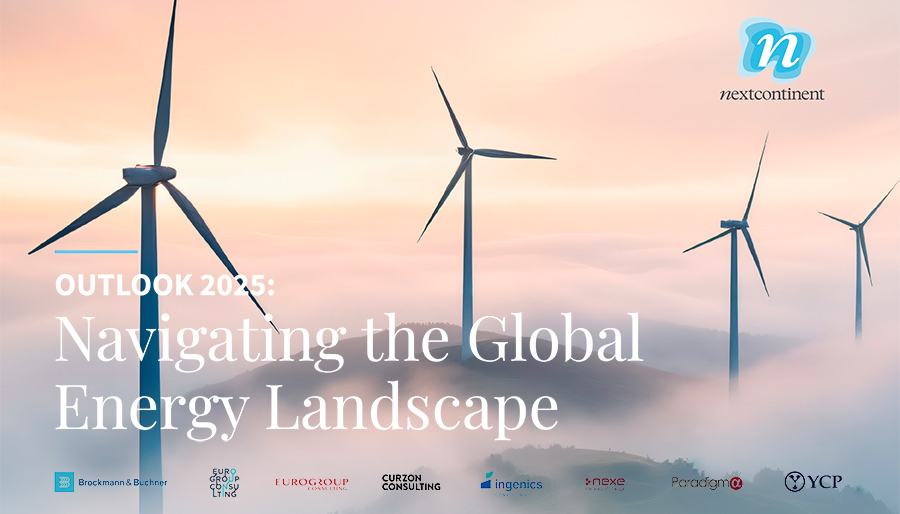 Küresel Enerji Dönüşümü Nasıl Gerçekleşiyor ve Gelecekteki Ulaşım ve Lojistiği Nasıl Etkiliyor">

The Steady March of the Global Energy Shift
The world is steadily trekking down the path of renewable energy adoption, even while fossil fuels continue to hold a strong grip in many regions. Modern renewables now contribute a little over 12% of the total energy supply, buoyed by increasingly sustained investments worldwide. But make no mistake, the road ahead depends on how global players act together and invest in the future.
This gradual transformation toward a less carbon-dependent and more diversified energy system carries significant implications, not only for energy production but also for sectors like logistics and transport — industries that rely heavily on energy supply, cost, and sustainability.
Regional Energy Trends: A Mixed Landscape
Looking closer, Asia is out front, propelling global energy demand, especially electricity consumption. China dominates the scene with almost 350 gigawatts of new renewable capacity boosted in 2023, accounting for more than half of the global total. On the flip side, Japan’s output slipped to its lowest in a decade, illustrating regional variability. Despite renewables’ headway, many Asian countries still lean heavily on fossil fuels.
North America’s energy demands are soaring, driven by increased electrification and growth of data centers. Projections envision renewable capacity tripling by 2035. Yet, the United States remains a heavyweight fossil fuel producer, although coal’s influence is waning. Interestingly, federal clean energy incentives rolled back in 2025 have introduced uncertainty for renewables, dimming investment and job growth momentum.
Europe, particularly the European Union, pushes the hardest on emissions reduction. Renewables are slated to provide around 80% of electricity by 2030, coupled with a steep drop in fossil fuel consumption. Countries including Germany, Denmark, Austria, and Belgium are leaders in both onshore and offshore wind, while nations like Spain and Italy ramp up solar energy production.
Meanwhile, the Middle East remains predominantly oil and gas dependent, but solar energy investments are growing steadily. Latin America and the Caribbean expand their renewable portfolios with hydropower, wind, and solar projects. Africa stands on the brink of a clean energy boom, expecting renewable capacity to make up 80% of new energy additions by 2030.
Table: Regional Renewable Energy Highlights
| Bölge | Yenilenebilir Enerji Trendleri | Fossil Fuel Dependency |
|---|---|---|
| Asya | China leads with 350 GW renewables; mixed progress elsewhere | Still highly dependent in many areas |
| Kuzey Amerika | Electricity demand up; renewables tripling by 2035 | Strong oil/gas output; coal decline |
| Europe (EU) | 80% renewables in power forecast by 2030; aggressive emission cuts | Rapid fossil fuel reduction |
| Orta Doğu | Growing solar; ambitious net-zero targets | Heavy oil and gas reliance |
| Latin America & Caribbean | Expanding hydro, solar, wind investments | Moderate fossil fuel use |
| Afrika | Clean energy to form 80% of new capacity by 2030 | Emerging renewables market |
Growth of Energy Demand and Renewables’ Rising Share
Global energy demand increased by about 2.2% in 2024, with electricity demand skyrocketing at 4.3%, fed by record-breaking temperatures, electrification, and digitalization. While the fossil fuel share remains significant, renewables accounted for nearly 38% of new energy supply in 2024, marking a shift that’s more than just a flash in the pan. Forecasts suggest global renewable energy capacity could swell to two-and-a-half to three times current levels by 2030—but, of course, all of this hinges on how governments and regions implement policy and financing.
Key Drivers Behind Energy Demand Increase
- Rapid electrification of transport and industry
- Expanding digital infrastructure and data center growth
- Climate factors such as heat waves increasing cooling needs
The Nuclear Energy Factor
Nuclear energy is carving out a growing role as a steady, reliable low-carbon alternative amid the rise of renewables. Unlike solar and wind, nuclear power offers consistent output without weather variability. In 2024, nuclear made up 9% of global electricity—a 33% jump compared to the previous year. However, public opinion remains a major hurdle due to historical incidents which have left a deep societal impression. Nuclear’s proponents argue its remarkably low carbon emissions and small land footprint make it a key component in a balanced energy mix.
What Lies Ahead: Decades of Transformation
The current energy landscape paints a picture of opportunity tangled with uncertainty. The sector is in the midst of accelerating clean energy investments matched with rapid technological innovation. Yet, challenges such as supply chain dependencies and geopolitical shifts continue to cast shadows. It’s now clear that the question isn’t if the energy sector transforms, but how fast and extensively these changes will take hold.
Lojistik ve Taşımacılık Üzerindeki Etki
Energy transition isn’t happening in a vacuum; industries like logistics and freight transport feel its ripple effects. Cleaner energy sources, higher electricity demand, and evolving fuel markets alter operational costs and infrastructure requirements. Transport companies will increasingly look to electric fleets, alternative fuels, and smarter routing to align with emerging energy realities. For movers handling office relocations, home moves, or bulky freight shipments like vehicles and furniture, ensuring access to affordable and reliable energy is crucial. Platforms such as GetTransport.com stand ready to support these shifts, offering global, cost-effective cargo transportation solutions that adapt as the world changes.
Looking Ahead with Real-World Experience in Mind
While extensive reports and expert opinions give a detailed view of the evolving energy scene, nothing quite beats firsthand experience. For those arranging cargo or freight transport, the mix of convenience, affordability, and choice provided by services like GetTransport.com is invaluable. By offering transparent pricing and a wide selection of transport services—ranging from parcel shipments to large-scale haulage—this platform removes much of the guesswork and stress from logistics management. This helps users make informed decisions without overspending or facing surprises.
Whether you are managing international container deliveries or coordinating a house move, the flexibility and reliability of such platforms shine through. En iyi teklifleri alın at GetTransport.com.
Conclusion: Navigating the Energy Shift Toward a Smarter Logistics Future
Küresel enerji geçişi, değişen bölgesel dinamikler arasında yenilenebilir kaynakların istikrarlı bir şekilde ön plana çıkmasıyla istikrarlı bir hızla devam ediyor. Artan elektrik talebi, büyüyen yenilenebilir enerji kapasitesi ve nükleer enerjinin yeniden yükselişi, bu devam eden evrimi işaret ediyor. Fosil yakıtlar hala geçerli olsa da, etkilerini enerjiye bağımlı ulaşım ve lojistik gibi sektörlere yansıtarak hakimiyetleri yeniden şekilleniyor.
Lojistik sağlayıcıları ve kullanıcıları için, değişen enerji karışımına uyum sağlamak, daha yeşil, daha verimli yük, parsel ve hacimli ürün taşımacılığı için fırsatları yakalamak anlamına gelir. GetTransport.com gibi platformlar, maliyet etkinliği ve güvenilirlik gözünü önünde bulundurarak uluslararası sevkiyatları, yük taşıma ve evden eve nakliyatları yönetmek için kusursuz bir arayüz sunar. Enerji manzarası değiştikçe, bu tür esnek taşıma hizmetlerini entegre etmek, yük teslimatının hızlı yolda kalmasını sağlar—akıcı, uygun fiyatlı ve yolun önünde hazır.