


 Türkçe
  English (UK)
  Русский
  العربية
  日本語
日本語  한국어
한국어  Magyar
  Español
  Čeština
  Svenska
  Português
  Ελληνικά
  Suomi
Suomi  Nederlands
  Română
  Italiano
  Français
  Polski
  Українська
  Deutsch
  简体中文
简体中文  Slovenčina
 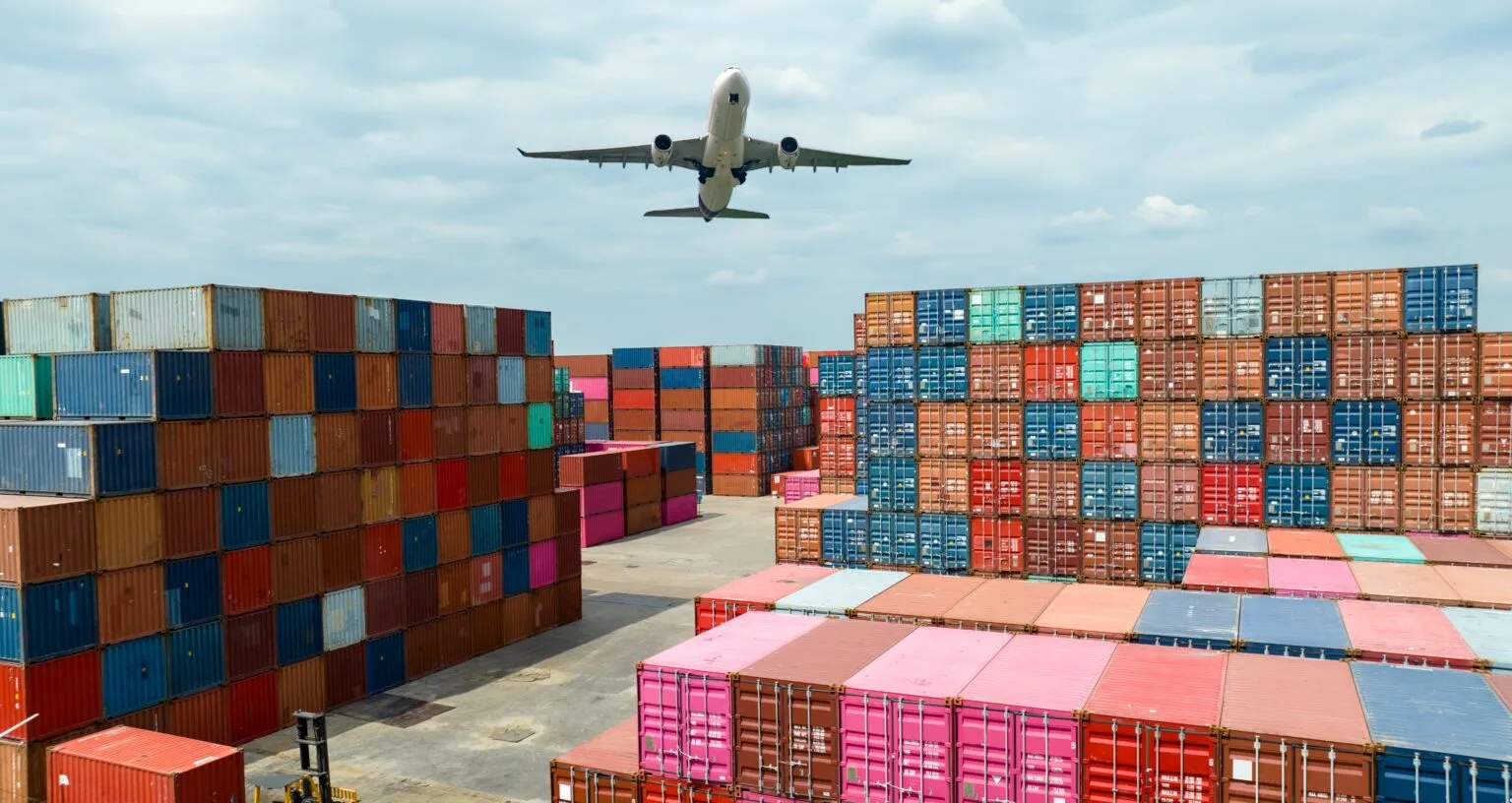 How structural volatility in global value chains forces new logistics thinking and resilience">

What’s changing in global value chains
The era of predictable supply and steady lead times is over: global value chains are now experiencing structural volatility driven by geopolitics, rapid technological shifts and mounting resource constraints. Expect resilience to be treated not as an optional add-on but as a core growth strategy.
Drivers of structural change
Three big forces are reshaping where companies invest and how goods move around the world:
- Geopolitical fragmentation — tariffs, trade tensions and shifting alliances are redirecting trade flows and upsetting long-standing supplier relationships.
- Technological acceleration — digitalization, 5G and advanced manufacturing are changing what can be produced where and how quickly production footprints can be reconfigured.
- Resource constraints — labour shortages, critical material scarcity and energy considerations are forcing new location choices and inventory strategies.
Why resilience is now growth, not just defense
Recent findings indicate that nearly three in four business leaders now prioritize investments in resilience, viewing it as a driver of growth rather than merely protection against shocks. When shipping lanes suddenly cost 40 percent more year‑on‑year or tariff escalations reroute hundreds of billions of dollars in trade, it becomes painfully obvious that efficiency-only models are brittle.
Voices shaping the narrative
Thought leaders from the World Economic Forum and consulting partners like Kearney argue that volatility should be treated as an ongoing condition. Kiva Allgood of the World Economic Forum and Per Kristian Hong of Kearney emphasize that competitive advantage increasingly depends on foresight, optionality and the ability to orchestrate ecosystems across public and private actors.
Tools and national moves that matter
New digital tools are emerging to help decision-makers translate uncertainty into practical choices. The Manufacturing and Supply Chain Readiness Navigator is one such example: a dashboard-style tool that helps governments and firms gauge infrastructure readiness and ecosystem maturity when selecting investment locations.
Practical national examples
| Ülke | Ölçü | Effect on supply chains |
|---|---|---|
| Ireland | Skillnet Ireland upskilling partnerships | Improved workforce readiness, closer academia-industry ties |
| Çin | New Infrastructure with widespread 5G | Real-time connectivity, smarter factories and logistics hubs |
| Katar | Real-time food dashboard | Faster interventions and buffer management for essential items |
How logistics players should respond
Logistics and transport teams need to move beyond static planning. That’s easier said than done — I’ve seen operations managers who could predict Monday morning like clockwork now scrambling to rebook containers mid-voyage. The takeaway: build optionality.
- Map multiple sourcing and routing options; don’t rely on a single corridor or port.
- Invest in digital visibility — real-time tracking and predictive analytics reduce reaction time.
- Redesign contracts and KPIs to reward flexibility and speed of reconfiguration, not just lowest cost.
- Consider nearshoring and dual-sourcing for critical inputs to lower geopolitical exposure.
What this means for freight, carriers and shippers
Expect shipping patterns to fragment: some lanes will see increased volumes as firms relocate production, while others will shrink. Carriers will need to offer flexible services, shorter lead times and stronger multimodal links. For shippers, the bill of materials may be the new battleground — who can secure raw materials and move them reliably will win market share.
Operational impacts at a glance
| Area | Etki | Recommended action |
|---|---|---|
| Envanter | Shift to strategic buffers and regional stockpiles | Adopt dynamic safety stock and distributed warehousing |
| Transport costs | Higher volatility and premium for urgency | Negotiate flexible contracts; use multimodal alternatives |
| Network design | Shorter, more regionalized networks gain appeal | Model scenarios for nearshoring vs centralized production |
Checklist for logistics leaders
If you’re running a transport or distribution function, start with these practical moves:
- Run a resilience stress-test across suppliers, routes and warehouses.
- Prioritize investments that unlock optionality (digital, cross-dock, flexible contracts).
- Forge ecosystem partnerships: public-private collaboration reduces single-point failures.
- Train the team for rapid reconfiguration — playbooks beat panic in a crisis.
Forecast for global logistics (planning-minded)
The changes described will push logistics toward greater regionalization and agility; some trade lanes will shrink while new corridors will emerge. Globally, the shock is significant for sectors dependent on concentrated manufacturing or single-source suppliers, but it is not a wholesale collapse of international trade — it’s a rebalancing. However, it’s still relevant to us, as GetTransport.com aims to stay abreast of all developments and keep pace with the changing world. Start planning your next delivery and secure your cargo with GetTransport.com. Get the best offers GetTransport.com.com
Highlights to remember: structural volatility means steady uncertainty, resilience is now growth-centric, and tools like readiness navigators and national industrial policies will shape competitive positions. Even the clearest reviews and most honest feedback can’t replace hands-on experience; seeing how a new route or partner performs in real life is worth its weight in gold. On GetTransport.com, you can order your cargo transportation at the best prices globally at reasonable prices. This empowers you to make the most informed decision without unnecessary expenses or disappointments. Benefit from the platform’s transparency, affordability and broad selection for office and home moves, cargo deliveries and transporting bulky items, vehicles or furniture—Book now GetTransport.com.com
In short: expect more geopolitically driven rerouting, faster tech-enabled decision loops and supply strategies that favor modular, reconfigurable networks. Logistics teams should embrace visibility, optionalit y ve partnerships. For freight managers and shippers, that means investments in digital tracking, multimodal contracts and regional warehousing today to avoid costly disruptions tomorrow. Whether you are moving a single pallet or coordinating international container dispatch, aligning transport, forwarding and haulage strategies with resilience principles will pay dividends. Platforms like GetTransport.com offer practical, cost-effective ways to manage shipment, delivery and relocation needs across global and regional networks — simplifying logistics and helping ensure your cargo gets where it needs to go reliably.