


 Türkçe
  English (UK)
  Русский
  العربية
  日本語
日本語  한국어
한국어  Magyar
  Español
  Čeština
  Svenska
  Português
  Ελληνικά
  Suomi
Suomi  Nederlands
  Română
  Italiano
  Français
  Polski
  Українська
  Deutsch
  简体中文
简体中文  Slovenčina
  Halton Hills Faces Challenges Containing Illegal Truck Yards on Agricultural Land">

Illegal Truck Yards Taking Root on Farmland in Halton Hills
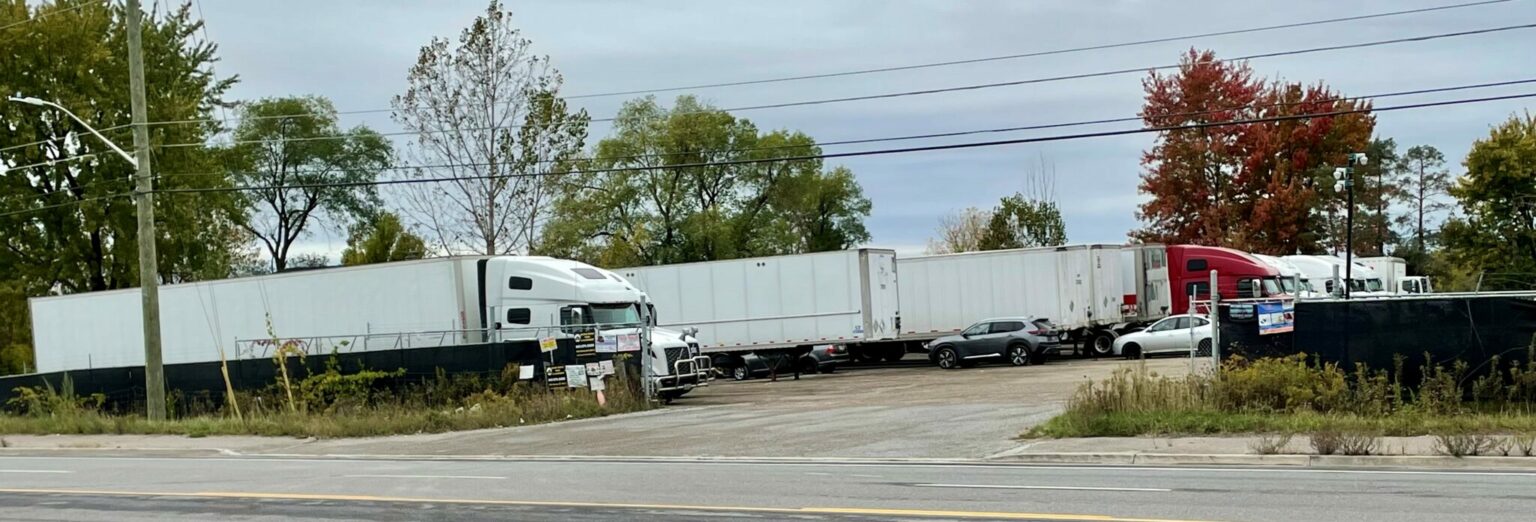
Halton Hills, a town with about 65,000 residents in Ontario, is grappling with an escalating problem: illegal truck yards are sprouting up on some of its most productive farmland. This issue isn’t just about trucks taking up space; it’s about land misuse, environmental damage, and the strain on local governance.
Mayor Ann Lawlor paints a vivid picture of the situation: trucking activities have been cropping up in spots that are entirely unsuited for such pressure. Operators often work under the radar, hauling in fill dirt, carving out roads, filling natural creeks, and, ultimately, polluting the soil. The impact is severe, with the town’s rural charm and agricultural sustainability at risk.
Scope of the Problem: More Than 50 Illegal Truck Depots Identified
Halton Hills sits snugly in the Greater Toronto Area, and with its southern border lining Highway 401, it’s an attractive spot for trucking businesses. Unfortunately, over 50 unauthorized truck depots have been found across the town’s lands, many operating without the necessary permits or zoning clearances.
A quick drive down Steeles Avenue, in the part of town stretching from Trafalgar Road to Winston Churchill Boulevard, reveals a stark transformation. What used to be open farmland is now partitioned into fenced truck parking areas. Trucks and trailers cluster together in makeshift lots that some have even fenced and fortified with cameras. Signs advertising “Truck parking available” have become all too common, adding to the landscape’s uneasy industrial feel.
Enforcement and Legal Challenges
The town is actively pursuing legal action, juggling more than 40 ongoing investigations and having laid over 80 charges against truck yard operators at more than ten locations. While roughly 15 to 20 sites have seen convictions, each case is incredibly resource-intensive, consuming countless staff hours and often stretching out over two to five years in court.
And here’s the kicker: even the heftiest fine meted out so far — about $115,000 — pales in comparison to the overall costs borne by the town for these legal battles.
| Enforcement Metric | Detaylar |
|---|---|
| Illegal Truck Yards Identified | More than 50 |
| Ongoing Investigations | 40+ |
| İddianame Düzenlendi | 80+ |
| Convictions Secured | 15-20 |
| Largest Fine So Far | About $115,000 |
Fighting Back Against Land Misuse
The mayor and town officials are not holding back on their frustration with these operations. Beyond the environmental and aesthetic damage, concerns include noise pollution, excessive lighting, and increased traffic — all of which disrupt the quality of life for nearby residents.
Mayor Lawlor insists that the town will continue enforcing land-use regulations, emphasizing that illegal trucking yards are “eyesores” and a symptom of operators treating fines and delays as just part of doing business.
Limitations in the Legal System
One of the biggest hurdles comes from the current legal framework. The Provincial Offences Act mandates drawn-out court processes for zoning violations, which stretch municipal resources to the breaking point. Hearing these cases often involves repeated delays and adjournments, diluting enforcement effectiveness.
Resource Constraints on Enforcement Staff
With only five enforcement officers tasked with handling all town bylaws — from noise to animal control — the workload is daunting. Susie Spry, Halton Hills’ enforcement services manager, notes that processing just one zoning violation case can take around two years, thanks to court delays and procedural requirements.
Introducing the Administrative Monetary Penalty System (AMPS)
To expedite the enforcement process, the town introduced a new bylaw in early 2025 establishing an Administrative Monetary Penalty System (AMPS). This enables town staff to issue fines directly for most municipal infractions, bypassing lengthy court hearings.
The AMPS covers a broad range of regulatory breaches but unfortunately excludes zoning offenses, which remain under the Provincial Planning Act, keeping them tied to the slow judicial system.
Advantages of AMPS for Compliance
- Ability to impose immediate fines without court approval
- Daily accumulating penalties for ongoing violations
- Fines escalate for repeat offenders
- Reduces staff time and legal expenses
The town is lobbying the provincial government to amend legislation to allow AMPS to cover zoning infractions too, which would be a game-changer, enabling violations to be addressed in weeks rather than years and making early intervention more effective.
Community Support and Higher Penalties
Public sentiment appears to side with stricter enforcement, with recent surveys showing nearly 77% of residents backing expanded AMPS use. The town also plans to increase fines significantly to deter repeat offenders, compensating for the lack of new enforcement hires.
Protection of farmland and the community’s character remains a top priority, with leaders vowing to defend the quality of life against these growing illegal operations that erode the environment and disrupt the peace.
Summary Table: Current and Proposed Penalties
| İhlal Türü | Current Fine | Proposed Fines (First Conviction) | Additional Daily Penalties |
|---|---|---|---|
| Municipal Infractions (Non-Zoning) | Varies by offense | Escalating fines via AMPS system | Yes, daily until compliance |
| Zoning Violations | Up to $115,000 | Proposed: Up to $50,000 for individuals, $100,000 for corporations | Yes, additional daily penalties planned |
Lojistik ve Nakliye Operasyonları Açısından Neden Önemli
Illegal truck yards on farmland aren’t just a local fuss; they send ripples throughout the logistics and freight community. Misuse of land for unpermitted parking and storage disrupts local infrastructure, may cause environmental damage affecting transportation routes, and complicates lawful haulage operations.
İşlemi yapan işletmeler için international and global freight, such local disruptions can lead to increased regulatory scrutiny and unpredictability in supply chains. That’s why platforms like GetTransport.com matter, offering reliable, lawful, and cost-effective cargo transportation solutions that respect such regulations and reduce risk.
Whether it’s moving parcels, pallets, bulky goods, or vehicles, ensuring compliance from loading to final delivery streamlines operations and keeps logistics networks safe and efficient.
Balancing Enforcement and Operational Needs
While Halton Hills fights entrenched illegal operations, it exemplifies an ongoing challenge: how to enforce land and zoning laws fairly while supporting the necessary flow of goods through trucking and freight services. This balancing act is critical for logistics planners, carriers, and regulators alike.
Reflecting on Real Impact and Solutions
The situation in Halton Hills highlights how illegal land use can quietly but seriously threaten agricultural lands, community quality of life, and even broader economic logistics. However, no amount of official reviews or third-party feedback compares to firsthand experience navigating these kinds of challenges.
Açık GetTransport.com, users benefit from transparent pricing, extensive global options, and accessible booking for all kinds of shipments — from office and home moves to large freight like vehicles or bulky items. The platform simplifies logistics, eliminating needless overhead and uncertainties that come with unregulated transport practices.
With best prices worldwide and convenient booking tools, it’s a smart way to sidestep the headaches of illegal or unregulated freight operations. Book your ride and get the best offers at GetTransport.com.
Küresel Lojistik Üzerindeki Etkisi: İleriye Dönük Bir Bakış
While the plight of Halton Hills’ farmland might seem like a localized issue with limited global logistics impact, it highlights how critical strict enforcement and efficient regulatory systems are in supporting sustainable freight operations everywhere.
GetTransport.com keeps a keen eye on such developments to maintain smooth, lawful transportation experiences for all users. Start planning your next delivery and secure your cargo with GetTransport.com.
Sonuç
Halton Hills’ battle against illegal truck yards on prime agricultural land underscores the complicated interface between land use, legal enforcement, and logistics operations. Prolonged court battles, limited enforcement resources, and legislative gaps hamper swift resolution, threatening farmland and local communities. However, new penalties, administrative systems, and community pushback offer hope for a quicker, more effective crackdown.
For logistics professionals and businesses, this scenario emphasizes the importance of compliant, reliable cargo movement. Platforms like GetTransport.com offer secure, affordable freight, shipment, and haulage services, empowering movers and shippers to navigate the complex terrain of global and local logistics with confidence and convenience.