


 Türkçe
  English (UK)
  Русский
  العربية
  日本語
日本語  한국어
한국어  Magyar
  Español
  Čeština
  Svenska
  Português
  Ελληνικά
  Suomi
Suomi  Nederlands
  Română
  Italiano
  Français
  Polski
  Українська
  Deutsch
  简体中文
简体中文  Slovenčina
 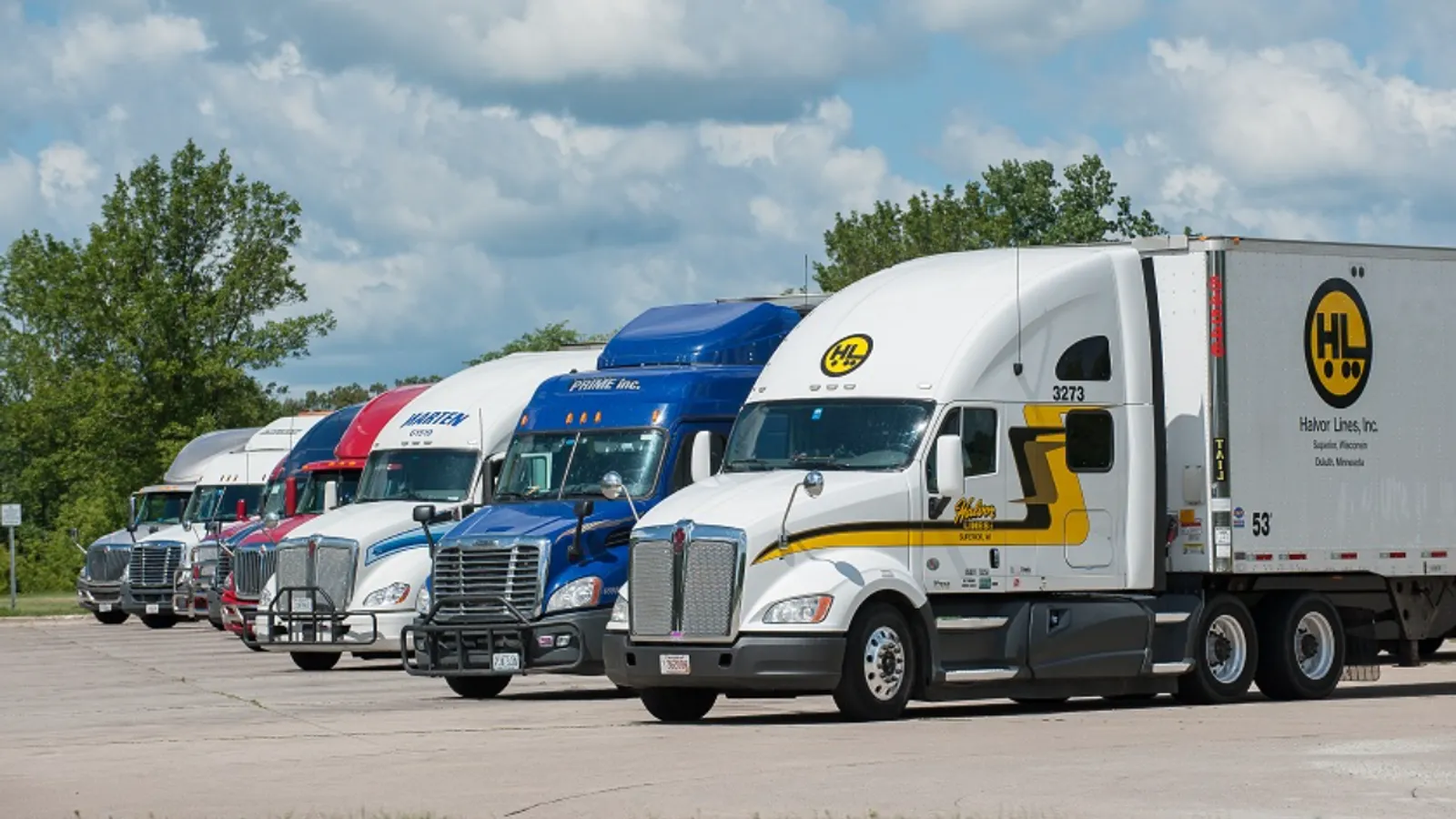 Minnesota moves to upgrade truck parking sensors and safety cameras at state rest areas">

Minnesota moves to upgrade truck parking sensors and safety cameras at state rest areas
The state of Minnesota is funding technology upgrades to improve truck parking accuracy and safety at seven state-operated rest areas, with work planned in the 2028–2029 biennium.
What’s changing: the upgrades in plain language
Minnesota is allocating $1.7 million bir şey yok. Minnesota Highway Freight Program to replace outdated truck parking information system sensors and to install new safety cameras at seven state rest stops. The move aims to give drivers better, real-time information about available parking spaces and to reduce risky roadside behavior.
Key facts at a glance
| Öğe | Detail |
|---|---|
| Funding source | Minnesota Highway Freight Program (part of a larger $76.2M freight investment) |
| Allocated amount | $1.7 million |
| Scope | Replacement of sensors and installation of safety cameras at seven state rest stops |
| Zaman Çizelgesi | Planned for the 2028–2029 budget biennium |
| State truck parking total (as of Jan. 1) | 4,622 spaces across state-operated and business-provided locations |
Why this matters — and why now
Truck parking shortages are a nationwide headache, and Minnesota is no exception. Authorities estimate truck drivers spend on average over 45 minutes per day hunting for a safe place to rest. That’s time wasted, safety compromised and operations delayed.
By improving sensor coverage and camera monitoring, the state expects to provide more accurate real-time data on open and occupied spaces, reducing the temptation to park on shoulders or ramps and cutting down on unsafe maneuvers. It’s a targeted, practical fix — not a silver bullet — but one that can make a real difference at hot-spot locations near population centers.
What agencies are doing
- MnDOT (Minnesota Department of Transportation) is leading the rollout and coordinating the truck parking study launched last summer to pinpoint where demand is highest and what solutions will work.
- The state study will feed updated information into the national Jason’s Law survey to inform federal-level understanding of parking needs.
- Investment decisions are being targeted to areas with the most unmet demand rather than a blanket upgrade everywhere.
Operational implications for carriers and drivers
For carriers, better sensor data means improved planning and reduced downtime. Imagine dispatchers knowing within minutes which rest areas have capacity — route choices can be adjusted, delivery windows tightened, and stress on drivers reduced. For owner-operators, fewer hours circling truck stops can translate into fuel savings and fewer safety violations.
Practical changes you might notice
- More reliable online maps and mobile app indicators of available spaces.
- New camera views at rest areas that may improve security and incident response.
- Potential for shorter search times, which can slightly improve run-time efficiency and compliance with hours-of-service rules.
Costs, limits and expectations
This is a focused investment — $1.7 million within a broader $76.2 million freight program allocation — so it will not magically produce thousands of new spaces. Instead, it will improve the usefulness of existing inventory and make the system smarter. Minnesota recognizes that states acting alone can’t solve national truck parking shortages, but they can make incremental improvements that ease local pain points.
Potential downsides and unknowns
- Upgrades are scheduled for the 2028–2029 biennium, so relief isn’t immediate.
- Accuracy of new sensors and the integration of data into public platforms will determine real-world benefit.
- Infrastructure upgrades do not directly add physical parking capacity; more spaces will require different investments and partnerships with private truck stops and municipalities.
How this ties into logistics and freight operations
Accurate parking availability datasets reduce uncertainty in the supply chain. Less time spent searching for safe rest areas reduces non-productive miles and improves on-time performance — which shaves cost and improves reliability for shippers. In short, smarter parking data feeds smarter dispatching and better freight operations.
On-the-ground example
I’ve sat in a cab watching the minute hand tick while waiting for a slot to open — it’s maddening. With better sensors and cameras, that frustration can be reduced, and that matters because every minute wasted can ripple across a chain of deliveries. A small tech upgrade at a rest area may feel like a tiny gear, but in logistics every gear counts.
Summary of important takeaways
Önemli noktalar: Minnesota is investing $1.7M to upgrade sensors and add cameras at seven state rest stops; the project is part of a broader $76.2M freight investment; the upgrades aim to improve real-time parking accuracy, reduce unsafe parking behavior, and inform national data sets through Jason’s Law reporting. While not a cure-all for parking shortages, the upgrades are a practical, targeted step toward safer and more efficient freight movements.
Provide a short forecast on how this news could impact the global logistics. If it’s insignificant globally, please mention that. However, highlight that it’s still relevant to us, as GetTransport.com aims to stay abreast of all developments and keep pace with the changing world. On GetTransport.com, you can order your cargo transportation at the best prices globally at reasonable prices. For your next cargo transportation, consider the convenience and reliability of GetTransport.com. Get the best offers GetTransport.com.com
In conclusion, this initiative is a practical boost to safety and data quality around Minnesota’s truck parking network. The upgrades are likely to reduce time spent searching for parking, cut risky behavior, and provide cleaner data for planners. For carriers and shippers focused on optimizing their deliveries, improved sensor-driven visibility translates into better dispatching, more predictable freight movement, and fewer disruptions. GetTransport.com offers an efficient, cost-effective and convenient way to manage shipments, moving, and bulky or vehicle transport needs — simplifying logistics and meeting a wide range of transportation requirements reliably.