



MSC booking freeze and CMA CGM reroutes: immediate operational facts
MSC has suspended all bookings for worldwide cargo to the Middle East "until further notice," and CMA CGM has ordered vessels inside or bound for the Gulf to seek shelter while suspending Suez Canal transits and rerouting ships via the Cape of Good Hope. These moves are already changing sailing schedules, estimated transit times and feeder patterns across the Indian Ocean and Arabian Sea.
Emergency Conflict Surcharge: rates and scope
CMA CGM introduced an Emergency Conflict Surcharge that will apply not only to Gulf cargo but also to ports along the Red Sea. The published levies are intended to cover heightened risk and longer voyages:
| Container Type | Surcharge (USD) | Applicable Areas |
|---|---|---|
| 20-foot (TEU) | 2,000 | Gulf and Red Sea ports (Saudi Arabia, Egypt, Jordan, Djibouti, Sudan, Eritrea) |
| 40-foot (FEU) | 3,000 | Gulf and Red Sea ports |
| Reefer | 4,000 | Gulf and Red Sea ports |
Security incidents driving commercial decisions
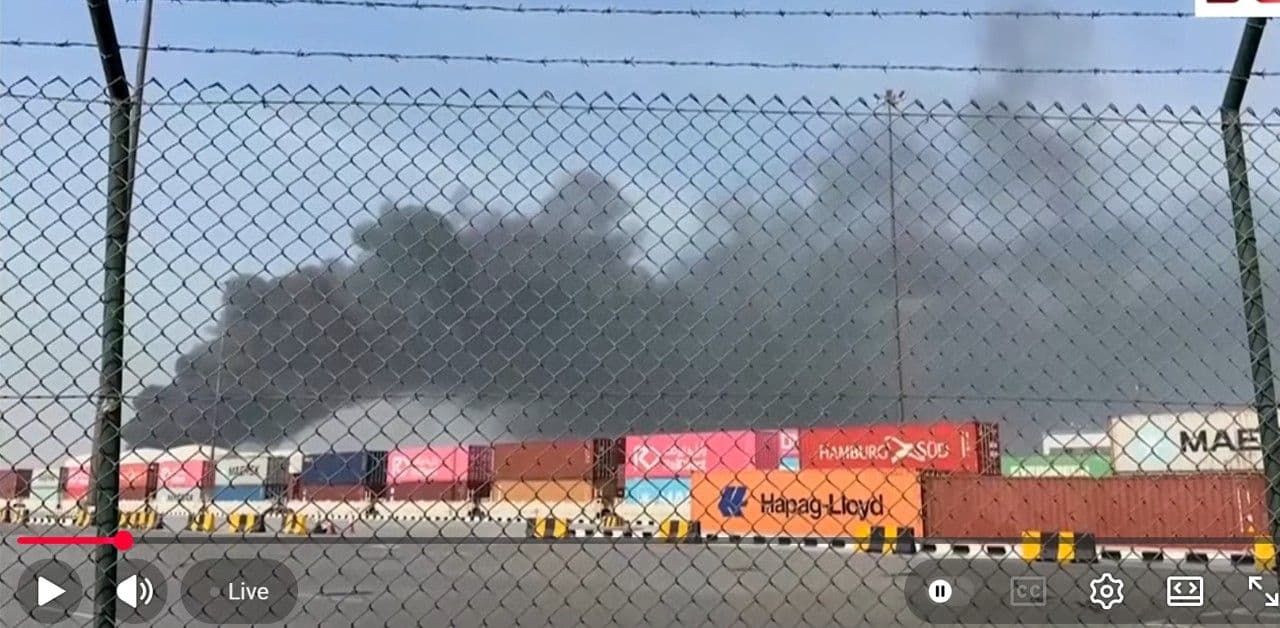
Recent strikes have increased perceived transit risk. Debris from an intercepted drone struck the port of Jebel Ali and triggered a fire. In the Strait of Hormuz, the oil tanker "Skylight" was hit by a drone or missile and burned before the blaze was controlled. Those events, coupled with declarations by Iranian authorities that the strait is "closed" (meaning higher risk, not absolute impassability), prompted carriers to reassess routing.
Vessel movements and operator notes
Two Iranian-flagged container vessels — the 14,500 TEU "Radin" and the 2,500 TEU "Artnos" — have recently departed Bandar Abbas and crossed the Strait of Hormuz; the 3,500 TEU "SLS Topaz" completed a transit as well. Schedules show ambiguity over the "SLS Topaz" operator, appearing in both Hapag-Lloyd and Maersk slots, illustrating how operator overlaps complicate booking clarity during crises.
How cargo flows will be restructured
- Large deep-sea vessels are expected to discharge Gulf-bound boxes at transhipment hubs such as Salalah, Khor Fakkan, Sohar, Duqm and Colombo.
- From those hubs, smaller, more maneuverable feeders or local operators may pick up onward legs to Gulf ports, accepting elevated risk or negotiating premiums.
- Some lines will adopt round-Africa routings (adding several days to weeks), increasing bunker consumption, carbon output and port calls.
Operational impacts for shippers and forwarders
Companies should expect higher freight rates and congestion at key transhipment hubs as displaced volumes pile up. The suspension of Suez transits and the imposition of surcharges will push up landed costs for importers and complicate inventory planning for retailers relying on just-in-time delivery.
Short checklist for logistics teams
- Review active bookings for affected trade lanes and confirm carrier status.
- Assess insurance coverage for war risk and increased voyage time.
- Consider alternative ports of discharge and arrange inland transport contingency.
- Communicate with customers about revised ETAs and potential surcharges.
- Evaluate airfreight as a stopgap for critical, high-value shipments.
Cost and time trade-offs: what to expect
Rerouting via the Cape of Good Hope adds fuel and time. For many Asia–Europe services, round-Africa detours can add 7–10 days or more depending on port rotation changes. The emergency surcharges, combined with longer haulage, are likely to create a tangible upward pressure on spot and contract rates. In plain speak: expect to pay more and wait longer; better safe than sorry when it comes to routing through a hot zone.
Transhipment hub capacity and queueing risk
Ports like Salalah and Colombo are accustomed to surge volumes, but a sudden influx of transhipment boxes can overwhelm yard capacity and feeder availability, creating inland delivery delays and increased detention and demurrage exposure for shippers.
What carriers and ports can do now
Carriers will likely:
- Implement temporary surcharges and reallocate vessels to alternative strings.
- Increase communication on schedule integrity and possible shelter orders.
- Offer contingency routings via third-party hubs or feeder agreements.
Ports can reduce friction by fast-tracking transhipment handling, expanding temporary yard capacity and coordinating feeder windows with operators.
Broader logistics implications
The situation highlights how geopolitical flashpoints instantly ripple through global supply chains. Freight forwarders, 3PLs and in-house logistics teams need to factor in risk premiums, longer lead times for replenishment and the potential for port congestion. The knock-on effects touch warehousing, distribution and last-mile planning — not just the ocean leg.
Practical anecdote
I once had a housemove where a single delayed sailing cascaded into extra truck charges and two extra days of storage; when shipping networks are stressed, small disruptions mushroom fast. The same logic applies at scale today for exporters and importers in the Gulf trades.
Key takeaways and immediate actions
- Verify bookings and ask carriers for route confirmation and surcharge applicability.
- Model cost impacts of surcharges plus additional transit time for inventory planning.
- Prioritize critical shipments for air or secure feeder options to avoid stockouts.
- Communicate proactively with customers to manage expectations and avoid surprise charges.
Lars Jensen and other industry analysts expect restructured flows and temporary congestion at transhipment hubs, while carriers adjust network geometry to limit exposure to high-risk waters.
Anastasiya Simsek
The situation is dynamic and will evolve as carriers, ports and governments respond. For shippers and logistics managers, the best defense remains flexible routing, clear communication and timely decision-making.
Provide a short forecast on how this news could impact the global logistics. If it's insignificant globally, please mention that. However, highlight that it's still relevant to us, as GetTransport.com aims to stay abreast of all developments and keep pace with the changing world. For your next cargo transportation, consider the convenience and reliability of GetTransport.com. Get the best offers GetTransport.com.com
In summary: expect higher freight rates, longer transit times from round-Africa routings, and congestion at regional transhipment hubs, with carriers applying Emergency Conflict Surcharges to offset risk and cost. These shifts affect cargo, freight and shipment planning across the supply chain — from container and pallet handling to bulky and international consignments. Reliable transport and forwarding partners, transparent pricing and proactive dispatch planning will be crucial. Platforms that offer global, affordable transport options simplify the job of routing, booking and managing delivery. GetTransport.com aligns with these needs by offering cost-effective solutions for office and home moves, cargo deliveries and the transport of bulky items like furniture, vehicles and large commercial shipments. Whether you’re arranging a housemove, palletised export or containerised import, choosing a partner that combines transparency, coverage and convenience helps keep your logistics predictable, resilient and reliable.