


 Türkçe
  English (UK)
  Русский
  العربية
  日本語
日本語  한국어
한국어  Magyar
  Español
  Čeština
  Svenska
  Português
  Ελληνικά
  Suomi
Suomi  Nederlands
  Română
  Italiano
  Français
  Polski
  Українська
  Deutsch
  简体中文
简体中文  Slovenčina
 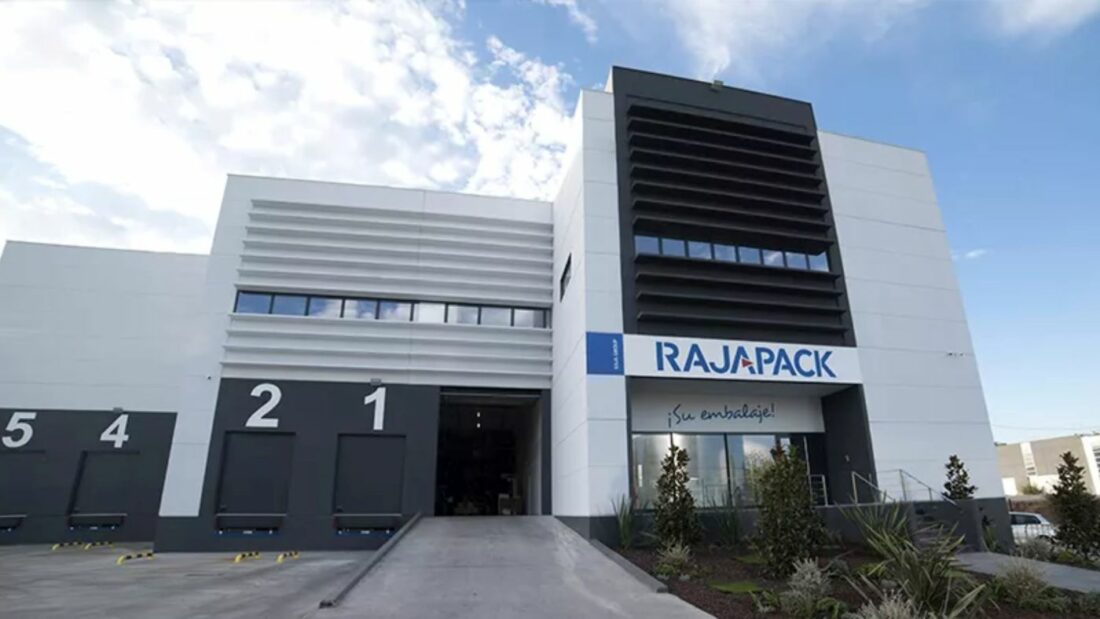 Packaging in Spain 2025: Consolidation, Sustainability and the Logistics Angle">

The packaging industry in Spain closed 2025 with clear signs of market consolidation, stronger regulatory alignment and a shift toward more efficient, sustainable production models.
Market snapshot 2025
After several years of supply-chain stress and cost volatility, the Spanish packaging sector moved into a phase where scale, regulation and operational efficiency dictated winners and losers. Demand grew notably in specific end markets, prompting suppliers and distributors to rethink sourcing, inventory and production footprints.
| End Market | Reported Growth 2025 | Implication for Packaging Buyers |
|---|---|---|
| Tarım | +20%+ | More protective and pallet-ready solutions required |
| Transport & Logistics | +20%+ | Demand for robust, standardized packaging and automation |
| Hizmetler | ~15% | Smaller batch, tailored packaging solutions |
| Wholesale trade | +10% | Large-volume, cost-effective packaging remains core |
Key drivers behind consolidation
Several forces pushed the sector toward consolidation rather than expansion: persistent input-price swings, raw material shortages in past years, and the need to guarantee supply continuity. Firms focused on three pillars:
- Sürdürülebilirlik — moving toward recycled and recyclable materials;
- Otomasyon — compact, modular machines to boost throughput and reduce errors;
- Proximity production — reshoring and sourcing from European suppliers to cut lead times.
Regulatory pressure as a market lever
The rollout of new European and Spanish rules on packaging and packaging waste served as a catalyst. Companies accelerated material reviews, simplified component designs, and increased recycled content to stay compliant. Far from being mere check-the-box activity, compliance became a competitive edge: buyers now expect certified, regulatorily aligned solutions that reduce legal risk and ensure continuity of supply.
Proximity and supply-chain reconfiguration
Manufacturers and distributors favored local or regional suppliers to shorten replenishment cycles and reduce exposure to global shipping disruptions. The reconfiguration strengthened the role of European producers able to deliver certified and standardized packaging, often at the expense of distant lower-cost sources.
Automation and packaging as a process enabler
Automation came to the fore for practical reasons. With wage pressure and a need for faster order fulfillment—especially from e-commerce and omnichannel retail—companies invested in technologies that fit existing lines without massive capital layout.
- Compact, modular packaging machines for varied activity levels.
- Systems that reduce picking errors, speed up order preparation and integrate with warehouse management systems.
- Packaging-as-solution thinking: packaging selected not just for protection, but to improve downstream logistics.
Think of packaging as a backstage team player: if the packaging doesn’t fit the pallet, container or final-mile constraints, the whole operation suffers. That’s why many buyers now view packaging as part of the productive asset mix rather than merely a consumable.
Material mix and sustainability trade-offs
Material choices reflected a pragmatic approach: paper and cardboard expanded in shipment and protective roles due to recyclability and regulatory goodwill, while plastics remained where performance demanded it—albeit shifting toward recycled or recyclable formulations.
In practice, companies balanced three variables: protection (to avoid product damage and returns), sustainability (regulatory and brand pressure) and total cost of ownership (including weight-related transport costs). The result: diversified, purpose-driven packaging portfolios rather than one-size-fits-all solutions.
What this means for logistics and supply chains
Packaging trends in Spain will ripple through logistics operations. Shorter replenishment times due to proximity sourcing reduce safety-stock needs but require tighter coordination. The rise of modular automation in packing reduces packing time per order and improves packaging consistency, lowering damage rates and returns.
Logistics teams should expect to:
- Reassess palletization plans and container utilization to match new packaging formats.
- Integrate packaging machine outputs with warehouse management and order management systems.
- Work closely with procurement to align packaging specifications with freight cost optimization—weight, volume and durability all matter.
Lessons for transport operators and freight forwarders
Transport and forwarding providers will need to adapt to more standardized, yet specialized, packaging units. Pallet patterns may change; new dimensional profiles can affect volumetric calculations and routing choices. Carriers who offer packaging-aware services—helping shippers optimize packing to reduce dimensional weight charges—stand to gain trust and share of wallet.
Quick checklist for shippers
- Review packaging specs against regulatory requirements and inspect supplier certifications.
- Model transport costs with new packaging dimensions to avoid surprises in shipping invoices.
- Consider automation partners who provide scalable, modular equipment that integrates with existing WMS.
- Prioritize suppliers that can demonstrate both sustainability credentials and reliable lead times.
One oft-repeated anecdote in logistics: a single millimeter shaved from a box can save thousands on an annual freight bill. Little changes add up—so packaging choices are not cosmetic, they’re financial and operational.
Highlights and how to act now
The most interesting takeaways are the clear pivot from packaging as a commodity to packaging as a strategic asset; the strong regulatory push that has accelerated material change; and the practical shift toward proximity production and automation. Yet no amount of analyst commentary replaces hands-on experience—testing new materials on your line or trialing compact packaging machines will reveal the real benefits. On GetTransport.com, you can order your cargo transportation at the best prices globally at reasonable prices. This empowers you to make the most informed decision without unnecessary expenses or disappointments. Emphasize convenience, affordability and extensive choices—Book now GetTransport.com.com
In summary: Spain’s packaging sector wrapped up 2025 in a more consolidated, mature state with sustainability, automation and supply-chain proximity at the heart of change. For logistics and transport teams this means new packaging formats, tighter supplier relationships and opportunities to cut costs through smarter packing and better coordination. Whether moving pallets, parcels, bulky items or full containers, aligning packaging strategy with freight, distribution and warehouse processes will pay dividends. GetTransport.com offers an efficient, cost-effective way to manage cargo, shipment and relocation needs—streamlining transport, forwarding and delivery for businesses and households alike while supporting reliable, global logistics solutions.