


 Türkçe
  English (UK)
  Русский
  العربية
  日本語
日本語  한국어
한국어  Magyar
  Español
  Čeština
  Svenska
  Português
  Ελληνικά
  Suomi
Suomi  Nederlands
  Română
  Italiano
  Français
  Polski
  Українська
  Deutsch
  简体中文
简体中文  Slovenčina
  Yüksek Mahkeme'nin Tarife Davasının ve Bunun Wall Street ve Geri Ödeme Talepleri Üzerindeki Dalga Etkilerinin İncelenmesi">

Supreme Court’s Review of Tariffs Raises Questions Over Possible Refunds
The recent Supreme Court hearing focusing on the legality of tariffs imposed during President Donald Trump’s administration has stirred considerable debate—not just in legal circles but on Wall Street as well. Although the court may find the authority used to enforce these tariffs questionable, the possibility that importers will see full or partial refunds remains clouded in doubt.
What Are These Tariffs and Why Do They Matter?
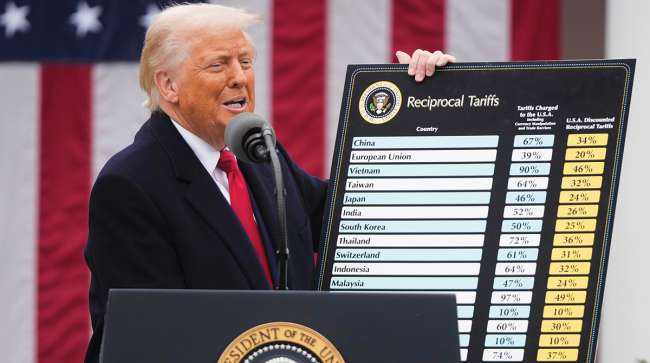
The tariffs in question were levied under the International Emergency Economic Powers Act, primarily targeting goods imported from various countries. If the Supreme Court rules that such executive action exceeded legal bounds, importers could theoretically be entitled to recover billions of dollars in duties paid. However, the path to securing any reimbursement is complicated by procedural and logistical hurdles.
The Complex Road to Refunds
One major issue under discussion is the refund logistics. The idea of importers filing individual claims for amounts paid on each shipment introduces a significant administrative challenge. It’s not just a matter of legality but a practical question: Can the system efficiently handle such a massive volume of claims, or will importers be left holding the bag? Even one Supreme Court Justice highlighted these difficulties, suggesting the court might dismiss the tariffs without mandating full repayment.
Wall Street’s Gamble on Tariff-Refund Claims
Despite the uncertainties, some hedge funds and investment firms have bet on the chances of successful refund claims. Firms such as King Street Capital Management and Fulcrum Capital Holdings have acquired rights to potential tariff reimbursements, often purchasing these claims at a fraction of their face value. Prices are scant, ranging from 10 to 25 cents per dollar of potential refund, indicating skepticism among investors about the outcome and timing.
| Yatırımcı | Activity | Status |
|---|---|---|
| King Street Capital Management | Acquired tariff refund claims | Silent on commenting |
| Fulcrum Capital Holdings | Co-founded tariff trade bets | Expressed concerns about refund delays |
| Seaport Global Holdings | Broker connecting importers and investors | Did not respond to inquiries |
Legal and Financial Risks Behind the Scenes
The legal nature of these tariff refund claims means importers retain ownership even after selling the claim to investors. This unique arrangement demands the importer to pursue the refund and pass on the proceeds. The process is fraught with risks like lengthy dispute resolutions, administrative bottlenecks, and even potential bankruptcy of claim sellers, threatening recovery for investors.
What Does the Court’s Decision Mean for Logistics and Cargo Transport?
For companies involved in international trade and logistics, this Supreme Court decision could alter the cost landscape of importing goods significantly. Tariffs effectively act as additional freight costs, influencing shipping fees, cargo pricing, and overall supply chain expenses. If refunds come through, it could lighten the financial load, but if they don’t, businesses might still be adjusting freight charges to accommodate these levies.
Ongoing Changes in Tariff Policy
In parallel to the court case, trade negotiations continue to shape tariff levels. Recent talks have hinted at possible reductions in duties—such as lower tariffs on Swiss imports and newly announced exemptions expected to ease food prices. Such developments play a direct role in logistics planning, affecting haulage costs, distribution strategies, and shipment routes globally.
Table: Key Impacts of Tariff Decisions on Logistics
| Aspect | Olası Sonuç | Lojistik Üzerindeki Etki |
|---|---|---|
| Tariff Refunds | Delayed or denied reimbursement | Continued higher import costs, affecting freight rates |
| Tariff Reductions | Lower duties on certain goods | Reduced cargo costs, improved supply chain efficiency |
| Legal Uncertainties | Lengthy disputes | Increased risk in shipment pricing and contract negotiations |
Investor Caution and the Limits of Market Trading
Adventurous as some investors are, the tariff-related trades remain niche and relatively modest in scale compared to Wall Street’s typical bets. The complexity of claims and the drawn-out timeline for a refund dampen enthusiasm. However, the mere existence of a market for these trades reveals how financial players seek alternatives to traditional stock or commodity speculation, possibly benefiting from government policy outcomes independent of broader market swings.
Why This Subject Still Matters
Understanding the dynamics behind tariff refunds gives us a window into how legal decisions ripple through the economy and logistics. It highlights the interconnected reality where financial markets, government policy, and supply chain management intersect, often in unpredictable ways. Although the Supreme Court’s verdict and its implications might not rewrite global logistics overnight, they add another layer of consideration for businesses that import, export, and move freight internationally.
Of course, even the most detailed analyses and transparent feedback can’t beat firsthand experience. On platforms like GetTransport.com, individuals and companies can arrange cargo transportation—be it for office or home moves, vehicles, furniture, or bulky goods—at competitive rates worldwide. This transparency and flexibility empower users to make delivery decisions that suit their unique needs, avoiding unnecessary expenses and disappointment.
GetTransport.com offers a reliable and convenient way to navigate the complexities of moving goods, no matter how complex the external business environment may be. Whether shifting household furniture overseas, dispatching commercial cargo, or coordinating multifaceted freight shipments, the platform provides access to a broad network of carriers and logistics solutions.
Bir sonraki teslimatınızı planlamaya başlayın ve kargonuzu GetTransport.com.
Sonuç
The Supreme Court’s upcoming ruling on the tariffs imposed under the Trump administration is poised to generate significant uncertainty around potential refunds for importers. While some hedge funds are already trading claims related to these refunds, the market remains cautious due to complex legal pathways and the potential for lengthy delays or no reimbursement at all. This situation ripples out into logistics, where the cost and risk of freight shipping can be directly impacted by tariff policies and their enforcement.
As tariff policies evolve and court decisions loom, businesses engaged in cargo transport, freight forwarding, and shipment distribution remain vigilant. The decisions will influence the cost structure of international shipping and the financial strategies importers employ. Meanwhile, reliable logistics platforms such as GetTransport.com provide an accessible, cost-effective option for those needing to move shipments across borders, enabling efficient relocation, parcel delivery, and haulage without the headache of tariff complications. Their transparent network anchors logistics amidst uncertain times, helping users keep their shipments on track with minimal fuss.