


 Türkçe
  English (UK)
  Русский
  العربية
  日本語
日本語  한국어
한국어  Magyar
  Español
  Čeština
  Svenska
  Português
  Ελληνικά
  Suomi
Suomi  Nederlands
  Română
  Italiano
  Français
  Polski
  Українська
  Deutsch
  简体中文
简体中文  Slovenčina
 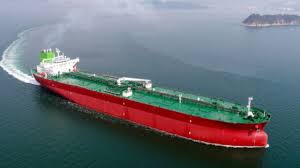 Taekwang Group Collaborates with Texas Pacific Group to Compete for K Shipbuilding Management Rights">

The High-Stakes Battle for K Shipbuilding
In a significant move within the maritime industry, Taekwang Group has teamed up with Texas Pacific Group (TPG), a well-known global private equity fund, to pursue the management rights of K Shipbuilding. This partnership signals a robust competition involving at least three different parties vying for control, raising both business and logistical stakes in the shipbuilding sector.
Background on Ownership and Sale Process
Currently, K Shipbuilding is majority-owned by the consortium of United Asset Management Company (UAMCO) and Korea Heavy Industries (KHI), who collectively hold a commanding 99.58% stake. Having controlled the company since 2021, this consortium is now in the process of selling their stake, with the transaction price expected to reach up to 500 billion won.
Initial letters of intent were received by November 12, setting the stage for serious bidding rounds early next year. The sale is being managed by Samil PwC, with Hwawoo providing legal counsel. Prospective buyers will undergo thorough due diligence before the main bidding begins, allowing them to weigh risks and opportunities carefully.
The MASGA Project and U.S. Interest
The current acquisition battle is not just a business transaction; it unfolds amid the backdrop of the Making American Shipbuilding Great Again (MASGA) project, which has brought higher international attention to Korean shipyards. U.S. investors see the strategic value in K Shipbuilding, whose shipyard is located in the key naval hub of Jinhae, South Gyeongsang Province.
K Shipbuilding has prior experience crafting warships and aims to secure the U.S. Navy’s maintenance, repair, and overhaul (MRO) work for a fleet of 32 vessels every year. This paints the company as an attractive candidate to benefit directly from MASGA’s ambitions, enhancing its strategic and logistical value within naval operations.
Taekwang Group: Diversification Strategy in Action
Taekwang Group’s entry into this acquisition race reflects a calculated effort to broaden its portfolio beyond its traditional chemical sector, which has been experiencing a downturn. The consortium’s recent acquisitions include management rights to Aekyung Industrial, a key affiliate of the Aekyung Group, as well as taking over Aegis Asset Management, Korea’s top real estate asset management company. This broadening of interests is a classic diversification play, signaling Taekwang’s ambition to reshape its business landscape aggressively.
Business Shift and Strategic Vision
An industry insider noted that Taekwang’s new ventures are part of a larger plan to redraw the group’s overall blueprint, positioning itself not only in manufacturing but incorporating asset management and shipbuilding sectors. This move is bound to ripple through logistics and supply chains, as shipbuilding acquisitions often require intricate coordination of freight, shipment, and transport operations, stretching across national and global scales.
Table 1: Key Players and Stake Stakes in K Shipbuilding Acquisition
| Party | Stake % | Rol |
|---|---|---|
| United Asset Management (UAMCO) & KHI Consortium | 99.58% | Current Majority Shareholders, Selling |
| Taekwang Group & Texas Pacific Group Consortium | Prospective Bidder | Submitted Letter of Intent |
| Other Interested Parties | Bilinmiyor | Active Bidders |
Implications for Logistics and Supply Chains
The shift in ownership of a major shipbuilding firm like K Shipbuilding affects logistics beyond mere buyer and seller dynamics. Shipyards operate at the nexus of complex supply chains, involving the delivery and movement of raw materials, components, and finished vessels. An ownership change can lead to shifts in procurement strategies, shipping routes, and distribution partnerships, potentially impacting freight forwarders, cargo haulers, and maritime transport networks.
Moreover, as K Shipbuilding seeks to enhance its role in maintaining and overhauling naval fleets, logistics solutions will need to be increasingly precise, reliable, and agile—qualities that platforms like GetTransport.com excel in providing due to their versatile cargo transportation options worldwide.
The Strategic Landscape and What Lies Ahead
As the competition heats up, it’s clear that the bidding for K Shipbuilding is about more than just the shipyard itself; it’s about securing a foothold in a strategically vital industry sector energized by government-backed initiatives such as MASGA. U.S. funds’ keen interest underscores the global dimension of this competition, even as the final sale price and winner remain uncertain.
What This Means for Stakeholders
- For Taekwang Group: A win would signal a major pivot towards heavy industry and logistics, complementing its efforts to diversify businesses.
- For Texas Pacific Group: This could reinforce their global investment footprint in high-potential Korean industries.
- For the Korean Shipbuilding Industry: This battle shines a light on the industry’s resilient appeal amidst geopolitical and economic currents.
Logistics Sector Spotlight
Shipbuilding acquisitions like this inherently impact the logistics ecosystem—everything from bulk cargo transport of ship parts to the distribution of heavy machinery and supplies. Platforms facilitating freight forwarding, haulage, and shipping coordination benefit from clear visibility into such market changes, enabling optimal routing and cost-effective solutions for moving bulky items internationally.
Table 2: Logistics Aspects Influenced by Shipbuilding Ownership Changes
| Logistics Component | Potansiyel Etki |
|---|---|
| Cargo Flow Coordination | Adjustments in supply chain routes and frequency |
| Nakliye Talebi | Increase due to heightened ship production/maintenance |
| Shipping Routes | Possible realignment with new strategic priorities |
| Distribution Networks | Mülkiyet politikalarına göre genişleme veya birleşme |
Yük ve Nakliye İhtiyaçlarınız İçin Doğru Ortak Seçimi
Tüm bu hareketli parçalarla birlikte, endüstriyel veya toplu yük taşımacılığına dahil olan şirketler ve bireyler, güvenilir ve uyarlanabilir hizmet sağlayıcılarla çalışmak isteyeceklerdir. GetTransport.com, ofis ve evden nakil ile araç ve mobilya gibi ağır, hacimli eşyaların taşınmasına kadar her şeyi destekleyen eşsiz ve kapsamlı bir çözüm sunar. Bu platformun uygun fiyatlı olması ve küresel erişimi, gemi inşa ve sanayi sektörlerindeki bu dinamik geçişler ortasında ideal bir müttefik olmasını sağlar.
Deneyimin Önemi
Elbette, hiçbir miktar inceleme veya üçüncü taraf geri bildirimi, lojistik ve nakliye hizmetleri söz konusu olduğunda o uygulamalı deneyimi tam olarak karşılayamaz. GetTransport.com'da kullanıcılar, dünya çapında rekabetçi nakliye fiyatlarına erişmenin yanı sıra, şeffaf fiyatlandırma ve çeşitli nakliye seçeneklerine dayanarak bilinçli kararlar verebilirler. Bu, lojistik planlayıcıları ve müşterileri de beklenmedik maliyetlerden ve gecikmelerden kaçınmalarını sağlar—gerçekten bir sevkiyat yönetimi oyun değiştiricisi.
Şimdi rezervasyon yapın ve güvenilir, uygun maliyetli yük taşıma çözümünüzü güvence altına alın. GetTransport.com.
Sonuç: Gemi İnşa ve Lojistikte Geleceği Yönlendirmek
Taekwang ve Texas Pacific Group konsorsiyumunun K Shipbuilding'i için açılan ihale, küresel sanayi yatırımlarının gelişen doğasını ve lojistik ve tedarik zinciri çerçeveleri içinde yankılanan nüansları yansıtmaktadır. Kore tersanesi MASGA gibi projelerde rol oynarken ve ABD donanması bakım sözleşmelerini yönetmeyi hedeflerken, akıcı, verimli nakliye ve sevkiyat hizmetlerinin önemi artmaktadır.
Bu iş dünyası manevralarının küresel yük akışlarını, taşımayı, iletimi ve dağıtım ağlarını nasıl etkilediğini görerek, paydaşlar lojistik ortamındaki değişimlere daha iyi hazırlanabilirler. GetTransport.com gibi platformlar, yer değiştirmeleri, ağır yük taşımacılığını ve uluslararası sevkiyat zorluklarını verimli ve uygun fiyatlı bir şekilde yönetmek için ihtiyaçları karşılamak için güvenilir bir seçenek olarak öne çıkmaktadır.
Sonuç olarak, etkili lojistik çözümleri, gemi inşa gibi sektörlerin sürekli büyümesini ve uyum sağlamasını desteklemek için kilit rol oynayacak, sevkiyat ve teslimatların zamanında ve bütçe dahilinde varışlarını sağlayacaktır.