


 Türkçe
  English (UK)
  Русский
  العربية
  日本語
日本語  한국어
한국어  Magyar
  Español
  Čeština
  Svenska
  Português
  Ελληνικά
  Suomi
Suomi  Nederlands
  Română
  Italiano
  Français
  Polski
  Українська
  Deutsch
  简体中文
简体中文  Slovenčina
 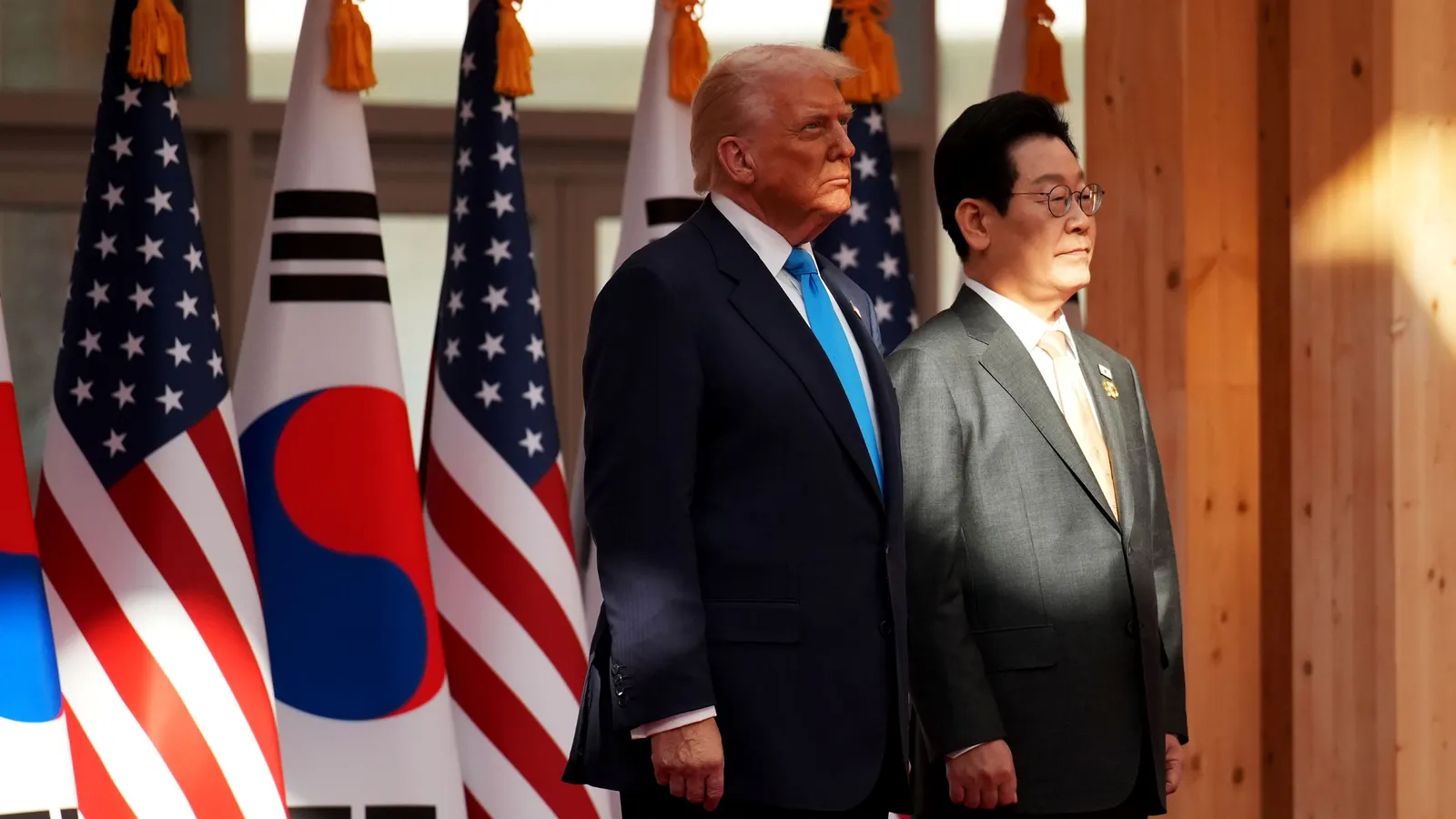 Yeni ABD-Güney Kore Ticaret Anlaşması, Araçlar ve Otomobil Parçaları Dahil Güney Kore İthalatları Üzerindeki 15% Gümrük Sınırını Sağlamlaştırıyor">

En Son ABD-Güney Kore Ticaret Anlaşmasını Anlamak
Amerika Birleşik Devletleri ve Güney Kore, bu yılın başlarında üzerinde anlaşılan ve bir 15% tarife tavanı Güney Kore'den yapılan ithalat, özellikle otomobiller, otomobil parçaları ve 232. Bölüm vergilerinden etkilenen diğer mallara odaklanılarak. Bu hareket, ticaret vergilerini dengelerken, önceden yürürlükte olan bazı kısıtlamaları hafifletmeyi, işletmeler ve lojistik için daha net bir öngörülebilirlik sağlamayı amaçlamaktadır.
Temel Tarife Hükümleri
Anlaşmanın özünde, ABD'nin Güney Kore ithalatına uyguladığı tarifeleri sabit 'e sınırlama taahhüdü yer alıyor. Bu üst sınır, otomobiller, otomobil parçaları, kereste, tomruk ve ilgili ahşap ürünleri gibi 232. Bölüm kapsamında ek vergilere tabi olan ürünler de dahil olmak üzere tüm ürünler için geçerlidir. Daha önce, bu sektörler sevkiyat maliyetlerini ve gümrük planlamasını zorlaştıran değişken tarifelerle karşı karşıyaydı.
Tarifeleri 'te dondurarak, Güney Kore'den ithalat yapanlar, lojistik ve navlun operasyonlarını ani maliyet artışı riski azalmış şekilde planlamak için istikrarlı bir çerçeve elde ediyor. Bu, daha sorunsuz, daha öngörülebilir bir durum sağlayarak nakliye komisyoncularına, nakliyecilere ve distribütörlere fayda sağlıyor. kargo akışları ve istenmeyen gönderim maliyetlerindeki sürprizleri azaltır.
Karşılıklı Adımlar: Güney Kore'nin İthalat Kısıtlamalarını Gevşetmesi
Karşılığında, Güney Kore şunları yapmayı kabul etti: ABD otomobil ithalatına getirilen kısıtlamaların hafifletilmesi. Daha önce, katı bir sınır ithalatı ABD güvenlik standartlarını karşılayan ancak giriş yaptıktan sonra daha fazla denetimden geçirilmeyen 50.000 araçla sınırlıyordu. Bu kota artık kaldırıldı ve ABD'den Güney Kore'ye otomotiv sevkiyatları ve dağıtım zincirleri için yeni yollar açılıyor. Daha basit ithalat süreçleri, limanlarda ve gümrüklerde gelişmiş yük elleçleme verimliliğine olanak tanıyarak araçların ve ilgili hacimli sevkiyatların dağıtımındaki gecikmeleri azaltır.
Ek olarak Güney Kore, ele almak için önlemler alacaktır tarife dışı engeller gıda ve tarım ürünlerini etkileyerek ticaretin çeşitlendirilmesi ve sorunsuz bir şekilde loji̇sti̇k bu ticaret ortakları arasında.
İleriye Bakış: İlaç ve Yarı İletkenlere Olası Tarifeler
Anlaşma ayrıca Güney Koreli ilaç ve yarı iletkenlere yönelik olası gelecekteki tarifeler için geçici şartları da özetlemektedir. ABD şu anda ithalatla ilgili ulusal güvenlik risklerini değerlendiren 232. Bölüm kapsamında bu sektörleri soruşturmaktadır.
Anlaşmaya göre, ilaçlara tarifeler uygulanırsa, 'te sınırlandırılacaktır. Yarı iletkenler için ise, herhangi bir vergi, ABD ile yarı iletken ticaret hacimleri Güney Kore'ninkiyle karşılaştırılabilir olan diğer ülkelerle üzerinde anlaşmaya varılan şartları izleyecektir.
Ayrıca, anlaşma, adil ticareti ve tedarik zinciri istikrarını desteklemeye yönelik mevcut başkanlık kararnameleriyle uyumlu olarak, belirli jenerik ilaçlar, içerikler ve yerli olmayan doğal kaynaklar üzerindeki tarifelerin kaldırılmasına yönelik planların sinyalini veriyor.
Ufukta Stratejik Yatırımlar
Tarife endişelerinin ötesinde, bu anlaşma Güney Kore'nin yatırım yapma yönünde etkileyici bir taahhüdünü içeriyor ₺50 milyar ABD pazarında. Bunun 150 milyar ABD doları ABD gemi inşa endüstrisi için ayrılmış olup, yük taşımacılığı kapasitesi ve ilgili alanlarda potansiyel bir patlamaya işaret etmektedir. haulage deniz lojistiğini destekleyen sektörler.
Kalan ₺200 milyar ise stratejik sektörlere aktarılacak, ancak ayrıntılar henüz belli değil. Bu yatırımlar, her iki ülkedeki altyapıyı, üretim kapasitelerini ve tedarik zinciri sağlamlığını artırarak daha geniş lojistik ortamını etkileyecektir.
Ticaret Anlaşmasının Lojistik ve Nakliye Üzerindeki Etkisi
Bu ticaret anlaşmasının etkileri sadece tarife rakamlarının çok ötesine uzanıyor; tüm yelpazeyi etkiliyor. nakliye, sevkiyat, paket teslimatı ve konteyner taşımacılığı. Örneğin, tutarlı tarifeler, daha öngörülebilir navlun maliyetleri ve daha sorunsuz dağıtım uluslararası gönderiler için düzenlemeler. Otomotiv ithalatı sınırlamalarının gevşetilmesi, daha iyisini teşvik ediyor vehicle transport akışını iyileştirerek taşınanlara, araç taşıyıcılarına ve hacimli mallarda uzmanlaşmış lojistik şirketlerine fayda sağlar.
Tedarik zincirlerinin değişen tarifelere ve ithalat kurallarına uyum sağlamak için bir araya geldiği bir dünyada, bu anlaşma sevkiyat planlamacıları ve kuryeler için dengesizliği azaltmaya yardımcı oluyor ve malların beklenmedik maliyetlerin tıkanıklığı olmadan hareket etmesini sağlıyor.
| Aspect | Detaylar |
|---|---|
| ABD'deki Güney Kore mallarına uygulanan tarifeler | 15% otomobiller, otomobil parçaları, ahşap ürünleri dahil olmak üzere düz şapka |
| Güney Kore'nin otomobil ithalat kısıtlamaları | ABD güvenlik standartlarını karşılayan ABD araçları için 50.000 adetlik sınırın kaldırılması |
| İlaç ve Yarı İletken tarifeleri | İlaç sektörü 15% ile sınırlandırıldı, yarı iletkenler benzer ticaret ortaklarıyla uyumlu hale getirildi |
| Güney Kore'nin ABD'deki yatırımları | Toplam ₺350 milyar: ₺150 milyar gemi inşaatı, ₺200 milyar diğer stratejik sektörler |
Bunun İşletmeler ve Lojistik İçin Önemi
Küresel yük taşımacılığı ve nakliye ile uğraşan şirketler için bu tür bir anlaşma, aksi takdirde öngörülemeyen bir dansta düzenli bir ritim tutturmaya benzer. Tarife oranları sınırlandırıldığında ve ithalat kuralları netleştirildiğinde, nakliye şirketleri, nakliyeciler ve distribütörler maliyetleri ve zaman çizelgelerini daha iyi tahmin edebilir. Toplu sevkiyatları organize etmek, konteyner yüklerini planlamak ve gümrük işlemlerini kolaylaştırmak daha kolaydır - bu da sınır ötesi ticaret için büyük bir avantajdır.
Üstelik, gemi inşaatına yapılan yatırımlar potansiyel olarak daha fazla nakliye gemisinin habercisi olup, deniz taşımacılığı kapasitesine ve planlama güvenilirliğine fayda sağlamaktadır. Hacimli, paletlenmiş veya araç kargoları taşıyan herkes için bu değişimler, daha sorunsuz ve daha uygun fiyatlı uluslararası taşıma seçenekleri vaadini beraberinde getirmektedir.
Kişisel Deneyimlere Karşı Yorumlar: İşin Aslı
Üçüncü taraf incelemeleri ve geri bildirimler faydalı bilgiler sağlasa da, hiçbir şey ilk elden deneyimin yerini tutamaz; özellikle de lojistik sektöründe, zamanlama ve maliyet bir sevkiyatın kaderini belirleyebilir. GetTransport.com gibi platformlar, ofis ve ev taşımalarından araç ve hacimli ürünler gibi büyük eşyaların taşınmasına kadar dünya çapında çok çeşitli kargo taşımacılığı seçeneklerine rekabetçi fiyatlarla erişim sağlayarak bu süreci basitleştirir. Bu düzeydeki şeffaflık ve kolaylık, işletmelerin ve bireylerin sürprizlerle karşılaşmadan bilinçli seçimler yapmasını sağlar.
GetTransport.com ile çok yönlülük ve uygun fiyat için oluşturulmuş küresel bir ağa dahil olarak, güvenilir gönderileri zorluk veya şişirilmiş maliyetler olmadan koordine etmek çocuk oyuncağı haline geliyor. Yolculuğunuzu ayırtın ve bugün sorunsuz navlun çözümlerinin keyfini çıkarın: GetTransport.com.
Looking Forward: What This Means for Global Logistics
Bu özel anlaşma öncelikle ABD ve Güney Kore arasındaki ikili ticareti ilgilendirse de, yönetilebilir tarifeler ve yatırımla desteklenen ticari ilişkiler için bir emsal teşkil ederek küresel lojistik ekosistemini etkilemektedir. Daha öngörülebilir ve verimli yük taşımacılığını ve tedarik zinciri planlamasını teşvik ederek, sadece bu iki ülkenin ötesinde kargo hareketine fayda sağlamaktadır.
Günün sonunda, öngörülebilir tarifeler ve hafifletilmiş ithalat kontrolleri, karmaşık yük programlarını yöneten lojistik planlamacılarının kulaklarına müzik gibi geliyor. Anlaşma, küresel ticaret gerçekliğindeki gelişmelere ayak uyduruyor; GetTransport.com, uluslararası ihtiyaçlara göre uyarlanmış en güncel ve uygun fiyatlı nakliye çözümlerini sunmak için bu gelişmeleri yakından takip ediyor.
Bir sonraki teslimatınızı planlamaya başlayın ve kargonuzu GetTransport.com.
Özet
Nihai ABD-Güney Kore Kore ticaret anlaşması, otomobiller ve otomobil parçaları dahil olmak üzere önemli ithalat kategorileri genelinde tarifeleri 15% ile sınırlandırırken, Güney Kore ABD araç ithalatı üzerindeki sınırlamaları kaldırıyor ve gayrı tarifeli engelleri ele alıyor. Anlaşma ayrıca ilaçlar ve yarı iletkenler için gelecekteki tarifelerle ilgili ipuçları veriyor ve Güney Kore'den ABD tersane ve stratejik sektörlerine önemli yatırımları beraberinde getiriyor. Bu gelişmeler, küresel ölçekte yük, nakliye, iletim ve lojistik operasyonları için kritik olan öngörülebilirliği ve istikrarı artırıyor.
Görevliler, nakliye şirketleri ve yük taşıma elemanları için anlaşmanın tarifeler ve ithalat kotaları konusundaki netliği, belirsizliği azaltarak daha sorunsuz uluslararası taşıma ve dağıtım imkanı sağlar. GetTransport.com, güvenilir, uygun fiyatlı ve çok yönlü yük taşımacılığı hizmetleri sunarak ofis taşımalarından araç çekiciliğine ve hacimli yük sevkiyatlarına kadar her şeyi kapsayarak müşterilerin hızla değişen küresel lojistik ortamında önlerinde olmasını sağlar.