


 Türkçe
  English (UK)
  Русский
  العربية
  日本語
日本語  한국어
한국어  Magyar
  Español
  Čeština
  Svenska
  Português
  Ελληνικά
  Suomi
Suomi  Nederlands
  Română
  Italiano
  Français
  Polski
  Українська
  Deutsch
  简体中文
简体中文  Slovenčina
 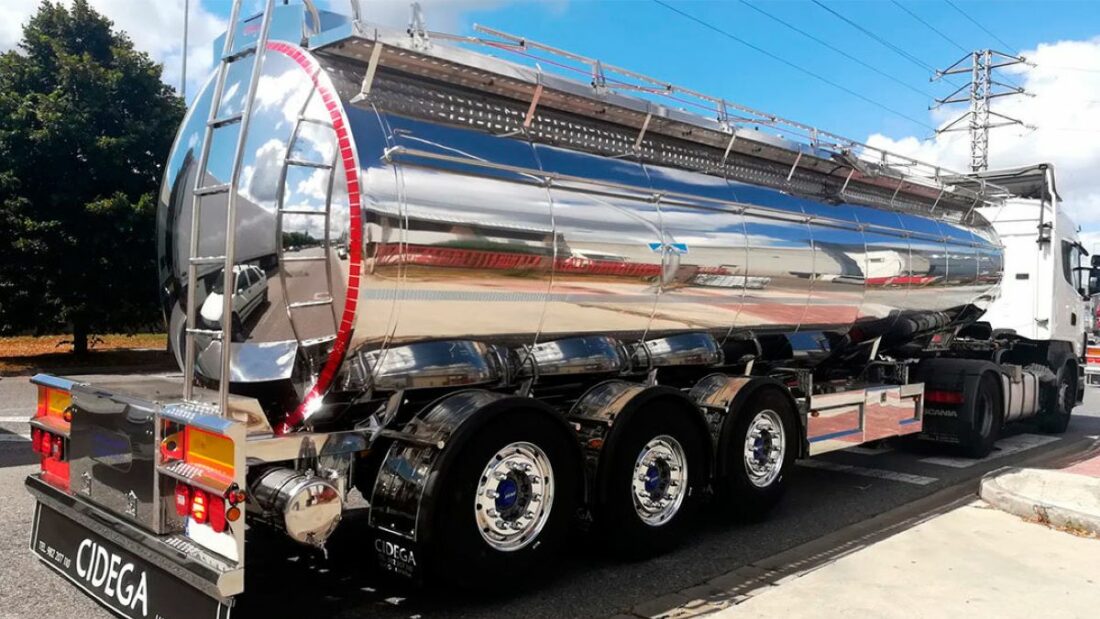 Key Facts on 44-Ton Freight Limits and Vehicle Mass and Dimension Reforms Affecting Road Transport">

Implementation Dates, Travel Documents, and Load Tolerances: What You Need to Know
The new rules surrounding the maximum permitted vehicle lengths and masses have brought widespread changes to the freight transport landscape. Understanding when these regulations come into effect and how they affect vehicle operation is essential for anyone involved in logistics and haulage.
The provisions on the maximum vehicle lengths took effect on July 24, 2025. This marks a significant milestone, setting the limits for how long cargo vehicles can legally be on the road.
Regarding the new maximum vehicle mass limits, the timeline differs by vehicle type:
- For tanker vehicles (commonly used for liquid cargo), the new regulations start on January 23, 2026.
- For other freight vehicles, including those following the euromodular configurations, the rules become effective on October 23, 2025.
Can Vehicles Carry Loads Above Their Registered Maximum Mass?
If the technical specifications allow—meaning the vehicle’s registration documents and approval codes permit it—vehicles can carry loads exceeding their previous maximum authorized mass. This is especially pertinent to articulated vehicles, where the value noted in section F.3 of the vehicle documentation must be checked.
What Happens at Vehicle Inspection (ITV) from October 23, 2025?
From this date onward, when presenting vehicles for inspection, operators should request an update to the vehicle’s technical sheet to reflect the new authorized masses—provided the vehicle can safely handle such parameters. This update applies both to the tractor unit and semi-trailer.
Is a New Circulation Permit Required?
Yes, once the new mass values are officially recorded on the vehicle’s technical sheet, obtaining a new circulation permit is mandatory to comply with the law.
Tolerances: Are They Still in Place?
The tolerances originally set by road transport legislation continue to apply despite the reform. These include:
| Type of Tolerance | Allowed Margin |
|---|---|
| Overall maximum authorised mass (MMA) for vehicles or combinations | Up to 2.5% |
| Maximum authorised mass per axle | Up to 15% per axle |
Impact on Vehicle Capacity and Related Costs
The new legislation brings an average increase in carrying capacity of 16% for articulated vehicles. In practical terms, this means a jump from a net load of 25,000 kg to about 29,000 kg.
What Does This Mean for Operational Costs?
With increased payloads comes a spectrum of additional expenses that carriers must factor in, including:
- Daha yüksek yakıt tüketimi due to increased load.
- Accelerated tire wear as a result of the heavier weight.
- Greater mechanical strain and more frequent vehicle breakdowns.
- Depreciation or lower resale value of trucks and trailers configured for 44 tonnes and similar setups like multimodal or euromodular vehicles.
- The need for earlier replacement cycles for vehicles used under these heavier conditions.
- Reduction in average travel speed, leading to fewer annual kilometers covered.
- Elevated accident risk, particularly as some operators may increase cargo height to capitalize on mass limits.
- Higher insurance costs due to the increased value per shipment.
- An uptick in personnel costs, as drivers require additional training and specialization to safely manage these vehicles.
Summary Table: Cost Changes from Increased 44-Ton Capacity
| Cost Category | Açıklama |
|---|---|
| Fuel | More fuel consumed per trip |
| Bakım & Onarımlar | Vehicle fatigue leading to higher repairs |
| Lastikler | More frequent tire replacements |
| Resale Value | Lower market value for high-capacity vehicles |
| Sigorta | Higher premiums due to increased shipment value |
| Labor | Skilled drivers required, raising personnel expenses |
| Safety Risks | Greater risk of accidents with increased cargo height |
Industry experts estimate a 10% overall increase in operating costs linked to these changes, though some costs are more complex to quantify and context-dependent.
Final Notes on Regulatory Interpretation
It is vital to highlight that official government bodies have yet to provide detailed clarifications on some nuances of the new rules. Thus, this overview serves as a guidance tool to help freight carriers and transport companies interpret the regulatory shifts and align their operations accordingly.
The Role of Tolerance Margins
Operators still enjoy certain margin allowances within limits, but adherence to updated technical documentation and permits is necessary to avoid compliance issues during inspections or roadside checks.
Why This Matters for Logistics and Freight Businesses
These regulatory reforms will ripple through the logistics sector by changing the way shipments are planned, priced, and executed. Higher permissible vehicle masses provide opportunities for increased freight loads per trip; however, they also bring greater operational complexity, cost burdens, and safety considerations.
For example, freight operators must rethink route planning accounting for possible reductions in average speed and increased maintenance intervals. Simultaneously, shipment pricing strategies may need adjustment to reflect the proportional cost increases tied to fuel, insurance, and labor.
In this constantly evolving environment, platforms like GetTransport.com excel by offering affordable, flexible, and global transportation solutions. Whether organizing office or home moves, or handling bulky freight such as furniture and vehicles, GetTransport.com provides a seamless interface for sourcing reliable cargo transport at competitive rates.
Making Informed Decisions with Real-World Experience
While insightful reviews and regulations provide a useful roadmap, there’s no substitute for firsthand experience in choosing the right transport partner. On GetTransport.com, users can arrange cargo transportation worldwide at some of the best prices available, eliminating guesswork and unnecessary expenditure.
This transparency, convenience, and breadth of options empower logistics planners and freight movers to optimize both cost and service quality, ensuring shipments reach their destinations efficiently and securely. Şimdi rezervasyon yaptırın at GetTransport.com.com.
Forecasting the Impact on Global Logistics
The introduction of the 44-ton rule and related vehicle mass reforms might not cause seismic shifts globally but remain significant within European and regional transport frameworks. Staying updated with such regulatory changes aligns with the mission of GetTransport.com to provide up-to-date, adaptive logistic services in tune with the world’s transport policies.
Bir sonraki teslimatınızı planlamaya başlayın ve kargonuzu GetTransport.com.
Sonuç Olarak
The reform of vehicle masses and dimensions, especially the 44-ton limit, marks an important evolution in road freight regulations. This change offers the potential for increased payloads and efficiency but carries accompanying challenges: higher fuel use, maintenance, safety risks, and cost inflation. Understanding timelines, documentation requirements, and tolerance margins is crucial for seamless compliance and operation.
Companies engaged in cargo shipping, freight forwarding, haulage, and distribution will benefit from an informed approach to these regulations, balancing capacity gains against operational costs and risks. Digital platforms like GetTransport.com shine as enablers in this complex logistics environment, connecting shippers with reliable and competitively priced transport services on a global scale.
Whether managing a housemove, moving bulky parcels, or arranging container shipments, embracing these reforms with the right logistics partner will smooth the road ahead in freight transport and delivery.