


 Türkçe
  English (UK)
  Русский
  العربية
  日本語
日本語  한국어
한국어  Magyar
  Español
  Čeština
  Svenska
  Português
  Ελληνικά
  Suomi
Suomi  Nederlands
  Română
  Italiano
  Français
  Polski
  Українська
  Deutsch
  简体中文
简体中文  Slovenčina
 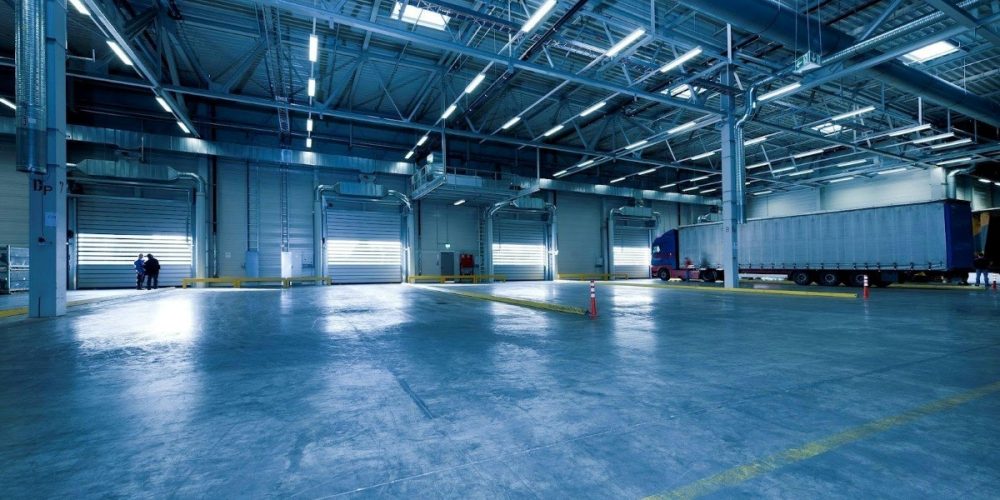 How Warehouses and Distribution Centers Can Prevent Slip, Trip, and Fall Incidents During Winter">

Winter Challenges in Logistics: The Hidden Threats
The arrival of winter means much more than just a change in scenery; for logistics hubs, it ushers in a season full of hazards that can disrupt operations if not properly managed. Snow, ice, and freezing temperatures bring a unique cocktail of risks, especially slips, trips, and falls that can compromise safety and efficiency in warehouses and distribution centers.
While many think the obvious culprits are icy pavements or snowy conditions, it’s often the little things overlooked—a leaky door seal here, untreated spillages there—that spring the biggest traps. For logistics operators, especially during peak winter months, preventing such incidents demands vigilance, smart planning, and timely action.
Sealing Entry Points: The First Line of Defense
Doors, roller shutters, and loading bays serve as gateways, but also as vulnerabilities. Over-sized loading bays, often more than 8 feet by 8 feet, can easily let in cold drafts, moisture, or snow if not tightly sealed. This not only jeopardizes product integrity through contamination or water damage but also increases safety risks and compliance headaches.
Effective solutions include:
- Regular inspection and sealing of gaps around doors and shutters.
- Use of modern barriers such as water-activated flood bags and absorbent socks to swiftly block unexpected ingress.
- Temporary seals as alternatives to traditional sandbags, offering less mess and quicker deployment.
Floor Safety: Slipping Up Is Not an Option
Wet floors laden with grit and mud become slip hazards waiting to happen. Slips and trips remain top causes of workplace injuries, and in busy logistics settings, such incidents can quickly spiral into operational setbacks.
Ignoring worn-out mats or failing to install anti-slip coverings is akin to leaving the door wide open for accidents. Staff safety and operational continuity hinge on robust floor safety measures.
| Common Floor Safety Measures | Avantajlar |
|---|---|
| Anti-slip mats at entrances and loading bays | Enhances grip, reduces fall risk |
| Regular floor inspections and immediate moisture clean-up | Prevents build-up of slippery surfaces |
| Coatings that increase floor traction | Long-term slip resistance |
Proactive floor care makes the difference between a smooth-running warehouse and one bogged down by injury-related downtime—the kind of downtime logistics companies simply can’t afford.
Spill Preparedness: Being Ready for the Unexpected
Cold temperatures can cause machinery, pipes, or tanks to crack and leak, turning minor spills into major interruptions if untreated. Without the right clean-up tools or trained employees, what starts as a drip can escalate to flooding, structural damage, or halts in freight movement.
Key precautions include:
- Strategically placed spill kits in refueling zones, loading docks, and storage areas for chemicals.
- Training staff on immediate spill response to minimize impact.
- Utilization of pipe clamps for rapid temporary fixes and leak diverters to channel drips away from sensitive inventory.
Drainage and Stormwater Control: The Unsung Guardians
Blocked drains and faulty stormwater management systems play a sneaky but significant role in winter mishaps. Ice dams forming on gutters can cause blockage, leading water to seep into walls and floors. This not only threatens the structural integrity of facilities but can also trigger flooding events that stall operations.
With nearly one in ten transport and storage entities affected by flood damage, maintenance of drainage systems is far from a luxury—it’s a necessity.
Maintenance essentials cover:
- Regular clearing of gutters, drains, and containment areas.
- Installation of drain covers or plugs before heavy precipitation to prevent pollution of nearby waterways.
- Frequent inspections especially during and after winter storms.
Staff Preparedness: Training Is the Best Armor
Even the most cutting-edge equipment won’t save the day if staff are caught unprepared. Consistent training and clear communication of winter safety protocols are essential to keep everyone alert and aligned.
Initiate safety briefings early in the season, encouraging an open culture where employees promptly report hazards. Routine “winter walkarounds” help identify emerging risks as the weather shifts.
Winter Safety Is About Anticipation, Not Reaction
The bottom line? Successfully navigating winter’s challenges in warehouses and distribution centers revolves around foresight and preparedness. When these measures become an integral part of daily operations—not just an emergency checklist—facilities mitigate damage, maintain steady logistics flow, and most importantly, safeguard their workforce.
Lojistik Üzerindeki Daha Geniş Etki
Slip, trip, and fall accidents are not just safety issues—they can ripple across the supply chain, causing shipment delays, product damages, and increased costs. Ensuring safety and maintaining operational integrity during the winter months directly supports efficient cargo transport, timely dispatch, and reliable delivery—all crucial in today’s fast-paced global logistics environment.
Summary of Key Winter Safety Measures
- Seal entry points to prevent water and cold drafts from causing damage.
- Enforce floor safety by using anti-slip materials and prompt cleaning routines.
- Prepare for spills with proper equipment and trained personnel.
- Maintain drainage systems to avoid water retention and flooding.
- Emin olun staff readiness with ongoing winter safety education.
Final Thoughts: Experience Outshines Reviews
Understanding these common winter pitfalls is vital, but there’s no substitute for seeing the difference firsthand. While reviews and feedback offer insight, personal experience delivers clarity. Platforms like GetTransport.com empower logistics operators to choose from a broad range of global transportation options at fair prices, ensuring shipments and bulky cargo reach their destinations safely even in challenging seasons.
By leveraging the convenience, affordability, and transparency offered, transport managers can make informed choices free from costly surprises or delays. Book your cargo transportation at competitive rates easily and securely to keep your winter deliveries on track. GetTransport.com streamlines logistics to keep your operations moving no matter the weather.
Looking Ahead: How Winter Safety Aligns With Global Logistics
While the direct effects of winter safety measures may seem localized to individual warehouses, they echo across the entire supply chain. Avoiding slips, trips, falls, and associated disruptions means fewer delays in freight handling, more reliable dispatch schedules, and increased confidence in shipment delivery timelines worldwide. Though these precautions might seem routine, their cumulative impact on global logistics efficiency is significant.
Moreover, with GetTransport.com continually tracking industry needs and adapting services, staying ahead of seasonal challenges becomes simpler. Start planning your next delivery and secure your cargo with GetTransport.com.
Sonuç Olarak
Winter conditions introduce multiple hazards that complicate the operation of warehouses and distribution centers. From preventing entry-point leaks to enhancing floor traction and preparing for unexpected spills, addressing these areas reduces injury risks and operational downtime. Regular maintenance of drainage and fostering well-trained, vigilant teams complete the safety picture.
By integrating these practices into daily logistics management and partnering with reliable platforms like GetTransport.com, businesses can navigate winter challenges with confidence. This approach guarantees smoother moving, shipping, and distribution even during the busiest and harshest seasons, ultimately supporting the broader goals of global freight and parcel transport efficiency.