


 Türkçe
  English (UK)
  Русский
  العربية
  日本語
日本語  한국어
한국어  Magyar
  Español
  Čeština
  Svenska
  Português
  Ελληνικά
  Suomi
Suomi  Nederlands
  Română
  Italiano
  Français
  Polski
  Українська
  Deutsch
  简体中文
简体中文  Slovenčina
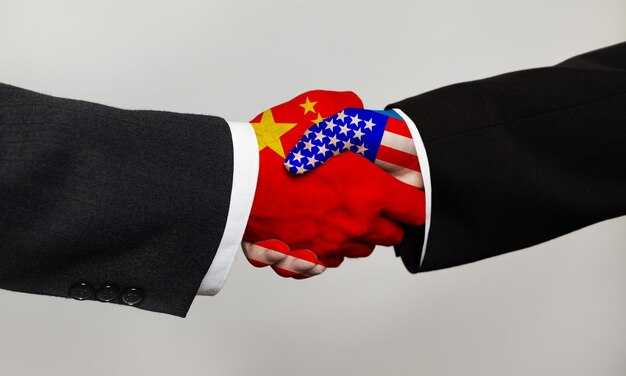
Review your cross-border supply chains now to capitalize on tariff-free goods and revised rules of origin. The bilateral agreement, signed this week, reshapes how goods move across the United States, Mexico and Canada and sets a path for the flow of commerce over the next decade.
News reports indicate that the deal is signed but must pass ratification votes in the United States, Mexico and Canada. The final decision rests with legislatures responsible for ratification, and the vote will determine the pace at which firms can adjust their operations in this bilateral framework.
The changes lay out tariff-free access for a broad set of goods, with a focus on supply chains that feed millions of customers in North America. The safeguards include enhanced security checks and better information sharing to reduce clearance times, supporting a more predictable flow of goods across borders.
For businesses, the practical steps are clear: map your supplier and customer locations, review contract terms for revised origin rules, and plan inventory buffers that align with new timelines. Expect to see a percent change in duties for some categories; identify your top three product families and verify whether their tariff-free status applies after ratification. Use regular updates from official information sources and set a quarterly review to adjust sourcing and logistics strategies.
In this news cycle, the outcome affects millions of small and medium firms and large manufacturers alike. A united message from authorities supports a stable security of supply and a more efficient goods flow. The signing signals a new phase for trade policy in North America, with clear expectations for implementation timelines and a roadmap for ratification that researchers and businesses should monitor closely.
USMCA Trade Deal: Implications for Businesses Across the US, Mexico, and Canada
Act now to align your sourcing with usmca rules and capture tariff-free goods across the three countries. Review your supplier base, confirm origin classifications, and adjust contracts to strengthen compliance and competitiveness.
The main takeaway is a reciprocal framework that nudges cross-border production and investment. Through clearer origin rules, better access to information, and joint enforcement efforts, they can flow more smoothly and reduce the risk of illegal imports. This is what keeps supply chains reliable year after year.
The 25-year-old NAFTA-era framework is replaced by usmca, a shift that tightens commitments on labor, agriculture, energy, and digital information. Since it entered into force, many businesses have revised documentation, labeling, and flow-through processes to meet new standards for goods moving across borders. Leaders tweeted about progress, while some argued that complex compliance would slow down certain flows; in practice, the goal is smoother trade for everybody rather than friction. When you plan, use this information to set realistic timelines and budget for onboarding costs.
Agriculture remains a main pillar of change. Compared with the prior regime, producers can access broader markets with clearer rules, but they must demonstrate origin for tariff-free status and maintain transparent traceability. In energy, cross-border projects gain clearer cross-border approvals and predictable timelines, which helps investors and utilities manage risk. For manufacturers and distributors, the focus is on extracting value from the flow of goods while guarding against illegal misclassification and noncompliance.
What this means for business leaders:
- Identify tariff-free opportunities by mapping your finished goods and components to USMCA origin criteria and documenting value-added steps.
- Adjust supplier agreements to reflect reciprocal obligations and provide consistent information across borders, so shipments move through customs with minimal delays.
- Invest in compliance and information systems that track origin, labeling, and documentation, reducing the chances of penalties and the need for rework.
- Coordinate with trading partners to maintain a steady flow of goods, especially in agriculture and energy sectors where cross-border timelines drive costs.
- Engage stakeholders–internal teams, suppliers, and regulators–in a proactive process to vote on policy updates and align with implementation timelines.
To act effectively, start by auditing your imports and exports to confirm status under the agreement, then revise contracts to reflect the new rules. Explain the benefits to your team and suppliers, because this concerted effort strengthens resilience against shocks and keeps your products competitive in all three markets. When you communicate the plan, emphasize transparency and timelines, and track progress against clear milestones.
Tariffs, Rules of Origin, and Compliance Milestones
Implement a phased compliance plan within 30 days, starting with a current map of supplier locations and a regional content check to identify goods that could qualify for tariff-free treatment under the new rules of origin.
Structure the rules of origin by chapter, noting that the 25-year-old framework outlines how value added and regional sourcing determine eligibility, and that certificates of origin must be prepared ahead of any potential ratification vote, which were used by customs in similar deals.
Set structured milestones to track progress: verify partner viability, attach certificates, align contracts to terms, and test the flow of information across customs, suppliers, and warehouses, with clear checkpoints and deadlines.
Address sensitive categories such as aluminium and fentanyl precursors by applying strict part-by-part traceability and rigorous supplier audits, ensuring that any change in origin status is logged and auditable, and that what constitutes compliant content is transparent.
Define stopping rules for shipments that fail origin checks, and spell out legal consequences for illegal misrepresentation; this reduces risk to workers and companies while maintaining impact on goods flow.
Keep stakeholders informed about current ratification progress, including regional vote outcomes and obrador’s position as applicable; the decision could affect tariff-free status for regional goods and influence the global supply chain. A regional approach could be cheaper than chasing global savings, but it increases the complexity of supplier coordination.
Supply Chain Reconfigurations: Sourcing, Manufacturing, and Inventory Impacts

Recommendation: shift 35% of strategic sourcing to regional partners within 12 months to reduce cross-border disruption. The mean lead time for regional suppliers drops between regional and global sources, and products remain available by maintaining them across regional plants. Run a calculated comparison of total landed cost for regional versus global options, and target the final cost to stay within 5% of today’s baseline. Source from trusted partners, track progress with a monthly dashboard, and address any gaps as soon as they appear.
Manufacturing realignment focuses on expanding capacity in regional plants to support core products. Add 2–4 lines in regional facilities and reallocate 15–20% of capacity from lower-margin items to high-volume essentials. The push is supported by voices including nancy and lopez, with some posts tweeted that this between-US-and-mexicos collaboration could shorten transit times and improve reliability. Public statements from trumps often surface in industry chatter, but the plan centers on unions, farmers, and terms that ensure compliance and avoid illegal practices. Don’t overlook free trade terms, and ensure final feasibility is backed by a clear risk register and a timeline that’s been addressed by the leadership team.
Inventory management centers on de-risking stock and improving visibility. Increase safety stock for top 50 SKUs by 20–30% and deploy VMI with regional partners to synchronize replenishment. Set reorder points using real-time demand signals and monitor on-hand, in-transit, and open POs weekly. The calculated service level target remains above 98%, with stock turns rising 12–15% within six months. Some teams are unsure about the longer-term cost impact, so run short pilots to validate savings, and address any gaps before scaling. This approach supports global resilience, keeps support for regional customers, and aligns with what buyers expect when they insist on fast, reliable delivery from mexicos and regional suppliers alike.
Documentation, Certification, and Recordkeeping for USMCA Standards

Establish a centralized documentation plan immediately that aligns with USMCA origin verification, labeling, and recordkeeping requirements; this plan becomes the main reference for information flow among mexicos and canadian suppliers.
Identify the required documents and keep them in a standardized set: terms of origin, commercial invoices, supplier declarations, certificates of production, certificates of compliance, inspection reports, and transport records. Map each item to a specific owner in the group and set a clear turnaround for updates, so audits can occur without delays.
Set a retention schedule that supports years of research and compliance. Retain origin and certification records for five years, general production data for three years, and audit trails for the same period used in vendor agreements. Store backups in secure cloud servers and keep offline copies for resilience, with access restricted to the responsible teams. Assign a lead for each group: farmers, processors, and distributors to ensure accountability.
Build a training plan with morning sessions for farmers, production staff, and union-affiliated workers to ensure consistent practices, protecting jobs and aligning with news updates. Use a simple checklist for every department, and run quarterly reviews to capture changes and news from regulators. This approach gives the main advantage of faster responses if a change affects terms or labeling requirements; it also reduces risk of noncompliance across three groups.
Institute governance for updates: designate owners, approve changes via a formal vote, and publish revised procedures. Keep information about updates, who negotiated the change, and what prompted the update, so mills, farms, and logistics partners can align quickly. Which changes require supplier notification, which require internal approval, and which timelines apply should become part of the plan.
| Document Area | Required Records | Retention (years) | Owner / Group |
|---|---|---|---|
| Origin Verification | Certificates, declarations, bills of lading, supplier attestations | 5 | Compliance & Legal / main team |
| Production Records | Lot numbers, quantities, dates, facility id | 3 | Operations & Quality Assurance |
| Certification & Audit | Certification letters, audit results, corrective actions | 5 | Kalite ve Uyumluluk |
| Training & Access | Eğitim kadroları, katılım, erişim kayıtları | 3 | İK & Uyum |
Uyuşmazlık Çözüm Prosedürleri ve Sorunların Nasıl Tırmandırılacağı
İhtilafın tetiklendiğinin tespit edilmesini takiben 10 gün içinde yazılı istişarelerinizi sunun ve incelemeyi hızlandırmak için olgusal kayıtlarınızı ekleyin. Bu ilk hareket müzakereleri ilerletir ve sorunları tırmandırmadan çözme isteğini işaret eder. Sabahki oturumlarda, ekibiniz malların ve göçün tedarik zincirlerini nasıl etkilediğine dair net verileri ve belirsizliği önlemek için bağımsız ölçümlerle sunmalıdır.
Konsültasyonlar sırasında, dokümantasyonu koruyun ve odaklı bir gündem izleyin. Kanadalı ve Amerikalı müzakereciler, obrador yönetimi altındaki Meksika ile birlikte, hangi çözümlerin kabul edilebilir olduğunu ve her tarafın hangi risklere tahammül edebileceğini tartışmalıdır. Buradaki anlaşma açık kalmaya devam ediyor: herhangi bir çözümün bağlayıcı hale gelmesi için yerel makamlar tarafından onaylanması hala gereklidir. Esasen, taraflar, ilerlemek için bir yol üzerinde anlaştılar.
İstişareler, tanımlanan zaman dilimi içinde anlaşmazlığı çözemezse, bir panel oluşturulması için resmi bir talepte bulunun. Süreç, panelistleri atamak ve duruşmalara başlamak için genellikle 60 gün tanır. Panelin bulguları bağlayıcıdır ve çözüm yolları, mallardaki aksamayı en aza indirecek ve tedarik zincirlerinizi sürdürecek şekilde, her sektör üzerindeki yüzde etkisine dikkat edilerek hesaplanır. Bu önlemler, aksamayı minimumda tutmak için kalibre edilmiştir.
Bir panel raporu yayınlandığında, her iki taraf da belirli gerekçelerle sınırlı itirazlarda bulunabilir; uyumsuzluğun devam etmesi halinde, tavizleri durdurmak gibi geçici önlemler uygulanabilir veya alternatifler üzerinde müzakere edilebilir. Diplomasi tercih edilen yol olmaya devam etmektedir; birçok sorun, yaptırımlar gerekli hale gelmeden müzakereler yoluyla çözülmektedir. Sendikalar da dahil olmak üzere hükümetlerin ve paydaşların ortak cephesi, zamanında uygulamayı güçlendirmektedir.
Paydaşları bilgilendirin ve nötr tepkilerden kaçının. Resmi kanallar aracılığıyla tweetlenenler piyasa beklentilerini şekillendirebilir; bu nedenle, etkilenen firmalar için hızlı, gerçeklere dayalı güncellemeler ve net bir eylem planı sunun.
Operasyonlarınızı korumak için ileriye dönük bir plan sürdürün: maruziyeti ve talebi izleyin; tedarikçileri çeşitlendirin; ve özellikle bir aksaklık üretim hatlarını etkilerse, iş gücü için göç olasılıklarını değerlendirin. Mallarınızın yaklaşık yüzde 15'i tek bir sınır ötesi rotaya bağlıysa, riski azaltmak için şimdiden alternatifler belirleyin.
Onay zaman çizelgeleri yargı bölgelerine göre değişiklik gösterir ve müzakereler devam ederken anlaşmalar yürürlükte kalır. İleriye dönük ivme, avantaj elde etmenize ve müşterilerinize hizmet vermeye devam etmenize yardımcı olur. Kanada, Amerika ve Meksika ekiplerinin - obrador'un liderliğinde - birleşik yaklaşımı, sabah sevkiyatlarında aksamaları önlemek ve sendika temsilinizi güvence altına almak için çok önemlidir.
KOBİ Fırsatları: USMCA Kapsamında Erişim, Pazara Erişim ve Mevzuat Uyumlaştırması
KOBİ'lere hitaben, somut kazanımlar elde etmek için tedarik zincirinizi USMCA menşe kriterlerine göre haritalandırın ve ilerlemek için gerekli beyanları tamamlayın. Bu, sınır gecikmelerini azaltır ve küresel ölçekte ortaklarla bağlantı kurarken rekabet gücünüzü artırır. KOBİ'lerin somut adımlar atmaya başlamak için büyük bir reformu beklemesine gerek yok.
Erişim ve Pazara Erişim KOBİ'ler, uygunluğu açıklığa kavuşturan ve sınır sürtünmesini azaltan KOBİ bölümünü de içeren yapılandırılmış bir çerçeveden yararlanır. İkili ABD-Meksika şartları, menşe doğrulamasını basitleştirir ve küçük gönderiler için gümrük işlemlerini hızlandırır; Kanada ise sınır ötesi bir boyuttur. NAFTA'dan farklı olarak, USMCA geliştirilmiş KOBİ hükümleri sunar. Girdileriniz alüminyum içeriyorsa, muafiyete hak kazanmak ve son aşama sürprizlerinden kaçınmak için menşeyi doğrulayın. Kuralların pratikte nasıl uygulandığı konusunda güncel kalmak için teknik incelemeleri gözden geçirin ve bir konferansa katılın. Emin değilseniz, ticaret danışmanınıza başvurun.
Mevzuata Uyum Ürün standartlarını, etiketlemeyi ve uyumluluk uygulamalarını USMCA gereksinimlerini karşılayacak şekilde uyumlu hale getirin. Uygunluk değerlendirmelerini, tedarikçi beyanlarını ve gümrük belgelerini izleyen tek bir yönetişim takvimi oluşturun. Düzenleyiciler ve ortaklarınızla tekrarlanan adımları ortadan kaldırmak, akış gecikmelerini azaltır ve daha sorunsuz sınır ötesi hareketi destekler. KOBİ'ler için, uygunluk değerlendirmesinin karşılıklı tanınmasının mevcut olduğu durumlarda takip edilmesi, mükerrerliği azaltır ve pazara giriş süresini hızlandırır. İmalat, lojistik veya hizmetlerde faaliyet gösteriyor olsanız da, iki taraf arasındaki uyum, daha net yükümlülükler ve sınırda daha az sürpriz anlamına gelir. Ticaret yetkilileri tarafından atılan bazı güncellemeler, hızlı bir şekilde uyum sağlamanıza yardımcı olabilir.
Yapılandırılmış KOBİ eylem planı Alüminyum bileşenler de dahil olmak üzere ürünleri haritalandıran ve sınıflandıran üç aşamalı bir plan oluşturun; önemli Meksika ve ABD tedarikçileriyle pilot menşe beyanları ve tedarikçi anketleri düzenleyin; dijital araçlar ve özel bir KOBİ irtibat görevlisi aracılığıyla ölçek büyütün. Alıcılar, düzenleyiciler ve ortaklarla ağ kurmak, böylece pratik örnekler paylaşmak ve neyin işe yaradığını ilan etmek için bir konferansa katılın. Katılımcılar ilerleme kaydettiğini beyan etti ve çıkarılan dersleri belgeledi. Müzakereleri izlemek ve planı gerçekler değiştikçe ayarlamak için üç aylık değerlendirmeler belirleyin.
Sınıflandırma veya belgeleme konusunda emin değilseniz gönderilerden önce rehberlik alın. Doğru ürün açıklamalarını ve menşe kayıtlarını tutun ve tüm beyanları güncel tutun. Alıcılar veya yetkililerle müzakereler yapıldığında, nihai belgelerin kararlaştırılan şartları ve belirtilen menşei yansıttığından emin olun. Ortaklarınızla disiplinli bir bilgi akışı, izlenebilirliği destekler ve uyumluluk riskini azaltır.