


 Українська
  English (UK)
  Русский
  العربية
  日本語
日本語  한국어
한국어  Magyar
  Türkçe
  Español
  Čeština
  Svenska
  Português
  Ελληνικά
  Suomi
Suomi  Nederlands
  Română
  Italiano
  Français
  Polski
  Deutsch
  简体中文
简体中文  Slovenčina

Establish a baseline map of representatives across the global value chain and set a target to increase underrepresented roles by 30% within two years. This action will give organizations a framework for monitoring progress, according to policy frameworks that require transparency about who sits in decision-making positions, who earns fairly, and who reports abuses.
To operationalize, establish governance that uses a framework to gather data across актори–suppliers, manufacturers, logistics providers, and service partners–and publish brief cases illustrating how policy supports underrepresented voices. Use this evidence to adjust criteria and to assess pay equity, while creating safe channels for reporting abuses.
Evidence from mcgoverne projects shows that when актори adopt a formal convention, the result is sustained improvements in representation and governance; implement cross-functional review boards, and ensure ongoing monitoring of supplier methods with public dashboards, while sharing learnings across the network.
While scale grows, establish a 12-month plan to train managers on inclusive leadership, with coaching for representatives in procurement and operations. Use a global framework to align supplier requirements, and require organizations to perform a quarterly assess of parity progress against a standard template. The result is predictable, verifiable progress and a decrease in abuses throughout the network.
Organizations should set up a cadence of external audits and transparency commitments to keep monitoring robust; gather feedback from workers and suppliers, and codify learnings into contracts so that parity becomes a measurable, long-term outcome rather than a ticking box.
Career and Development Across the Supply Chain: Practical Guidelines

Implement a formal mentorship program throughout the site at all levels to map clear career paths from operators to site leadership. Identify ways to link mentorship outcomes to promotions.
A development plan, with collected data, provides a framework for fair progression, while preventing harassment and sustaining a safe working environment. Maintain responsive coaching and minimize bias by standardizing assessments.
Require factories to establish procedures for career development, with clear steps published to members, and use sedex information to monitor compliance across cambodia sites.
Define what opportunities exist around product lines such as coffee, and ensure training is accessible to all site members.
Wages data collected through audits informs decisions and helps minimize disparities; track progression against defined bands and keep information accessible to workers.
Publish information on career tracks, qualifications, and what roles require specific skills; recommended steps are included; ensure it is available in multiple languages on a responsive site.
Implement contact points for employees to raise concerns directly to factory leadership, with clear dispute resolution timelines and transparent communication. Monitor harm reduction and support swift remediation through well-established procedures.
Fair Hiring Practices Across Tiered Suppliers
Implement a mandatory, auditable code of conduct for all tiered partners that requires transparent hiring standards, clear role disclosures, and a grievance mechanism with timely remedies for harassment or bias.
Data shows gaps: particularly among mid- and lower-tier groups, policy adoption is lower and grievance channels are scarce; to reduce harm, publish job requirements in multiple languages, ensure accessible channels, and leverage union support for remedies; postings should use inclusive language and avoid biased terms to expand access and opportunity for applicants.
To drive action, implement a concise 90-day rollout: map all segments, define auditable hiring metrics, train recruitment teams, establish a single grievance portal, and track progress with assessments; set up data collection that protects privacy, develop dashboards, and use findings to refine language, screening criteria, and selection steps; bias checks must be embedded in the review cycle and remedies taken without delay.
| Tier | Policy Adoption | Grievance Channel | Avg Remedy Time (days) | Training Coverage |
|---|---|---|---|---|
| Top tier | 68% | 90% | 22 | 78% |
| Mid tier | 52% | 42% | 30 | 60% |
| Lower tier | 39% | 28% | 35 | 45% |
Mentorship and Sponsorship Programs for Women and Non-Binary Talent
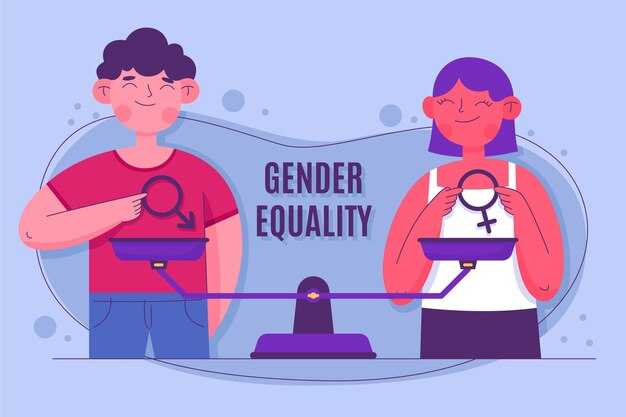
Launch a formal mentorship and sponsorship program with 1:1 mentor-mentee pairs and senior sponsors, anchored by a 12‑month plan, clear responsibilities, and a binding contract. Enroll 60 participants in year one, prioritizing women and non-binary talent, with sponsors delivering at least two high-visibility assignments per entrant annually. Track progress quarterly and publish public reports.
What works: Identify different career tracks, establish milestones, and base decisions on a visibility score that tracks progress. For each enrolled participant, inventory projects they worked on and assess impacts on career progression. Use transparent criteria to ensure the same access to sponsorship, preventing bias. Public reports and whitepapers should summarize outcomes; often, data show higher mobility for those who engaged in formal sponsorship.
Integrate this program with talent development, performance reviews, and succession planning. Define clear responsibilities for mentors and sponsors in a contract; align coaching with performance cycles; addressing of issues via a confidential channel for complainants; ensure support for participants when roadblocks arise.
Publish learnings to public audiences via quarterly whitepapers and annual reports; articulate societal benefits and a scalable model for other teams. Integrate insights into onboarding and training; use enrolled and outcomes data to inform resource allocation. The mcgoverne framework informs governance, helping to make measurable progress and strengthen visibility across teams.
Transparent Career Paths in Procurement, Manufacturing, and Logistics
Publish a transparent, tiered career ladder for roles in procurement, manufacturing, and logistics, with published criteria, required competencies, and time-bound milestones, plus a public-facing map of promotion steps from entry to senior levels.
Use a quarterly, anonymized questionnaire to collect feedback on perceived barriers to progression, and merge insights with data on promotions, training participation, and role openings; set a measurable target to increase representation in higher bands by 15% within two years; monitor progress with a simple dashboard.
Integrate with tailored development plans for each function family: procurement, manufacturing, and logistics; include mentoring, cross-functional rotations, on-the-job training, and job-shadowing; ensure managers undertake accountability to sponsor advancement; anchor the process in a competency framework and the implementation of a policy that standardizes promotions.
Establish a robust grievance mechanism and dispute handling: provide a confidential channel; require an investigation by a neutral panel when concerns arise; protect complainants; ensure timely resolution; document outcomes to prevent recurrence.
Engage suppliers in alignment with transparent growth paths: include job postings and training requirements for supplier-facing roles; require suppliers to offer similar development opportunities and accept feedback; leverage oxfams guidance to standardize practices; track supplier participation in development plans.
Set up governance and oversight: an internal body with union representation; they influence resource allocation and policy updates; monitor implementation with regular reports; use grievance and investigation data to inform improvements in workplace access to opportunities.
Measurement and data collection: include useful metrics such as time-to-promotion, training hours, selection rates for key roles by function, and results from the questionnaire; use these data to identify root causes and undertake targeted adjustments to the program; the plan includes responsible owners and a clear implementation timeline, promoting equality in access to growth opportunities.
Bias-Resistant Promotion and Succession Planning
Start with a transparent program that minimizes subjective judgments and reduces adverse outcomes for candidates across worksite locations. Build a series of objective criteria: performance data, leadership potential, role-fit, and readiness for expansion. Use a well-documented, standardized template for identifying candidates across organizations, compiling data from quarterly reviews, project outcomes, and certifications. Ensure panels include diverse members with broad perspectives to improve understanding of individual contexts and to prevent bias in decisions, over multiple cycles.
Adopt governance that includes prevention measures: documented rules, mandatory bias training for reviewers, and checks to ensure decisions are based on measurable results. The framework includes measures to address disparities in promotion and adjust development plans accordingly, without stereotyping. Start development early with mentoring, stretch assignments, and targeted learning modules that span multiple worksite sites, so different groups gain visibility and skills. Provide additional support to high-potential staff and encourage mobility within and between sites through a structured succession program.
Measure impact with a dashboard that tracks over time: time-to-promotion, rate of successful moves, and representation in leadership roles. Use a quarterly scorecard to monitor adverse trends and ensure continuous improvement. Ensure understanding among leaders and know the causes of inequity, then adjust the plan with input from community networks and site representatives. Encourage cross-site sharing of best practices and lessons learned, adapt the approach to the different contexts of each worksite, and document a series of case studies to demonstrate outcomes.
Accessible Skills Training and Development Opportunities
Start with a centralized, auditable upskilling framework accessible to all workers at each worksite, aligned with a convention of learning outcomes for roles in various sectors. This method requires clear procedures, a platform for content, and dedicated resources to support learners with diverse needs. The approach helps reduce bias in selection, address causes of skill gaps, and enables progression, making outcomes above mere compliance, and it applies in the workplace as well as on field sites.
- Undertake a needs assessment at each worksite to identify gaps by function and sector, including safety-critical roles and supervision.
- Design a tailored, modular curriculum that uses a blended method: hands-on practice, microlearning, simulations, and coaching, to make content accessible in multiple languages and formats.
- Establish start-to-finish procedures for enrollment, prerequisites, accommodations, and progress tracking to minimize bias and ensure equal opportunity where there are barriers.
- Allocate resources for mentoring, on-the-job training, and access to digital and printed materials; ensure flexibility to cover shifts and remote sites.
- Define indicators to measure impacts: completion rates, time-to-proficiency, applicability on the worksite, changes in error rates, and improvements in voluntary retention.
- Map action plans with clear milestones: then review quarterly, adjust content, and report results to stakeholders.
- Link training to positions and career ladders, enabling promotions and new responsibilities for those who complete modules.
- Build a bias-mitigation framework: standardized assessments, anonymized candidate pools, and diverse trainer pools across sectors; ensure the play of voices from different sites.
- Develop materials and platforms that are accessible, linguistically appropriate, and culturally inclusive, including translations and captioned content.
- Track impacts such as safety incidents, rework rates, productivity gains, and any harm to workers to demonstrate value to the workplace.