




Invest in targeted, advanced fulfillment now to turn grocery e-commerce into a durable advantage for retail. This concrete direction answers the question with action: not a passing trend, but a capability that scales with demand.
In europe, online grocery penetration rose from single digits before 2020 to about 15-25% in 2023-2024. In many markets, same-day delivery options expanded in metro areas, and retailers sharpened targeted recommendations to customers, while maintaining the same service level to protect habits and loyalty.
This introduction to the topic outlines core dynamics: the disruptive pull comes from speed, transparency, and the ability to deliver in areas where grocers never competed before. The strength of grocery e-commerce lies in how grocers themselves combine online orders with in-store fulfillment, creating seamless experiences for customers while coordinating with suppliers and retailer networks. Others in the value chain adapt or fall behind.
Recommendations you can implement now include: 1) building advanced forecasting and demand sensing, 2) enabling whole-store fulfillment with cross-docking, 3) creating targeted delivery windows by areas, and 4) running europe-wide pilots to validate cross-border capabilities. Track KPIs such as order accuracy, delivery time, return rate, and fulfillment cost per order to measure progress.
Across europe and beyond, adopting these practices improves resilience against shocks and strengthens margins for retailer operations. By aligning habits with service levels and delivering reliable experiences, grocers can transform a potential hype into a steady source of competitive advantage, while making smarter choices about capacity, inventory, and partnerships with suppliers.
Trends and Disruption Signals in Grocery E-Commerce
Adopt a data-driven, consumer-first fulfillment model to lift profitable growth within 12 months: integrate ordering, inventory, and last-mile delivery to reduce waste and raise delivered accuracy. Make experiences enjoyable and seamless across app, web, and in-store pickup to keep the shopper engaged here.
Here are trends and disruption signals shaping grocery e-commerce today:
- Experiences across channels drive loyalty: a seamless path from discovery to checkout with personalized offers and helpful content converts visits into orders and encourages repeat purchases.
- Systems enable speed and accuracy: integrated ERP, WMS, and TMS with real-time visibility could reduce stockouts by 20-30% and cut waste by 10-15% in major markets; analyzing orders, returns, and inventory supports making faster, data-driven adjustments.
- Media and promotion analytics respond quickly: analyzing data from on-site and off-site media improves targeting, resonates with consumers who seek quick, reliable orders, increases share of wallet, and lowers customer acquisition cost.
- Prepared for uncertainty: cross-trained teams, flexible capacity, and reserve micro-fulfillment in urban areas ensure higher service levels during peak periods.
- Supply chain resilience with suppliers: collaborative forecasting and early access to demand signals helps suppliers align production and inbound delivery, improving on-time delivery rates.
- Delivered performance and automation: dynamic routing and automated sorting at hubs support cost reductions and faster delivery windows; drones enter trials in select cities for last-mile efficiency.
- Advanced packaging and waste reduction: packaging optimized for transport and shelf life lowers waste while maintaining product safety and quality.
- Period of experimentation continues: pilot programs with curbside pickup, 2-hour delivery windows, and micro-fulfillment tests measure profitable KPIs before scale.
- Map the shopper journey and set metrics for conversion, share of wallet, and rate of repeat purchases; link each metric to a data-driven initiative.
- Invest in integrated systems and real-time visibility across supply, orders, and delivery; start with a 90-day pilot in a high-demand segment to quantify waste reduction and delivered accuracy gains.
- Launch pilots for micro-fulfillment and drone delivery in suitable urban areas; measure capex, opex, and customer satisfaction to determine profitability.
- Partner with suppliers on forecast sharing and early production signals; align promotions to reduce stockouts and optimize cost per delivered order.
- Enhance experiences with media-rich, personalized content that guides shoppers to prepared meal kits and staples; track conversion and cost per acquired customer.
Assessing Sustainable Growth: Online Grocery Demand vs Seasonal Peaks
Start by building a data-informed forecast that blends weekly demand signals with local seasonality, then lock in flexible delivery slots in the region. For retailers, this means shifting from a one-size-fits-all plan to a region-aware approach that adapts to local traffic, holidays, and weather. In practice, create two load forecasts: one for base demand and one for peak windows, and run a daily comparison against orders and deliveries. jacob, an analyst in a mid-size chain, ran a pilot in three areas and saw a 12% lift in fulfilled orders when he opened two micro-fulfillment nodes closer to customers. Similar patterns emerged in other regions, where improving routing reduced last-mile miles by 18%. Build a dashboard that tracks store inventory, online orders, and delivery performance by region, so the head of supply can act quickly. This data-informed view helps you gain visibility into where service levels slip and what actions avoid them. Choose fulfillment options which balance speed and cost.
Seasonal peaks drive pronounced spikes in online orders, which often occur around holidays. For example, in December, a region recorded a 22% increase in orders over November, with deliveries to suburban areas rising more than 15% due to traffic patterns and shopping bursts. To manage this, adjust inventory thresholds and pre-stage popular items in micro-fulfillment centers two days before expected peaks.
Build a scalable network that adds micro-fulfillment near dense shopper zones, while keeping a lean core to serve quick-turn requests. Map demand by area rather than relying on national averages, and give the head of logistics a clear playbook: allocate capacity across nodes, run cross-docking where possible, and rotate assortments based on local patterns. This gives the head direct control over capacity allocations. Run experiments to compare layouts and routing options, then use the results to tighten replenishment cycles and reduce stockouts during peak weeks.
Close the loop with a quarterly review that ties fulfillment timing to customer satisfaction, focusing on orders fulfilled within promised windows, average delivery time, and return rates by region. By keeping the flow data aligned with regional realities, retailers can sustain growth, improve margins, and better serve customers across areas.
Fulfillment Playbooks: Dark Stores, Micro-Fulfillment, and Last-Mile Speed
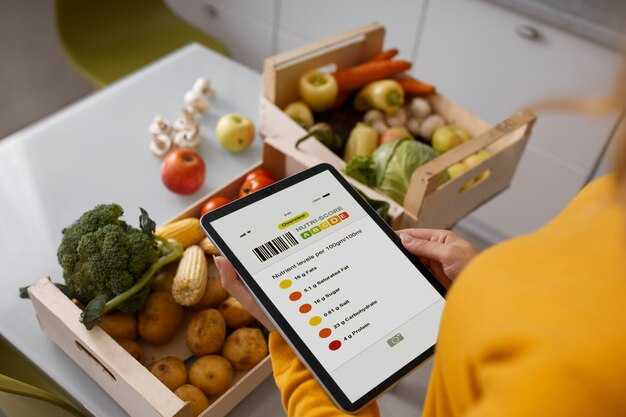
Begin with a dual-track plan: deploy micro-fulfillment centers in dense urban regions to slash last-mile times, and establish dark stores in regional hubs to preserve control of inventory across items and regions.
Key drivers include urban density, item mix, and region demand. For retailers in Europe, shape the plan around two capabilities: speed and inventory accuracy. Dark stores cover regional demand for high-frequency items, while micro-fulfillment serves time-sensitive orders from within city boundaries. Pricing decisions should be guided by capturing a larger share of orders while containing costs, including labor and energy expenditure.
Table below compares practical options, with typical footprints, capex, opex, last-mile speed, strengths, and region fit to help you target investments with a razor-thin margin mindset and clear ROI signals.
| Model | Footprint | Capex per site (EUR) | Opex per month (EUR) | Last-mile speed | Strengths | Region fit |
|---|---|---|---|---|---|---|
| Dark stores | 2,000–4,000 sq ft | 0.5–1.5M | 40k–120k | 40–120 min regional | Strong inventory control, scalable regional reach | Urban and regional Europe |
| Micro-fulfillment | 1,000–2,500 sq ft | 0.3–1.0M | 30k–90k | 15–60 min in dense metros | Close-to-customer fulfillment, fast iteration | High-density cities in Europe |
| Centralized hub | 20,000–200,000 sq ft | 2–10M | 100k–300k | 2–6 days | Lower per-item costs, broad assortment | Region-wide coverage |
According to regional pilots in Europe, retailers are seeing costs per order drop roughly 12–28% and frontline utilization rise by 30–50% when combining micro-fulfillment with dark stores.
Implementation steps focus on staged investments, clear ownership, and rapid learning. Map dense regions, choose two pilots (one dark store and one micro-fulfillment site), and deploy scalable technology with automation where ROI supports it. Set SLAs, monitor on-time delivery, item accuracy, and packing time, and review ROI quarterly. Scale to additional markets as targets are met. Influencers in retail technology can help validate the business case and speed adoption, while razor-thin pricing helps maintain demand during expansion.
Personalization in Shopping: From Browsing to Basket, What Boosts Conversions
Recommendation: Deploy a data-driven, real-time personalization engine that tailors surfaces from browsing to checkout, delivering tailored recommendations and offers across on-site and email channels. Start with a hybrid model within four weeks to mitigate waste and costs and to deliver measurable lifts in conversions. This could be implemented without overhauling current processes.
By aligning items to user habits and values, you create an enjoyable shop journey. Use signals such as recency, frequency, monetary value, wishlist items, and on-site actions to craft contextual prompts. A critical goal is to shorten the path from browse to basket while avoiding clutter. Here are concrete steps to progress:
- Signal sources: unify website behavior, transaction history, and warehouse data to form a single data-driven profile for each user; ensure consent and governance to protect the name and sensitive data.
- Tailored experiences: page-level banners, product recommendations on search results, and cart nudges that reflect the shopper's habits; show one or two highly relevant items rather than a long list to avoid waste of attention.
- Hybrid delivery: combine on-site prompts with personalized emails or push messages that reference items recently viewed, saved, or added to cart; deliver a cohesive experience across touchpoints.
- Testing and metrics: run A/B tests weekly; track add-to-cart rate, checkout rate, and average order value; aim for an 8-15% lift in add-to-cart, 5-10% lift in checkout, and 3-6% uplift in average order value; monitor costs and processes to survive market pressure quickly.
- Regional and cross-sell strategies: tailor to market nuances, e.g., south regions may prefer curated brands; deploy another set of tailored prompts for new customers to increase early engagement.
Advancements in ML and automation enable rapid improvements; align projects with business goals and ensure quick wins. Successful personalization requires teams across marketing, product, and operations to collaborate. By tracking metrics and iterating, you turn data-driven insights into concrete actions that reduce waste and deliver results. Everyone benefits when processes are streamlined and values are reflected in recommendations.
Privacy-First Personalization: Data Practices that Build Trust

Turn on consent-first, on-device personalization to deliver targeted experiences without sending raw data to the cloud. Collect only what users explicitly permit, store it briefly, and replace it with anonymized signals whenever possible. Seek clear consent, show options in simple policy terms, and let users opt out at any time.
Publish a privacy paper that defines collection, retention, and controls. Data practices must rely on signals from users rather than broad tracking, and base analytics on aggregated cohorts drawn from countries across the south to reduce exposure. Systems designed for on-device filtering and privacy-preserving analytics help maintain accuracy while protecting shoppers.
Enforce strict retention: keep non-essential data for 30 days, then purge; implement role-based access, MFA, and encryption in transit and at rest. Provide a one-click data export and erase flow; turning off unused data reduces risk and increases transparency.
In product flows, tailor personalization for pickup and home delivery with explicit consent. For electronics and other high-value products, avoid data sharing with vendors unless consent is granted. This approach keeps systems lean and reduces lack of trust among customers who already look for control over their data.
Measure impact with concrete metrics: consented targeted campaigns can lift conversions by 5–15%; data volumes shrink by 25–40%; on-device features improve efficiencies and page load speeds by up to 20%. Track search quality and recommendation relevance to ensure youre delivering value without compromising privacy.
Grow responsibly by aligning with regulation in each country, using a clear data-privacy policy and transparent controls. The источник of truth for practices should be a living guidance document updated with stakeholder feedback, audits, and customer input; thanks to ongoing collaboration, customers feel theyre heard.
Look to growing markets for privacy-first personalization by basing decisions on user consent and tangible benefits. This approach helps reduce friction, improves trust, and supports a sustainable e-commerce model across home goods, electronics, and other products from sellers worldwide.
Omnichannel Logistics: Click-and-Collect, In-Store Pickup, and Delivery Bundles
Implement a unified omnichannel logistics platform that synchronizes inventory in real-time and creates delivery bundles for deliveries, supporting reducing trips and boosting satisfaction. Real-time visibility within stores and warehouses lets teams respond to demand fluctuations instantly, especially for groceries.
Enable Click-and-Collect across key stores with a clear online-to-offline handoff. Customers schedule a pickup slot and collect items within minutes, while automated alerts keep them informed.
Set up in-store pickup with dedicated lanes and mobile checkouts; razor-thin pickup windows reduce idle time and improve the experience, helping customers get their orders quickly.
Delivery bundles optimize routes by bundling items that typically ship together, lowering last-mile costs and increasing satisfaction. Bundling reduces the number of deliveries per trip and accelerates fulfillment, and a smart push toward bundled options helps in regions with tight service windows.
Analytics and reporting: track a critical report on per-region performance, pickup versus delivery shares, and overstocking risk. Use real-time dashboards to manage stock levels and adjust assortments, and learn what customers prefer in bundles.
Challenges: accurate inventory, mis-picks, and last-mile variability are common; as orders grew, coordination across stores became more complex. This does not mean chaos; it does require disciplined processes and clear ownership.
To satisfy diverse preferences, offer personalized bundles that mix organic produce with pantry staples. Customers who are willing to pay for convenience prefer streamlined options, and this greatly improves satisfaction.
Implementation plan: launch a three-store pilot in a targeted region, monitor real-time adoption, and scale over two quarters. Align with suppliers to ensure shelf-ready items for bundles and set a clear SLA for pickup and delivery windows. Use a rollout checklist to implement standards and training.