


 Українська
  English (UK)
  Русский
  العربية
  日本語
日本語  한국어
한국어  Magyar
  Türkçe
  Español
  Čeština
  Svenska
  Português
  Ελληνικά
  Suomi
Suomi  Nederlands
  Română
  Italiano
  Français
  Polski
  Deutsch
  简体中文
简体中文  Slovenčina

Lock cocoa forwards for 12 months and renegotiate supplier terms now to stabilise margins, because volatility in cocoa prices remains elevated under current conditions.
In this context, cocoa futures have moved roughly 25-35% higher over the past year, with volatility spiking as weather shocks and farmgate yields shift, creating more uncertainty for Mondelēz and Hershey. The commodity backdrop makes margins thinner, so brands must buck volatility rather than chase it, and businesses should plan for a price pass-through if costs rise. This approach brings greater transparency to budgeting and helps protect a million pounds in annual margin in stressed scenarios.
Дії, які потрібно вжити include establishing dual sourcing in major origins, locking long-term contracts, and implementing hedging programmes to stabilise cash flows. Add peppermint SKU variants for seasonal demand and diversify channels to maintain volume while absorbing cost shocks. Carry out procurement reforms swiftly to prevent bottlenecks, and добавить Contingency pricing for retailers in high-visibility products.
Beyond hedges, improve operational efficiency by centralising procurement, renegotiating packaging and logistics, and building a real-time dashboard that tracks cocoa volatility, currency shifts, and freight rates. This enables action within weeks, not months, and helps defend margins against a rough swing that could impact around a million dollars of annual profit in a stressed year.
Over the longer term, redefine sourcing strategies, establish sustainable farming partnerships, and maintain a transparent cost-structure narrative with consumers. The plan positions Mondelēz and Hershey to respond to continued price spikes, whilst preserving product quality and brand value in a volatile context.
Overview of the persistent cocoa price spike and its effects on two global snack behemoths
To lessen the impact now, secure cocoa by rolling forward contracts and diversify origin sources across Ivory Coast, Ghana, and alternative regions. This planning would reduce instability in the ingredient costs and help Mondelēz and Hershey weather the high cocoa price environment. Both companies should act quickly to lock in margins and stabilise production costs.
The persistent price spike stems from a mix of rainfall variability, winter harvest cycles, disease pressures, and speculative flows. Cocoa futures have risen to multi-year highs, and around 60% of global supply is produced in Ivory Coast and Ghana, where rainfall patterns and harvest timing shape output. Production slows when rainfall is irregular or excessive, and diseases such as black pod add to the cost pressure, reflecting multiple factors that drive prices higher.
For Mondelēz and Hershey, the consequences show up in margins, pricing, and portfolio changes. They respond by prioritising high-margin, cocoa-intensive SKUs, trimming lower-return lines, and tightening planning across the supply chain. The realities of sourcing across multiple origins create complexities that require careful supplier audits and robust price-risk tools; the giant Mondelēz and Hershey experience pressure as they balance cost management with targeted content strategies to maintain brand value.
Industry observers say the burden is inequitable, with farmers bearing much of the price swings while the giants hedge portions of risk. The article says that price changes are linked to weather-driven supply constraints and speculative momentum across markets. Mondelēz and Hershey confront national and regional programmes to maintain supply reliability while protecting consumers from abrupt shifts.
Practical steps for 2025 include strengthening disease control and irrigation in key growing regions, expanding diversified sourcing, and adopting longer-term hedging that aligns with harvest calendars. Companies should sharpen supplier audits, compress lead times, and invest in supply chain analytics to anticipate changes in production and rainfall patterns. This approach would reduce volatility in ingredient costs and protect margins for both companies and their workers around the world, say industry voices and aligns with changes in market dynamics.
Cocoa Price Drivers: What Prolonged Spike Means for Costs
Address cocoa price volatility now by locking in 6–12 month hedges and strengthening the supply network to protect confectionery margins.
Current dynamics are challenging for costs, as a prolonged surge in cocoa prices weighs on input bills across the chain. Here are the primary drivers shaping next-quarter costs:
- Weather and crop health: drought and disease affect trees and reduce crops, with West Africa producing about 70% of global beans; production could fall 5–15% this season in affected regions.
- Price momentum and market structure: cocoa futures surged from roughly 2,800 USD/tonne a year ago to the 3,500–3,900 USD/tonne range recently, increasing raw-material costs for confectionery players. Currently, prices sit near multi‑year highs, and suppliers weigh these risks into contracts.
- Supply chain costs and street logistics: freight, energy and packaging costs have risen; street-level delivery and retailer logistics add a variable load to landed costs.
- Farm economics and development: higher prices can temporarily boost farmer income, but long‑term yields depend on replanting and sustainable practices; Michele from the sourcing team notes that producers are developing programmes to keep trees productive and secure supply next harvest.
- Policy and macro factors: currency shifts, inflation and regional policy affect cocoa pricing and delivery; the next harvest window will test resilience.
- Documentation and data: For content to review, use the latest report to align procurement; track experience and adjust forecasts accordingly.
To manage costs effectively, consider these concrete steps:
- Secure next-season cocoa contracts with multiple growers to stabilise absorption of price swings.
- Expand supplier network across Ivory Coast, Ghana, and reputable co-operatives to reduce dependency on a single origin.
- Use price collars or hedging strategies that cap downside whilst preserving upside opportunities.
- Invest in farmer partnerships and replanting programmes to maintain tree health and crop quality, balancing short-term costs with long-term production reliability.
- Optimise production planning and packaging to align with cocoa availability, preserving confectionery quality and minimising waste.
- Keep a close eye on currency and freight trends, adjusting supplier terms and inventory buffers as prices evolve.
Currently, Michele emphasises a balanced approach: address the spike while preserving supply continuity, and maintain hope that data-driven actions will stabilise costs without harming production. The report highlights a path that confronts the surge while preserving the street-ready experience for consumers. контента просмотреть and adjust the plan as needed to keep production on track and margins intact.
Brand Margin Exposure: Where Mondelez and Hershey Are Most Affected
Recommendation: Use hedging last to lock in cocoa costs and implement targeted price re-pricing across stores, aiming for 60-70% hedge coverage over the next 12 months to protect best-margin lines and deliver lasting gains.
Across the entire cocoa sector's pressures, the strongest margin exposure is with premium bars and multipack SKUs that have higher input costs. Mondelez and Hershey are facing the heaviest impact in Western markets and other countries with a high cocoa intensity, while emerging markets are shifting some pricing power towards producers and suppliers. Pair cocoa hedges with time-aligned pricing ladders and flexible store promotions to stabilise cash generation without sacrificing brand equity. This approach keeps fundamentals intact and aligns with investors seeking sustainable, margin-focused growth.
| Brand/Region | Margin Exposure (bps) | Cocoa Pass-Through | Hedge Coverage | Recommended Action |
|---|---|---|---|---|
| Mondelez – Core chocolate bars (West & major markets) | 120-160 | 55-70% | 60% | Increase hedging, implement price ladders, lock in long-term cocoa contracts |
| Hershey – US and Canada snacking lines | 100-140 | 50-65% | 50% | Expand supplier base, secure 2-year cocoa contracts, optimise packaging to protect yield |
| Mondelez – Emerging markets (Latin America, APAC) | 90-130 | 50-65% | 40-60% | Develop local manufacturing, invest in traceable sustainable cocoa, diversify logistics |
| Sector-wide risk (distribution time, extreme volatility) | 150-200 | 60-70% | 30-50% | Strengthen supplier diversity, expand sustainable sourcing, boost manufacturing productivity |
To translate data into action, focus on the following: expand hedging last-year exposure with a rolling 12- to 24-month window, push time-based pricing in store channels, and develop sustainable cocoa programmes across countries to reduce volatility. Prioritise manufacturing productivity gains and smarter distribution to reduce unit costs, keeping distributors aligned with the reality of cocoa cycles. Keep investors informed with sector-wide risk metrics and progress on margin preservation over the next years.
Pricing Strategies and Consumer Communication: Timing and Signals
Recommendation: Launch a phased, consumer-facing pricing signal plan next quarter that ties changes to cocoa price data and hedging costs, with clear signals to retailers and a transparent rationale for movements. Use three signal moments over the next six months and well-defined tiers: base, elevated, and premium.
The plan centres on timing anchored to data releases and harvest cycles. Michele, pricing lead at Mondelez, says the team will prefer gradual, predictable updates rather than abrupt jumps, and will communicate the intent of each move. The approach paints the full complexities of a cocoa spike and the pressures on margins, whilst keeping shoppers informed about how hedging affects the price they see. The signals and numbers are designed to keep bottom lines stable without surprising consumers, fostering hope that better harvests and efficiency will ease higher costs next season.
Operational discipline means a 4–6 week cadence for price-signalling updates, with a short explainer in each country and on the brand site. Mars and Mondelez will share a common cadence, but each country team adapts the language to local realities. The messaging clarifies what moves are temporary versus structural, helping customers feel in control rather than overwhelmed by high prices. Communications aren’t generic; they spell out the rationale behind each move and the expected duration of the change.
Regional considerations show why timing matters: in high-inflation regions and countries, signals should come earlier and be explicit about the drivers; in other regions, emphasise value, quality, and reliable supply. In the Chinese market, keep the language lean, use clear examples, and provide practical steps for retailers to plan promotions. In the coast-linked supply chains, changes in cocoa mix or freight costs can shift timing and pace of steps. The bottom line: consistent signals across regions help avoid price fatigue.
In practice, these actions will help Mondelez, Hershey, and other players stay ahead of markets that are pressured by high cocoa costs across the worlds of retail and e-commerce. By linking price signals to tangible data and clear explanations, brands keep consumers from feeling vulnerable. The approach also supports retailers who must plan promotions, shelf space, and channels across countries and regions. This isn’t easy; it’s a challenging balance of hedging costs, margins, and customer trust, but the framework keeps the conversation honest, and it paints a path forward that benefits farmers, manufacturers, and shoppers alike. côte
Hedging, Contracts, and Procurement Tactics to Stabilise Costs
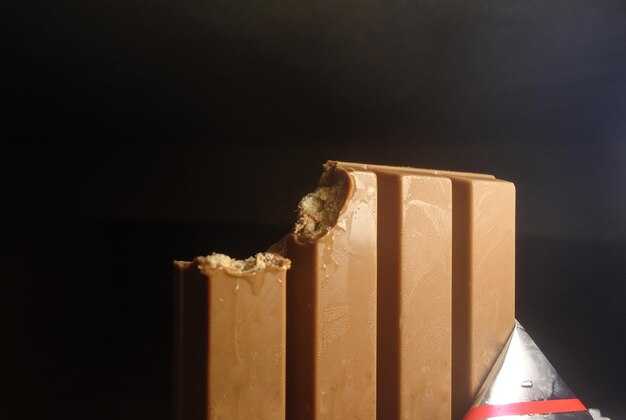
Start with a concrete plan: lock in cocoa costs for the next 12–18 months using a straight cocoa forwards approach and targeted call options to cap skyrocketing prices. Size the hedges to mirror production blocks at each plant through the planning cycle, and ensure these contracts are linked to a transparent benchmark. These facts translate into today’s more predictable margins and reduce volatility across patties and other cocoa-based products, supporting plant operations. Adjust where needed to stay aligned with real-time market signals.
Design contracts that are linked to a transparent cocoa price index and include floor and cap levels. Use equals: the contract price equals the index plus a premium, with clear adjustment rules. Include a clause to adjust quantities as needed when the market moves. This strategy benefits both procurement and manufacturing teams as cocoa costs increase and increases in input costs can be managed, and helps address a surge.
Diversify the network of suppliers to reduce single-source exposure. By sourcing from multiple origins and signing long-term agreements, you spread risk, stabilise cash flows, and lower pressure on margins. Adjust orders individually at each plant to align with local heat and demand, preserving productivity across plant operations while avoiding bottlenecks in patties and other SKUs. This approach also helps the business face cocoa price volatility today.
Hedging should be complemented by procurement tactics such as hedged futures versus options mix, volume pre-commitments, and logistics anchors. Use monthly or quarterly planning cycles to adjust procurement volumes based on production plans and market signals, and maintain data-linked pilots to track savings and risk exposure. These measures, applied consistently, reduce the impact of a rising cocoa surge and contribute to steadier product costs across the network today.
Execution steps: set a clear strategy, designate owners, and publish a simple governance rulebook. Build a facts-driven dashboard that tracks key metrics – unit cost by product, energy and logistics costs, and supplier performance – and review it monthly. These facts contributed to tighter control and, today, deliver greater stability to plant operations and the broader network, helping face pressured cocoa markets.
Operational Responses: Reformulation, Sourcing Shifts, and Portfolio Adjustments
Implement reformulation across core product lines to reduce cocoa intensity within a defined range whilst preserving taste and texture; test on at least three SKUs, and add refinements based on consumer feedback; this action reveals what customers want, stabilises delivery schedules, and protects value in the market.
Shift sourcing to a diversified cocoa network around origin regions to reduce climate risk and secure supplies; align with sector-wide efforts to stabilise the market going forward and protect delivery timelines. They should favour suppliers in various regions with predictable rainfall patterns, building a range that covers multiple cocoa origins and reducing reliance on any single source.
Portfolio adjustments should tilt toward value-driven lines with resilient margins; implement action milestones, pilot reformulations, and phased SKU revisions. Recognising Chinese market potential, the firm adapts packaging and flavour cues for that segment and communicates through a dedicated spokesperson. These moves reduce flux in revenue and keep delivery commitments; that's a signal to go further.