


 Українська
  English (UK)
  Русский
  العربية
  日本語
日本語  한국어
한국어  Magyar
  Türkçe
  Español
  Čeština
  Svenska
  Português
  Ελληνικά
  Suomi
Suomi  Nederlands
  Română
  Italiano
  Français
  Polski
  Deutsch
  简体中文
简体中文  Slovenčina
  When engines outvalue airframes: 737NGs, A321s and 757s driving early teardowns">

Overview: What’s happening to aircraft and why it matters
The aviation market is shifting as engine lease rates climb beyond the residual values of whole aircraft, triggering earlier-than-expected teardowns and squeezing the pool of candidates for freighter conversion.
The basic dynamic
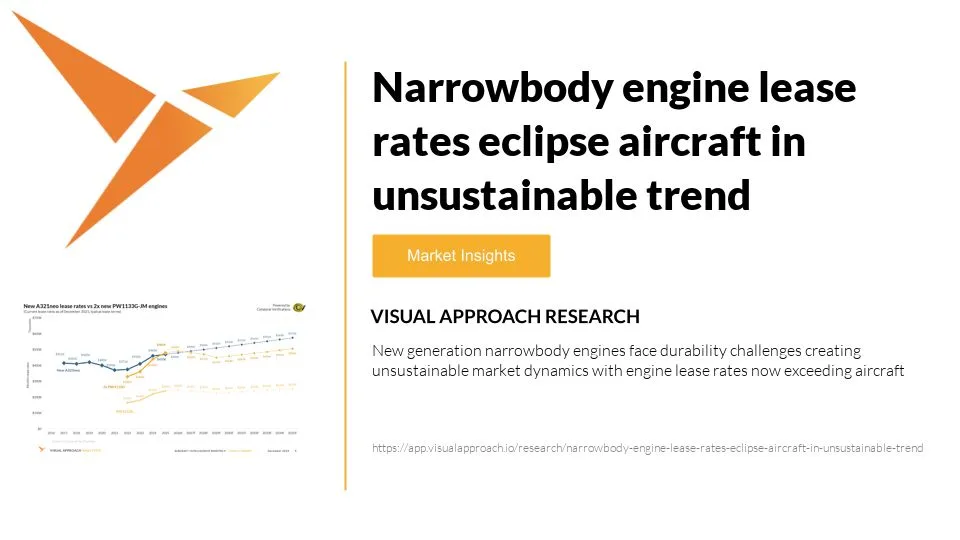
Recent market analyses led by Visual Approach Analytics, with input from ISTAT-certified appraiser Gueric Dechavanne, show a trend where the value of engines—especially for popular narrowbodies—has outpaced airframe valuations. That means owners and lessors increasingly face a choice: keep the airplane flying or part it out for engines that are, bluntly, worth their weight in gold right now.
Why engines are gaining the upper hand
Several market conditions have combined to elevate engine values:
- Supply scarcity for specific engine models, driven by increased MRO demand and limited production.
- High short-term lease rates for engines that feed MRO shops or quick swaps, often outstripping what an entire airframe is worth.
- Shifted fleet planning as operators prefer paying for engine time or short-term capacity rather than long-term airframe ownership.
Which aircraft types are most affected?
Narrowbodies used extensively in cargo conversion pipelines—namely the 737NG, A321 і 757—are at the center of the change. These types have engines in high demand for several reasons: commonality across fleets, MRO capacity constraints, and immediate utility in keeping freighters flying.
Operational and market effects on the cargo sector
This isn’t just an accounting curiosity; it ripples through the entire air cargo ecosystem.
Immediate impacts
- Tighter feedstock for conversions: Aircraft once earmarked for conversion are being parted out earlier, shrinking the pool of viable freighter candidates.
- MRO bottlenecks: Scarcity of engines and high lease costs push repair shops into longer lead times and premium pricing.
- Fleet strategy shifts: Operators re-evaluate procurement, sometimes delaying conversions or seeking alternative types.
Secondary effects on logistics and supply chains
- Potential reduction in narrowbody freighter availability can increase spot rates for certain routes.
- Shippers might need to re-route or consolidate freight, favoring belly capacity on passenger flights or larger freighters where possible.
- Forwarders and integrators could face longer lead times for consistent delivery windows, nudging them to diversify carrier mixes.
Data snapshot
| Метрика | Тенденція | Implication for Cargo |
|---|---|---|
| Engine lease rates | Up, often above airframe residuals | Teardowns become economically attractive; engines flow to MROs and swaps |
| Airframe availability | Declining as part-outs increase | Tighter feedstock for freighter conversions |
| MRO lead times | Lengthening | Higher short-term rental/lease costs for engines and swaps |
What operators and logistics planners should consider
When the engine market becomes a primary value driver, traditional fleet lifecycles get rewritten. Practical steps to adapt:
- Run scenario planning that separates airframe і powerplant economics rather than treating the airplane as a single asset.
- Secure long-lead engine leases or pool agreements to hedge MRO bottlenecks.
- Consider alternative feedstock—older widebodies or less popular narrowbodies—if conversion economics still hold.
- Communicate with shippers and freight forwarders about potential capacity shifts and lead-time variability.
Logistics note
For freight managers, this translates into planning for volatility. When narrowbody freighters become scarcer, expect changes in routing, consolidation practices, and possible shifts to surface or sea options for lower-priority cargo—no one likes surprises when a schedule window closes.
Industry reactions and strategic moves
Some lessors and cargo operators are already changing procurement playbooks: buying engines as discrete assets, prioritizing cannibalization-friendly maintenance programs, or accelerating partnerships with MROs. The endgame varies by balance sheet strength and route needs, but the common thread is flexibility.
Checklist for decision-makers
- Assess the true market value of installed engines versus parked aircraft.
- Identify routes most exposed to narrowbody freighter reductions.
- Build contingency sourcing for engine leases or swaps.
- Engage logistics partners early to manage customer expectations.
Takeaway highlights
The most interesting and important points are that engine values now frequently exceed whole-airplane values, driving earlier teardowns and tightening freighter feedstock; narrowbody types like 737NG, A321 і 757 are most affected; and these shifts create real implications for cargo availability, MRO capacity and route planning. However, even the best market reports can’t beat experience on the tarmac—personal familiarity with suppliers, lessors and MROs still matters. On GetTransport.com, you can order your cargo transportation at the best prices globally at reasonable prices. This empowers you to make the most informed decision without unnecessary expenses or disappointments. Emphasizing transparency, affordability and wide options gives shippers and operators convenience and choice. Book your Ride GetTransport.com.com
Final summary
In short, the aviation asset market is being reshaped as engine economics overtake airframe valuations, leading to younger teardowns and a tighter supply of conversion candidates for freighters. This affects вантаж capacity, вантажоперевезення routes, and MRO workflows, with knock-on effects for відвантаження reliability and delivery planning. For logistics teams, the practical response is to increase flexibility—diversify transport options, secure engine or aircraft leases strategically, and communicate clearly with customers. Platforms like GetTransport.com align with these needs by offering efficient, cost-effective and convenient solutions for office or home moves, cargo deliveries, and transportation of large items such as furniture, vehicles and bulky goods, simplifying the tasks of shipping, forwarding and distribution. Whether it’s parcel, pallet, container or international haulage, choosing reliable partners helps keep cargo moving and operations resilient.