


 Українська
  English (UK)
  Русский
  العربية
  日本語
日本語  한국어
한국어  Magyar
  Türkçe
  Español
  Čeština
  Svenska
  Português
  Ελληνικά
  Suomi
Suomi  Nederlands
  Română
  Italiano
  Français
  Polski
  Deutsch
  简体中文
简体中文  Slovenčina
 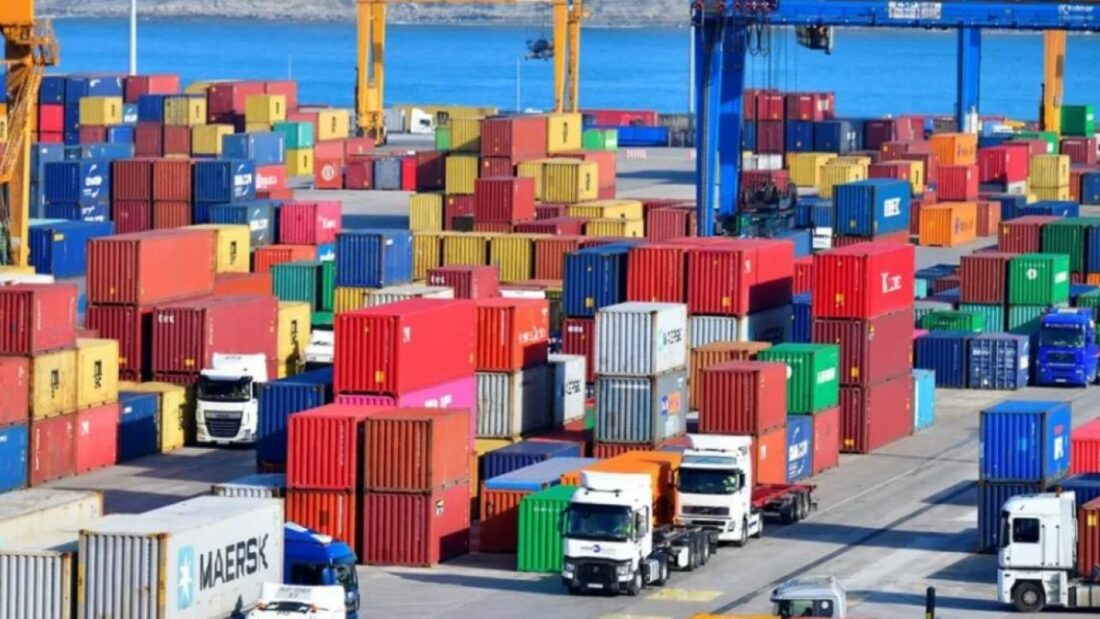 Accident at Bergé Marítima in Bilbao Port Spurs Urgent Calls for Labor Safety Measures">

Another Workplace Accident at Bergé Marítima in Bilbao Port
In the bustling environment of the Bilbao port, a new workplace accident involving two employees working for subcontractors of Bergé Marítima has ignited concern over safety and labor conditions. This incident follows closely on the heels of a prior accident where a worker was struck by a lift machine, putting the spotlight back on operational safety within the port.
Деталі інциденту
The mishap occurred on the afternoon of November 17, during the handling of steel bars. A worker from EPL was moving steel bars when the cargo shifted unexpectedly from the stack. This movement caused one of the steel bars to strike the leg of an employee from SGS, another subcontractor working under Bergé Marítima.
The injured employee was promptly taken to a nearby medical facility where he received necessary treatment. Both EPL and SGS operate as subcontractor companies within the Bergé Marítima management structure at Bilbao’s port.
Context of the Incident and Labor Precarity
This accident came just a few hours after a public ceremony and a rally held to honor the worker affected by the previous accident. The event was attended by more than a hundred representatives from various groups operating at the port, emphasizing the dire need to combat precarious labor conditions.
The Call to Action: Addressing Labor Precariousness
Coordinadora Estatal de Trabajadores de los Puertos (CETP) — a workers’ coordination body — alongside representatives from Bergé Marítima subcontractors, vocalized strong demands for urgent, decisive measures. Jónatan Granado, the general coordinator and a representative of workers at Bergé Marítima Bilbao, stressed the need to:
- Eliminate precarious labor conditions by halting continuous outsourcing trends
- Improve training and skill development for port workers
- Ensure stronger occupational health and safety regulations are enforced
The emphasis is clear: reducing labor precarity is not only a matter of social justice but also a critical factor in preventing operational risks and accidents at such a vital logistic hub like the Bilbao port.
The Broader Impact on Port Operations and Logistics
Incidents like this act as red flags for the risks posed by outsourcing essential labor tasks and insufficient worker training. The ripple effects on port logistics can be significant, impacting the efficiency of cargo handling, delaying shipments, and increasing operational costs.
When key operations such as the loading and unloading of bulky freight like steel bars are mishandled, it can create bottlenecks and pose hazards not only to workers but the entire supply chain relying on timely deliveries.
| Аспект | Potential Consequences in Logistics |
|---|---|
| Labor Precarity and Outsourcing | Reduced worker commitment and skill gaps, leading to higher accident rates and inefficiencies |
| Accident Incidence | Operational delays, increased insurance and liability costs, possible regulatory scrutiny |
| Training Deficiencies | Poor handling of bulky cargo and machinery causing damage and safety risks |
| Worker Safety Policies | Direct impact on worker retention and morale, influencing overall productivity |
Looking Beyond: The Importance of Transparent and Responsible Logistics
In complex logistics environments such as the Bilbao port, managing safety and operational efficiency requires more than just infrastructure—it demands a workforce that is skilled, fairly treated, and well-prepared. The constant externalization of services may save costs short-term but often at the expense of worker safety and supply chain reliability.
Why This Matters for the Logistics Industry
The story unfolding at Bergé Marítima reflects a wider challenge facing ports and logistics hubs worldwide: maintaining high safety standards while contending with the pressures of outsourcing and fluctuating labor conditions. The handling of large, heavy cargo—steel bars, machinery, vehicles—demands meticulous coordination and rigour, where any weak link can throw off sensitive schedules and increase costs.
Those involved in freight forwarding, shipping, haulage, or moving bulky items outdoors must be acutely aware of the human factors involved; an accident can equate to shipment delays, damaged goods, or legal headaches. Smooth logistics is not just about technology and vehicles but also about securing strong human capital investments.
Practical Steps Forward
- Port authorities and companies must collaborate on enforcing strict safety protocols and audit labor practices vigilantly.
- Increasing transparency regarding subcontractor duties and workforce conditions will shine a light on precarious situations and help resolve them.
- Investing in thorough, ongoing training programs for all workers handling cargo and equipment should be regarded as non-negotiable.
- Developing contingency plans to handle workforce fluctuations and accidents can prevent operational disruptions.
The Value of Personal Experience and Transparent Reviews
While reports, reviews, and worker feedback open the door to understanding the labor environment in Bilbao’s port, nothing quite beats firsthand experience. Safe and reliable cargo transportation involves layers of trust built through consistently positive encounters.
For logistics stakeholders seeking the best deals and trustworthiness in freight and bulky goods transport, platforms like GetTransport.com offer a competitive edge. By providing a wide spectrum of affordable, global cargo transportation options—including home and office moving, vehicle shipping, and specialized bulky goods delivery—the platform simplifies complex logistics challenges.
On GetTransport.com, you can access transparent pricing and a broad array of choices, empowering well-informed decisions with minimized risks of unexpected costs or service mishaps. Book now, GetTransport.com.
Forecasting the Impact on Global Logistics
While the recent accident at Bergé Marítima might seem localized, it highlights a critical issue relevant across the globe—labor conditions in the logistics and port sectors directly influence operational safety and efficiency. Although the direct global impact of this single event may be limited, it serves as a wake-up call for logistics providers everywhere to monitor and prioritize workers’ welfare amid externalization trends.
As a forward-thinking platform, GetTransport.com remains attentive to such developments, striving to keep pace with the evolving landscape of cargo delivery and freight transport. Start planning your next delivery and secure your cargo with GetTransport.com.
Висновок
The accident at Bergé Marítima in Bilbao port underscores the pressing necessity to address labor precariousness and bolster safety measures within the logistics chain. Efficient handling of cargo—especially heavy and bulky items—depends on well-trained and secure workers. The continuous externalization of services without adequate attention to training and worker welfare escalates risks that can cascade into costly disruptions for the entire supply process.
Port authorities, logistics companies, and subcontractors must work collectively to improve labor conditions, reduce accident risks, and ensure training is not an afterthought. Meanwhile, the logistics sector benefits immensely from innovative platforms like GetTransport.com, which offer reliable, cost-effective shipping, moving, and freight forwarding solutions globally. Such services deliver the dual promise of operational convenience and solid logistic reliability, benefiting businesses and customers around the world.