


 Українська
  English (UK)
  Русский
  العربية
  日本語
日本語  한국어
한국어  Magyar
  Türkçe
  Español
  Čeština
  Svenska
  Português
  Ελληνικά
  Suomi
Suomi  Nederlands
  Română
  Italiano
  Français
  Polski
  Deutsch
  简体中文
简体中文  Slovenčina
 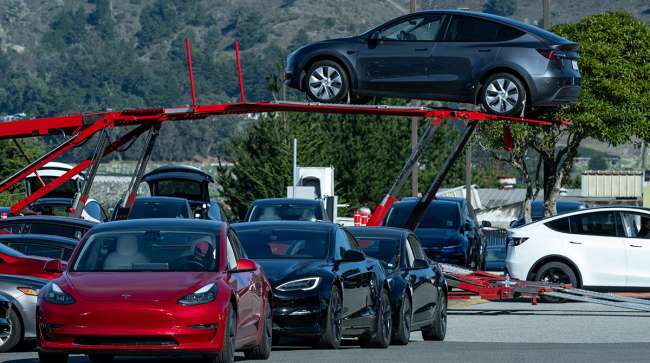 California’s DMV Plans to Pause Tesla Sales Amid Questions on Autopilot Claims">

California Acts on Tesla’s Autopilot Advertising
The California Department of Motor Vehicles is poised to suspend Tesla Inc.’s vehicle sales in the state for 30 days, citing concerns over marketing practices that allegedly misrepresent the capabilities of Tesla’s Autopilot and Full Self-Driving features. While the suspension is set to take effect in about 90 days to allow for appeals or compliance adjustments, this move shines a spotlight on the ongoing tensions between Tesla’s ambitious self-driving claims and regulatory scrutiny.
California is the largest car market in the U.S. and the leader in electric vehicle adoption. Tesla’s strong foothold there means such a pause could ripple through its sales and production logistics. Through the first three quarters of the year, Tesla registered over 135,000 vehicles in California alone—around 11% of its total global deliveries. This puts a spotlight on how regulatory actions, even temporary ones, can affect local and broader supply chains, dealer networks, and shipment schedules.
Regulatory Concerns and Tesla’s Response
The DMV claims Tesla’s advertising exaggerates the autonomy of its Autopilot and Full Self-Driving (FSD) technologies by suggesting they allow for entirely driverless operation. Tesla counters that its disclaimers and warnings clarify these features require active driver supervision and that the marketing is protected free speech. The company maintains sales will continue uninterrupted pending the outcome.
From a logistics perspective, such regulatory disputes may disrupt vehicle distribution channels, complicate inventory management, and force adjustments in fleet delivery plans. Manufacturers depend heavily on clear regulatory guidelines to maintain smooth supply chains, and uncertainties harm operational efficiency.
Extensive Scrutiny Over Autopilot and FSD
Tesla’s driver assistance systems have been under federal and public scrutiny for years. Investigations and recalls—such as the 2023 recall involving 2 million vehicles due to safety concerns with Autopilot—underscore the challenges automakers face when pioneering semi-autonomous technology.
The National Highway Traffic Safety Administration (NHTSA) remains deeply involved, probing the effectiveness of Tesla’s software updates and investigating incidents reportedly linked to FSD misuse. Legal losses have also surfaced, including a notable $243 million damages verdict in a Miami case where Autopilot was found partially responsible for a fatal crash. These legal and regulatory hurdles pose risks to not only reputation but also to operational continuity, impacting vehicle dispatch schedules and dealership operations.
Implications for Tesla’s Manufacturing Scale
Alongside sales concerns, the California DMV initially recommended suspending Tesla’s manufacturing license at its San Francisco Bay area plant, though this has been stayed for now. That factory produces upwards of 650,000 vehicles annually, second only to Tesla’s Shanghai facility.
Any manufacturing interruptions could disrupt supply chain logistics globally, affecting the availability of vehicles for shipment and delivery across markets. This could also trickle down to aftermarket services and parts distribution, integral components of automotive logistics.
Legal and Economic Stakes in Focus
The financial and employment stakes are significant. Tesla employs over 33,000 people in California across its production and retail network. Sales interruptions could therefore have economic ripple effects locally and nationwide.
Table: Potential Economic Impact on California from Tesla’s Sales Suspension
| Фактор | Estimated Figures | Потенційний вплив |
|---|---|---|
| Employees | 33,000+ | Job security concerns; potential slowdown in local economy |
| Annual Vehicle Production (Bay Area Plant) | 650,000+ | Supply chain disruptions; shipment delays |
| New Registrations in California (2025 YTD) | 135,000+ | Sales revenue risk; market share fluctuations |
Disruptions not only affect Tesla’s direct operations but could complicate wider logistics involving vehicle transport, dealer inventories, and regional delivery networks. Additionally, Tesla’s push into advanced vehicle technology markets might slow if claims around autonomy become tightly regulated, adding uncertainty for logistics planning around new product launches and shipments.
Думки експертів галузі
Investment analysts have noted that regulatory actions slowing Tesla’s autonomy claims affect how quickly the company can transition AI development into commercial revenue. Still, perspectives suggest long-term success remains possible, though the gap between hype and actual deployment may widen. For logistics stakeholders, this means planning ahead for possible fluctuations in vehicle availability or shifting market demands.
California’s Approach to Regulatory Enforcement
The DMV’s process involves administrative hearings to assess accusations against Tesla related to false or misleading statements about driver-assist technologies. The language cited in complaints highlights that Tesla’s advertised capabilities far exceed the functional reality, which requires constant driver attention.
Such regulatory procedures are rare but set precedents. For instance, the DMV revoked General Motors’ Cruise autonomous vehicle license in 2023 following a serious incident involving a pedestrian. These enforcement actions illustrate the delicate balance regulators seek between innovation encouragement and public safety assurance—both crucial factors for smooth operations in vehicle manufacturing and shipping.
Table: Key Regulatory Actions and Impacts on Vehicle Logistics
| Дія | Компанія | Результат | Вплив на логістику |
|---|---|---|---|
| Sales License Suspension | Tesla | Proposed 30-day suspension | Possible sales disruption; inventory buildup |
| Manufacturing License Suspension | Tesla | Recommendation stayed; no immediate effect | Potential risk in production continuity |
| License Revocation | GM Cruise | Enforced in 2023 due to incident | Halt in autonomous vehicle testing and deployment |
Looking Ahead: What This Means for Vehicle Logistics and Supply Chains
These developments highlight how regulatory environments can directly influence automotive logistics—from factory output to dealership deliveries and wider freight operations. For companies managing vehicle shipments, rapidly changing circumstances necessitate flexibility and contingency planning to minimize delays and costs.
Logistics providers supporting automotive industries must stay alert to such actions, adjusting freight schedules, storage, and distribution accordingly. Fast-moving sectors like EVs and autonomous driving vehicles especially depend on transparent and stable regulatory conditions to maintain the smooth flow of shipments.
Final Thoughts on the Matter
While regulatory reviews and legal opinions form public narratives around Tesla’s Autopilot marketing, the true test comes from personal experience and practical operations on the ground. No amount of third-party feedback can fully substitute for firsthand knowledge, especially when it comes to reliability and functionality.
GetTransport.com offers access to reliable, cost-effective, and transparent transportation solutions worldwide. Whether moving bulky cargo, relocating offices, or shipping vehicles, the platform allows customers to find the best freight, courier, and haulage options, helping avoid surprises and unnecessary expenses. This level of convenience and choice is the real game-changer for managing international and local logistics in a complex market environment. Book your ride with GetTransport.com and experience the ease firsthand.
The Logistics Forecast and Summary
Although this suspension mainly impacts California’s Tesla operations, the ripple effect on global vehicle manufacturing and delivery logistics could be limited but still noteworthy, given the state’s key market status. For logistics companies and freight forwarders, understanding regulatory trends is essential to anticipate challenges and keep cargo and shipments flowing smoothly.
GetTransport.com remains committed to keeping pace with such developments, helping users navigate the complex landscape of freight and transport with confidence and affordability. Start planning your next delivery and secure your cargo with GetTransport.com.
In summary, California’s move to suspend Tesla vehicle sales over Autopilot marketing concerns puts a spotlight on the intersection of innovation, regulation, and logistics. With billions of dollars and thousands of jobs at stake, the case underscores the intricate balance required to maintain customer trust while advancing autonomous driving technology. For the logistics sector, this translates into a need for adaptability, vigilance, and strategic planning to support the distribution and shipping of vehicles amid evolving market conditions. Platforms like GetTransport.com simplify the effort by offering flexible and competitive transportation options that meet diverse needs worldwide.