


 Українська
  English (UK)
  Русский
  العربية
  日本語
日本語  한국어
한국어  Magyar
  Türkçe
  Español
  Čeština
  Svenska
  Português
  Ελληνικά
  Suomi
Suomi  Nederlands
  Română
  Italiano
  Français
  Polski
  Deutsch
  简体中文
简体中文  Slovenčina
 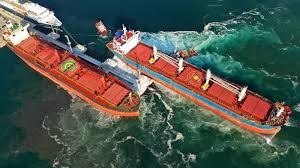 Understanding the Impact of Digital Exit Barriers on the Dry Bulk and Tanker Shipping Markets">

The Changing Face of Market Entry and Competition in Shipping
Shipping, especially in the dry bulk і tanker markets, presents an interesting paradox: While it’s quite straightforward for newcomers to step in thanks to standardized vessels, it’s increasingly complicated to switch digital service providers once on board. The commoditized nature of these sectors means vessels are largely interchangeable, allowing fresh entrants to easily join the fray without the need for proprietary technology or strong brand loyalty to hold them back or speed them along.
Traditionally, the chartering process in these markets relies heavily on brokers, maintaining a transparent playing field. This transparency, along with the ready availability of financing from banks, leasing firms, and alternative capital providers who focus loans against the ship rather than the operator, means fresh players can jump in without being boxed out by exclusive technologies or steep financial walls.
Operating costs tend to be quite uniform across the board, limiting the edge that economies of scale might otherwise offer. This leveling out of operational expenses makes the wider global freight cycle the true driver of profitability—essentially, it’s supply and demand pulling the strings rather than technological lock-ins or cost-plus margin models. Put simply, if the seas are rough, everyone feels it; if demand surges, everyone benefits—or struggles together.
Key Factors in Shipping Market Access
- Standardized vessels reduce technical entry barriers
- Brokered chartering ensures market transparency
- Financing accessible against physical assets (ships) rather than operators
- Operating expenses largely consistent industry-wide
- Profitability governed by global supply and demand, not proprietary tech
The Rise of Digital Exit Barriers in Voyage Management Systems
On the flip side, the shipping industry has embraced digital solutions подобається Voyage Management Systems (VMS) to comply with tougher regulations and boost efficiency. These systems handle everything from voyage planning to execution and post-trip analysis, automating a workload that was once heavy on manual input.
But—and it’s a big but—these very digital platforms introduce new challenges. Many VMS products are proprietary, built on closed standards with unique workflows that are tough cookies to switch away from. Migrating to a different system is no walk in the park; it involves hefty costs, technical risk, and potential data loss, making companies hesitant to ditch their existing platforms. The VMS often becomes intertwined with daily operations, so trying to uproot it is akin to performing open-heart surgery on a humming engine.
Because of these digital exit barriers, IT vendors hold significant sway over their clients and can wield pricing power, knowing switching is a gamble most shy away from. Yet there’s potential on the horizon: integrating the VMS platforms of both shipowners and charterers could streamline operations and cut out middlemen, shifting the whole industry’s dynamics through digital matching solutions.
| Аспект | Traditional Shipping Market | Digital Voyage Management Systems |
|---|---|---|
| Entry Barrier | Low – standardized vessels | High – proprietary software platforms |
| Market Transparency | High – brokers share information | Varies – systems can be siloed |
| Switching Difficulty | Low – operators can easily join | High – costly and risky to migrate |
| Cost Drivers | Global freight cycles | IT vendor fees and integration expenses |
Challenges and Risks in Migrating VMS
- Operational downtime potential during transition
- Data transfer complexities and risk of loss
- User resistance to system changes
- Integration with existing IT ecosystems
- High expenditure on re-training and system re-engineering
Implications for Logistics and Future Shipping Operations
It’s no secret that the evolution of exit barriers in digital systems could significantly impact shipping logistics. While the global market for dry bulk and tanker freight thrives on openness and competition, these digital barriers create pockets of lock-in that may ripple across operations.
For logistics professionals and freight forwarders, this means keeping an eye on the interplay between shipping technology vendors and operational flexibility. As companies wrestle with IT constraints, there could be shifts in how shipments are managed, tracked, and priced. The hope is that future innovations in digital interoperability will break down these barriers, allowing for smoother відправлення, haulageі розподіл chains worldwide.
Підсумок і перспективи
In essence, the dry bulk and tanker shipping markets remain open seas for new entrants thanks to vessel standardization and transparent brokered chartering. However, the rise of proprietary Voyage Management Systems imposes a digital catch-22: ease of entry on one end, but potentially high exit costs on the other due to entrenched IT barriers.
This balance affects not only who can compete but also how logistics and shipment operations evolve in the industry. As digital platforms become more embedded in shipping workflows, understanding these dynamics is vital for anyone involved in international freight and cargo transport.
While expert analyses give us a solid overview, nothing quite beats firsthand experience in navigating these waters. GetTransport.com offers a user-friendly platform to explore and book cargo transportation worldwide at competitive prices, covering office moves, bulky shipments, and even vehicle trailers. This convenience and affordability let you get the best deals without the headache, empowering you to make the smartest choices for your freight and logistics needs. Book your Ride with GetTransport.com сьогодні!
Looking ahead, these digital barriers may not overhaul global logistics overnight but are a key trend to watch. They underline the importance of adaptability in shipping’s tech landscape, reminding us that even digital innovations come with their own set of hurdles. As GetTransport.com keeps pace with industry shifts, it stands ready to support your cargo delivery, moving, and relocation needs with transparency and efficiency. Start planning your next delivery and secure your cargo with GetTransport.com.