


 Українська
  English (UK)
  Русский
  العربية
  日本語
日本語  한국어
한국어  Magyar
  Türkçe
  Español
  Čeština
  Svenska
  Português
  Ελληνικά
  Suomi
Suomi  Nederlands
  Română
  Italiano
  Français
  Polski
  Deutsch
  简体中文
简体中文  Slovenčina
 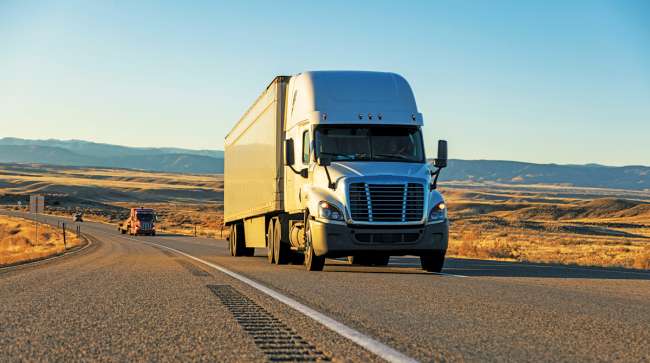 EPA Sticks to 2027 Deadlines for Tougher NOx Emission Standards on Heavy-Duty Trucks">

EPA’s Commitment to 2027 NOx Emission Standards
The Environmental Protection Agency (EPA) will move forward with stricter nitrogen oxide (NOx) emissions regulations for heavy-duty trucks slated for the 2027 model year, adhering to the original timeline without delays. However, the agency has indicated some flexibility to tweak rule details, aiming to balance environmental goals with industry concerns.
This decision comes amid pressure from the American Trucking Associations (ATA), which had requested a four-year delay citing the financial strain and operational hurdles the trucking sector currently faces. The trucking industry is navigating tough market conditions already, and the added compliance costs from new emission standards raise red flags for many operators.
Proposed Adjustments to Ease Implementation
Though the EPA won’t postpone the rollout, some technical adjustments are in the pipeline that could help mitigate costs. For instance, the agency plans to retain existing warranty requirements instead of implementing extended warranty periods that were set for 2027.
Other anticipated modifications include revisions of useful life standards and other technical refinements that might reduce burdens without rolling back the central emission limits. However, the strict standard of 0.035 grams per brake horsepower-hour remains firm—no extensions or relaxations expected.
Why These Rules Matter
Heavy-duty truck emissions have seen a dramatic drop of 99% since 1970, a success story in environmental progress. The upcoming regulations aim to snip NOx pollution further by over 80%, but that jump requires expensive new emission control technology. This equipment is largely untested in real-world markets, raising concerns about reliability and upfront costs.
Industry Concerns on Costs and Timing
The timing of the new NOx rule’s implementation is a significant headache for trucking companies. The standard is expected to push up equipment prices just when carriers are already bracing for steep operational cost rises.
These mounting expenses don’t just pinch truck manufacturers—they trickle down to increase freight costs, impacting the entire logistics chain, from cargo shipment to final consumer delivery. The industry is keenly watching to see how these cost factors will play out in actual freight rates and logistics planning.
| Аспект | Вплив |
|---|---|
| Emission Reduction Target | Over 80% decrease in NOx emissions from heavy-duty trucks compared to current standards |
| Technology Requirements | New emission control equipment; largely untested on a large scale |
| Cost Implications | Increased truck prices and extended operational costs for carriers |
| Rule Implementation Timeline | Firmly set for 2027 without delay |
| Warranty Changes | Rejects extended warranties; keeps existing warranty terms |
Federal Excise Tax: An Added Burden
Besides EPA’s rule, the trucking industry is also tangled in the web of the federal excise tax—a century-old levy amounting to about 12% on new trucks. This tax inflates the price tag by thousands, aggravating the financial pinch caused by the updated NOx requirements.
Legislative efforts to wipe out this tax have gained traction, with proposals in Congress aiming to repeal this outdated fee. The reasoning is that this tax incentivizes operators to stick with older, less efficient trucks rather than upgrading to cleaner, modern rigs—which runs counter to environmental objectives and industry progress.
Key Points on Excise Tax
- The 12% federal excise tax is the highest percentage-based tax on a product in the U.S.
- This tax inflates the cost of clean-diesel tractor-trailers by about $24,000 each.
- Repealing this tax could ease the transition to new, more environmentally friendly trucks.
- Industry groups like ATA support its repeal as critical to preserving trucking jobs and economic efficiency.
What This Means for Logistics and Transport
From a logistics perspective, the tightened NOx standard and related cost pressures will likely ripple across freight and cargo movement. Carriers could face higher capital expenditures, which may lead to increased freight rates. Shippers and freight forwarders must anticipate potential shifts in pricing dynamics and supply chain rhythms.
Moreover, as trucking operators navigate these advancements, the industry might see an increase in demand for expert forwarders and haulers capable of optimizing routes and loads under tighter cost constraints.
How Industry Actors are Responding
The American Trucking Associations continue advocating for cost relief measures, including working with EPA on cost-cutting opportunities and lobbying for the excise tax repeal. Their goal is to secure a blend of environmental progress and economic feasibility to keep goods flowing efficiently across supply chains.
Timeline and Next Steps
The EPA is expected to formally publish the updated emission rule between March and April of 2026, opening it up for public commentary before finalizing the standards. This phase could present an opportunity for stakeholders in logistics and trucking to voice their insights or concerns.
Why Personal Experience Beats Reviews
While it’s great to hear what industry groups and agencies predict, nothing beats firsthand experience in this changing landscape. Practical encounters with new technology, updated trucks, and evolving freight costs provide unrivaled knowledge in adapting logistics operations.
Такі платформи, як GetTransport.com offer an excellent resource for carriers, freight forwarders, and shippers alike to find efficient and competitive transportation solutions globally. Whether it’s moving heavy cargo, relocating office or home goods, or transporting bulky vehicles, the platform’s extensive options help users navigate these regulatory shifts without breaking the bank. Their transparent pricing and broad network unlock convenient, reliable shipment arrangements that keep logistics moving smoothly amid regulatory upgrades.
Book now to get the best offers and experience seamless transportation services at GetTransport.com.
Заглядаючи вперед: Вплив на глобальну логістику
Globally, the EPA’s 2027 NOx rules won’t shake up logistics giants outside the U.S., but within the country, it’s a concrete step toward cleaner freight movement. It signals to the worldwide logistics ecosystem that sustainability targets are indeed tightening, urging all stakeholders to prepare for cleaner, yet potentially costlier, operations ahead.
This movement aligns with GetTransport.com’s mission to keep pace with transportation changes, offering users a platform for affordable and reliable cargo delivery and haulage, regardless of size or destination. Start planning your next shipment and lock in your cargo transportation with GetTransport.com.
Висновок
The EPA’s firm stance on the 2027 NOx emission limits marks a significant chapter in the ongoing evolution of environmental regulations in heavy-duty trucking. Although the trucking industry faces heightened costs and operational challenges, selective adjustments and ongoing advocacy aim to balance these pressures with sustainable progress.
For logistics professionals, this means a continued push toward cleaner freight fleets and the need to anticipate cost changes across the supply chain. Whether for freight, parcel, pallet, or bulky cargo shipments, flexible and cost-effective transportation solutions become more critical than ever.
GetTransport.com stands ready to assist by providing a vast network for international and domestic moving, relocation, and cargo shipping needs, simplifying logistics with transparent rates and diverse transport options. This combination of innovation and affordability is essential for adapting to the evolving realities of freight transport and emission standards.