


 Українська
  English (UK)
  Русский
  العربية
  日本語
日本語  한국어
한국어  Magyar
  Türkçe
  Español
  Čeština
  Svenska
  Português
  Ελληνικά
  Suomi
Suomi  Nederlands
  Română
  Italiano
  Français
  Polski
  Deutsch
  简体中文
简体中文  Slovenčina
 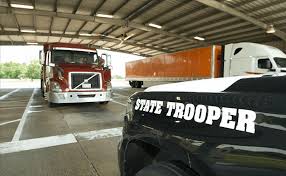 New Immigration Enforcement at Florida Weigh Stations: Challenges and Consequences for Small Trucking Fleets">

Florida's Shift: Weigh Stations Now Immigration Checkpoints
Florida has recently overhauled its approach to commercial truck weigh stations, transforming all 27 of them into active immigration checkpoints. This move integrates Immigration and Customs Enforcement (ICE) agents alongside state patrol and department of transport officials, aiming to identify undocumented immigrants driving commercial vehicles and to weed out those with invalid or fraudulent commercial driver’s licences (CDLs).
While this strategy is touted as a firm stance on law enforcement, the on-the-ground reality introduces a new set of challenges, especially for small carriers and owner-operators navigating their daily operations within the state.
The Evolving Role of Weigh Stations
Traditionally, weigh stations focus on lorry safety: checking axle weights, verifying hours of service logs, inspecting permits, and ensuring vehicles meet safety regulations. Florida’s expanded mandate now pulls in immigration enforcement as a core function. ICE agents scrutinise driver credentials closely and coordinate with local law enforcement to detect federal immigration violations. This enforcement crossover represents a significant shift from safety compliance toward immigration control on public highways.
The initiative is framed by Florida’s leadership as necessary to safeguard the state amid broader national concerns about border security. Yet, the implications for trucking operators swing into a more complex territory, balancing legality, safety, and operational impact.
Industry Opinions: Safety Advocates vs. Operational Realists
A fair share of professional lorry drivers and industry observers support the initiative, citing safety concerns tied to HGV licence fraud and inadequate training, which have historically contributed to accidents and dangerous road conditions. Many seasoned drivers argue that anyone unable to understand road signage or equipment, or who secured licensing through questionable means, compromises the safety of all road users.
This safety-first perspective is echoed in numerous driver communities and forums, where the sentiment is clear: proper licensing and lawful operation are non-negotiable.
The Execution Hurdle: When Good Intentions Meet Practical Challenges
However, the policy’s implementation raises practical issues, especially for small carriers. Consider this example scenario:
- A driver holds a valid HGV licence and is legally authorised to work.
- Despite sufficient English skills, the driver struggles with Border Force questioning due to accent or stress.
- ICE flags the driver for extended document verification, resulting in a detention of a couple of hours.
- The delivery is delayed; refrigerated cargo risks spoilage; and clients start calling.
Delays like these—while perhaps unavoidable at times—can deal real blows to smaller operators who don’t have the luxury of backup drivers or vehicles. In contrast, large fleets with dedicated legal and management teams can better absorb these disruptions.
The Burden on Small Carriers
Small haulage companies, typically with limited staff and lean resources, bear the brunt of expanded enforcement measures. Unlike their larger counterparts, these operators often lack legal support or additional lorries to maintain service continuity when drivers are held up.
- Without legal counsel, challenging unwarranted detentions becomes a daunting task.
- Driver shortages could worsen if individuals feel unfairly targeted or harassed.
- Financial impacts from delays, lost contracts, or driver turnover add up fast.
This disproportionate stress on small carriers could ripple across local freight and logistics networks, amplifying challenges in supply chain reliability.
Impact on Shippers and Brokers
Another angle of uncertainty is how shippers and freight brokers will respond as delays become more frequent due to immigration screenings. There’s concern over possible rerouting away from Florida or penalties imposed for late deliveries caused by extended inspections — neither scenario paints a bright picture for maintaining service contracts or cost efficiency.
A Wider Precedent: What Could Come Next?
Florida's redefinition of weigh stations sets a precedent that might inspire other states to deploy similar enforcement models:
- Increased citizenship or immigration status checks at weigh stations elsewhere.
- Language proficiency assessments for drivers in key freight corridors.
- Criminal background checks implemented port-wide or at other border crossings.
While if you’re compliant you shouldn’t worry, expanding enforcement beyond safety into more subjective territory risks creating confusion and tensions at checkpoints nationwide.
Finding Balance: Enforcement Versus Fairness
The underlying challenge is ensuring roads remain safe without alienating and unduly burdening small hauliers that keep the economy moving. Drivers and hauliers want clear, fair enforcement and respect for their compliance and professionalism.
When enforcement tips too far into ambiguity, trust erodes, and we risk slowing the very shipments that sustain businesses across states – because when trust goes, the load often stops.
Summary Table: Pros and Cons of Florida’s Immigration Checkpoints at Weigh Stations
| Pros | Cons |
|---|---|
| Increased removal of undocumented and fraudulent drivers | Possible delays for compliant drivers due to extended screening |
| Addresses safety concerns from unqualified operators | Disproportionate impact on small carriers with limited resources |
| Supports law enforcement and state border security goals | Risks driver turnover if profiling occurs or detentions seem unjust |
| May reduce motorway accidents tied to illegal licensing | Uncertainty around shipper and broker tolerance for delays |
Why It Matters for Logistics and Freight Transportation
In freight and logistics, time is more than money—it’s the pulse that keeps supply chains alive. Adding immigration screenings at weigh stations introduces a new variable into transit time estimations and route planning. For cargo shipments requiring temperature control, tight deadlines, or precise delivery windows, even minor hold-ups can cascade into bigger operational headaches.
For companies providing comprehensive freight and haulage solutions, like GetTransport.com, these developments underscore how vital it is to have access to versatile, affordable options that can respond swiftly to changing regulations and routes. The ability to adjust quickly and tap into reliable carriers, whether for moving parcels, pallets, heavy machinery, or office removals, can make all the difference in managing logistics costs and keeping delivery promises.
Final Thoughts and Getting Ahead
Florida's new immigration checkpoints at weigh stations shine a bright light on the intersection between transport enforcement and operational realities. While well-intentioned from a policy perspective, the practical implications create a cocktail of concern for small carriers in particular, who face delays, legal complexities and workforce challenges.
Ultimately, it’s a reminder that evolving regulations bring both opportunities to enhance safety and risks that must be managed thoughtfully. Balancing enforcement with fairness will be key to maintaining the flow of commerce and trust on America’s motorways.
Ваш досвід є найважливішим.
No review or article can replace the first-hand insight you gain from navigating these changes yourself. Platforms like GetTransport.com offer a transparent, user-friendly way to secure cargo transportation at competitive prices worldwide. This empowers carriers and shippers alike to choose reliable services without overspending or risking unexpected delays.
Whether you're managing a small fleet, organising household moves, or shipping bulky and specialised freight, having such options at your fingertips offers peace of mind amidst regulatory shifts. Забронюйте поїздку за адресою GetTransport.com щоб скористатися світом доступних та надійних логістичних рішень.
Looking Ahead: What This Means for Global Logistics
Хоча політика Флориди може здаватися локалізованою, вона віддзеркалює зростаючу тенденцію до інтеграції правоохоронних заходів щодо міграції з транспортними контрольними пунктами. У глобальному масштабі логістичні операції можуть зіткнутися зі збільшеним контролем на державному або провінційному кордоні, особливо в регіонах, чутливих до міграційних або проблем безпеки. Хоча це ще не поширена глобальна тенденція, бути в курсі таких розробок допомагає операторам вантажних перевезень і відправникам передбачати потенційні перешкоди.
GetTransport.com слідкує за такими змінами, прагнучи запропонувати безперебійні, адаптовані варіанти перевезення вантажів, відправки та перевезень, які відповідають вимогам постійно мінливого транспортного середовища. Почніть планувати наступну доставку та забезпечте безпеку свого вантажу за допомогою GetTransport.com.
Закінчуємо.
Ця трансформація політики у Флориді підкреслює складний баланс між забезпеченням законності та підтриманням ефективного переміщення вантажів. Вона висвітлює проблеми безпеки, пов’язані з шахрайським ліцензуванням, але також розкриває операційні ризики, з якими стикаються малі перевізники під час правоохоронних заходів.
Для логістичних професіоналів розуміння цих динамік має вирішальне значення. Платформи, як-от GetTransport.com, надають не лише економічно ефективні вантажні та транспортні послуги, а й широку мережу надійних перевізників, готових взяти на себе все – від великогабаритних вантажів до щоденної доставки посилок по всьому світу. У світі, де довіра та своєчасність забезпечують безперебійну роботу ланцюгів постачання – і засобів до існування – наявність правильного партнера має все значення.