


 Українська
  English (UK)
  Русский
  العربية
  日本語
日本語  한국어
한국어  Magyar
  Türkçe
  Español
  Čeština
  Svenska
  Português
  Ελληνικά
  Suomi
Suomi  Nederlands
  Română
  Italiano
  Français
  Polski
  Deutsch
  简体中文
简体中文  Slovenčina
  Останні світові тенденції у ланцюгах поставок та енергетичні інновації, що змінюють логістику, жовтень 2025">

Transformations in Global Supply Chains and Energy Sectors
The dynamics of industrial supply chains and economic frameworks are undergoing swift, tech-driven changes this October, influenced by evolving international interactions and emerging energy requirements. The developments range from shifts in agricultural trade agreements to groundbreaking energy partnerships fuelled by the rise of Artificial Intelligence, all weaving new patterns that ripple through the logistics industry worldwide.
Temporary Trade Eases Between Major Powers Impact Agricultural Supply Logistics
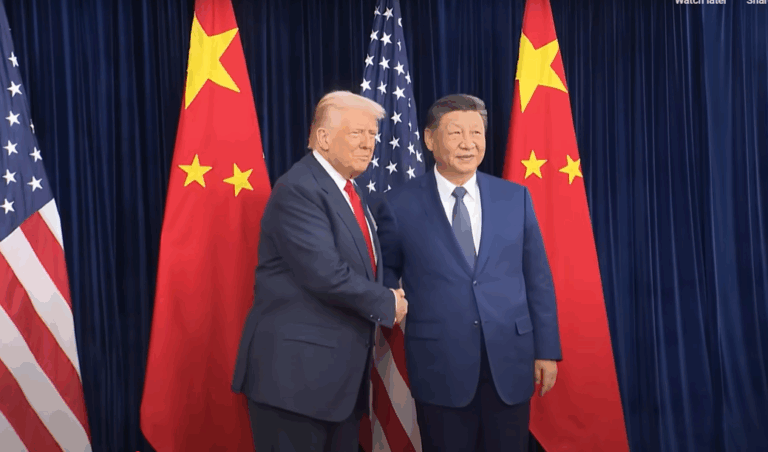
Leaders from the United States and China recently held a crucial 90-minute summit in Busan that, while stopping short of a full trade accord, produced a soybean purchasing agreement critical for midwestern U.S. supply chains. This move softens trade tensions temporarily, offering clarity and relief for producers and exporters in agriculture.
Though this agreement deals a positive blow to some sectors, core disagreements over technology and critical materials access linger unresolved, presenting an ongoing balancing act for supply chain strategists. The overarching effect on global logistics lies in cautious optimism, as companies recalibrate expectations and operations with this “pause” rather than a definitive breakthrough.
AI's Growing Appetite Spurs Revival of Nuclear Energy Infrastructure
Artificial Intelligence's insatiable energy demands are rewriting the playbook on industrial power requirements. A partnership between Google and NextEra Energy aims to resurrect Iowa's Duane Arnold Nuclear Facility, idle since 2020. Slated for a 2029 restart pending approvals, the 615-megawatt plant will meet Google’s massive data centre power needs through a long-term contract. Surplus energy will be purchased by regional entities, highlighting a holistic approach to community energy planning.
This revival underscores how AI growth isn't just a software revolution but a power shift, pushing energy grids towards sustainable, high-capacity solutions. For logistics, this signals potential impacts on supply chain energy costs and infrastructure investments — particularly for energy-intensive freight and warehousing operations.
Bentley Systems and the Future of Smart Infrastructure with AI and Digital Twins
At the recent Year in Infrastructure conference, Bentley Systems unveiled a vision where infrastructure systems don't merely stand still but “learn” and adapt continuously. Leveraging AI and digital twin technologies, the company aims to embed adaptive intelligence across infrastructure lifecycles – boosting planning accuracy, operational efficiency, and resilience.
This leap means logistics and transport hubs can evolve with real-time data, improving everything from warehouse management to last-mile delivery routes. For logistics professionals, embracing these tools equates to gaining a competitive edge in an environment where efficiency and flexibility reign supreme.
The Rising Tide of Shipping Costs Necessitates Operational Optimisations
With the global shipping and logistics market exceeding $1 trillion, freight expenses are surging and gnawing at profit margins everywhere. The introduction of dimensional weight pricing by major carriers has made every inch and pound count, raising complexity in cost calculations.
Strategies like cartonisation—optimising how goods are packed to reduce wasted space—are not just cost-saving hacks but essential components of modern logistics. Companies applying packing optimisation tools stand to benefit from reduced transportation fees, less environmental impact, and boosted customer satisfaction thanks to faster fulfilment.
Table: Impact of Shipping Cost Components and Optimisation Strategies
| Cost Component | Effect on Logistics | Optimisation Strategy |
|---|---|---|
| Dimensional Weight Pricing | Charges based on package volume impacts cost. | Standardise packaging sizes, reduce volume |
| Fuel Surcharges | Additional fluctuating costs | Route optimisation and consolidated shipments |
| Residential Delivery Fees | Higher last-mile delivery expenses | Cluster deliveries, use local hubs |
| Oversized Package Penalties | Penalty fees for bulky shipments | Cartonisation and precise dimension management |
Strategic Moves in Critical Mineral Supply Chains
The US and Japan have forged a framework agreement to jointly secure supplies of critical minerals and rare earths, aiming to reduce dependency on prevailing dominant producers. This collaboration involves investment in mining, processing, and advancing recycling technologies, coupled with the formation of a Rapid Response Group for coordinated action.
While primarily a strategic manoeuvre, this pact also shapes logistics networks by necessitating new routes, distribution channels, and inventory management for these essential raw materials, critical for electronics, electric vehicles, and renewable energy machinery.
Why These Trends Matter for Logistics
Today’s logistics landscape is being shaped by intertwined forces: geopolitical moves, technological advances, and cost pressures. The soybean deal affects agricultural freight routing and demand forecasts. The AI-driven energy overhaul signals a potential shift in how industries power their logistics operations. Bentley’s framework on intelligent infrastructure points towards smarter warehouses and distribution centres. And ever-rising shipping costs turn optimisation from a choice into a necessity.
Essential Takeaways for Your Logistics Operations
- Stay agile: Trade dynamics can shift rapidly; maintaining flexible supply chains reduces risks.
- Embrace energy innovations: Understand and integrate new power solutions that can stabilise operational costs.
- Leverage technology: Use AI and digital twin progress as tools for better asset management.
- Optimize packaging: Implement cartonisation and packing tools to fight rising freight expenses.
- Monitor critical mineral supply: Diversify procurement to avoid bottlenecks in essential materials.
Of course, as insightful as expert analyses and reviews might be, nothing quite trumps first-hand experience. Platforms like GetTransport.com offer the perfect ground for testing logistics options—it provides access to a global marketplace of affordable, reliable cargo transportation. Whether moving bulky machinery, vehicles, household items, or parcels, its transparent pricing and extensive options empower you to make the best decisions without breaking the bank or facing surprises. Book your ride and explore the advantages of seamless, cost-effective forwarding and dispatch solutions on GetTransport.com.
Impact on Global Logistics and Looking Ahead
While the nuances of these developments might not shake global logistics overnight, their compound effects can gradually influence supply chain resilience and cost structures worldwide. The interplay between trade policies, energy supply models, and technology adoption is a dance logistics professionals cannot ignore. At GetTransport.com, there’s a commitment to stay ahead of such shifts, ensuring clients can navigate evolving landscapes smoothly. Start planning your next delivery and secure your cargo with GetTransport.com.
Підсумок
The closing days of October 2025 reveal a logistics environment in flux—balancing geopolitical shifts, emerging technology and soaring cost pressures. Agricultural agreements soften tensions yet keep supply chains alert; AI’s push on energy infrastructure forecasts new operational realities; cutting-edge AI and digital twins promise smarter, more resilient logistics hubs; and shipping cost surges demand operational finesse. Supply chain professionals should embrace agility, sustainability and tech-driven intelligence to thrive.
Against this backdrop, GetTransport.com stands out as a versatile solution offering reliable, affordable transport services worldwide, from everyday parcel shipments and office moves to heavy haulage of large, bulky goods. This platform simplifies logistics, turning complex freight challenges into smooth, budget-friendly experiences—delivering on the promise of smarter transport for today’s interconnected world.