


 Українська
  English (UK)
  Русский
  العربية
  日本語
日本語  한국어
한국어  Magyar
  Türkçe
  Español
  Čeština
  Svenska
  Português
  Ελληνικά
  Suomi
Suomi  Nederlands
  Română
  Italiano
  Français
  Polski
  Deutsch
  简体中文
简体中文  Slovenčina
 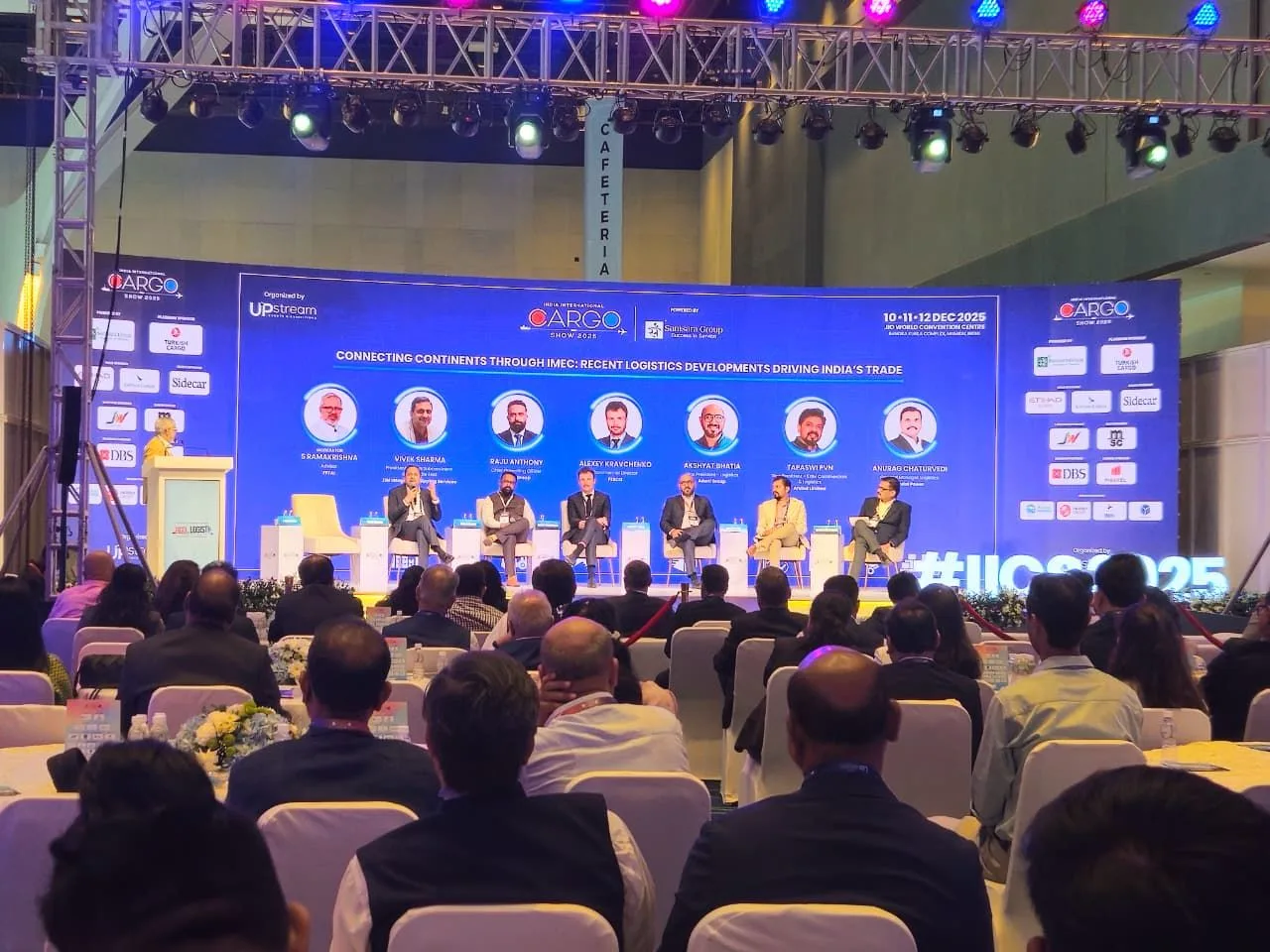 How IMEC is Transforming Global Trade Networks and Enhancing India’s Multimodal Logistics Hub">

Rethinking Global Trade Through New Corridor-Based Logistics
The landscape of global commerce is evolving rapidly, and at the heart of this transformation lies the India–Middle East–Europe Economic Corridor (IMEC). This corridor is not just a simple route on a map; it’s a game-changer designed to weave together maritime, rail, and road transport into a — dare we say — well-oiled machine that promises quicker, more reliable, and politically diversified east-west connectivity.
The shift to corridor-led logistics marks a new chapter, moving away from isolated transport modes to integrated networks that offer fresh routing possibilities and resilience against unpredictable disruptions. IMEC’s vision? To reposition India from being a participant in the global supply chain to becoming a crucial connector facilitating trade flows across continents.
IMEC and Its Multimodal Advantage
This corridor stands out because it doesn’t just rely on traditional shipping or air routes alone. Instead, IMEC marries ocean freight with inland transport systems — rail and road — creating a seamless flow that’s faster and less vulnerable to bottlenecks. Carriers and shippers now have an alternative that expands options beyond conventional chokepoints, making operations more adaptable to shifting production landscapes.
- Faster transit: By compressing transit times between Asia, the Middle East, and Europe.
- Route flexibility: Less reliance on congested or geopolitically sensitive routes.
- Multimodal integration: Streamlined connection between sea, rail, and road for end-to-end shipment visibility.
From Isolated Ports to Integrated Corridors
Ports are no longer lone islands in trade though. With IMEC, they’re becoming connective hubs nested within fully synchronized corridors. This approach facilitates more consistent loadings, efficient cargo aggregation, and leverages industrial clusters adjacent to ports, boosting overall throughput and productivity. Harmonized documentation and real-time digital tracking further underline predictability in the supply chain, cutting down frustrating delays that plague many shipments.
Strategic Eurasian Alignment and Economic Implications
Connectivity in Eurasia is gaining fresh momentum. With IMEC, the focus is on integrating India’s trade routes with emerging inland corridors weaving through Central Asia. This Eurasian dimension adds weight to the corridor’s significance, providing alternative pathways that mediate time-sensitive freight demands and reduce over-dependence on single routes.
Multimodal alignment is vital here—think ocean shipping dovetailing with rail and short-sea services—to ensure reliability, especially when supply chains face tight delivery windows. The corridor effectively broadens the lens for manufacturers and exporters, offering them less risk and more alternatives to navigate global trade winds.
Infrastructure Integration: Building an Ecosystem, Not Just a Route
IMEC isn’t merely a transit line; it’s a complex ecosystem linking ports, inland terminals, industrial zones, and energy infrastructure. This interconnectedness depends on harmonizing technical standards, regulatory frameworks, and commercial operations. Private investments are driving the development of necessary terminals, logistics parks, and digital platforms to manage an extensive range of cargo types.
In logistics, it’s said that the entire chain is only as strong as its weakest link. IMEC’s success hinges on corridor readiness—meaning that every segment, from port to inland hub, must work in concert to maximize efficiency.
Predictability and Lower Logistics Risks
In international trade, especially for exporters, consistency is king. Speed gets you in the game, but predictability ensures you stay in it. IMEC aims to provide this stability, helping businesses plan production, manage inventory, and guarantee delivery commitments without having to cross their fingers for smooth sailing.
Reducing logistics costs by optimizing transport modes and slashing wait times at critical nodes can make a noticeable difference to export margins. Simplified cross-border procedures and coordinated regulations across corridor countries are essential for downplaying bureaucracy, fostering a smoother flow of goods.
Energy Sector Logistics and Shipment Flexibility
The energy industry, with its massive and often complex cargo, benefits enormously from having multiple routing options. Whether moving heavy equipment or sensitive materials, multimodal readiness ensures shipments stay on track even when market conditions or geopolitical factors try to throw a wrench in the works.
IMEC’s combination of maritime and inland assets gives energy logistics a flexible twoway street—making sure critical deliveries aren’t held hostage by any one route’s disruption.
India: The Emerging Trade Nexus
As trade shifts and global supply chains get rewired, countries that assume the role of connectors hold a powerful advantage. IMEC is setting the stage for India to become that crucial junction. Positioned at the crossroads of major trade flows, India can better influence regional commerce, bringing economic growth alongside strategic clout.
However, turning this vision into reality demands ongoing collaboration between policymakers, regulators, shipping companies, exporters, and investors, ensuring operational harmony and long-term viability.
IMEC’s Role in the Future of Global Trade
Global logistics is veering towards an era dominated by integrated corridors supported by digital tools, aligned regulations, and multimodal transport options. IMEC exemplifies a forward-looking approach, addressing the complexities of supply chain disruptions by offering diversified access and resilience.
| Key Element | IMEC’s Contribution |
|---|---|
| Speed & Efficiency | Reduces transit times on critical east-west trade routes. |
| Стійкість | Provides alternative pathways beyond congested choke points. |
| Мультимодальна інтеграція | Seamless ocean, rail, and road connectivity. |
| Економічний вплив | Elevates India as a major logistics hub and trade influencer. |
| Logistics Stability | Promotes predictable and consistent shipment flows with harmonized regulations. |
Why Personal Experience Wins Over Reviews
Reading up on IMEC’s promising potential is great, but nothing beats experiencing the corridor’s logistics benefits firsthand. With platforms like GetTransport.com, you can access affordable, flexible international cargo transportation options that align perfectly with evolving corridor-based trade models. Whether moving office equipment, bulky machinery, or vehicles across countries, the convenience and transparency offered make planning and dispatching shipments less of a headache.
GetTransport.com empowers shippers by providing competitive pricing and extensive choices worldwide, supporting more informed decisions without breaking the bank or risking unwanted delays. Book your cargo transportation at the best rates globally and avoid disappointments—because logistics should be the smoothest part of your business! Get the best offers on GetTransport.com.com.
Global Logistics Outlook: What IMEC Means for the Industry
While this corridor alone might not overhaul the entire global logistics panorama overnight, it underscores a vital trend — that of corridor-centric logistics defining the future. IMEC’s development is highly relevant as it exemplifies how focused regional strategies can boost reliability, multimodality, and economic vitality.
For a logistics provider like GetTransport.com, keeping pace with such developments is crucial. Understanding emerging corridors ensures better route planning, risk mitigation, and smarter delivery solutions for clients worldwide. Start planning your next delivery and secure your cargo with GetTransport.com.
Висновок
IMEC’s emergence signals a significant shift in global trade logistics: from fragmented routes to integrated corridors that connect continents more securely, efficiently, and flexibly. For India, this means ascending as a central hub in ocean-air freight flows, strengthening its role in multimodal logistics and expanding its influence on global supply chains.
With enhanced transit speeds, diversified routing options, and infrastructure built around cooperation and digital connectivity, IMEC shapes a new logistics ecosystem geared for 21st-century commerce.
Такі платформи, як GetTransport.com align perfectly with these evolving logistics demands, offering reliable, cost-effective transport solutions that simplify complex cargo movements worldwide. Whether it’s shipping pallets, bulky machinery, or relocating offices and households, the depth of services and global reach make managing freight a breeze in today’s connected world.