


 Українська
  English (UK)
  Русский
  العربية
  日本語
日本語  한국어
한국어  Magyar
  Türkçe
  Español
  Čeština
  Svenska
  Português
  Ελληνικά
  Suomi
Suomi  Nederlands
  Română
  Italiano
  Français
  Polski
  Deutsch
  简体中文
简体中文  Slovenčina
  Pennsylvania's HGV Licensing Issues and Their Ripple Effect on Haulage Operations Explained">

Overview of Pennsylvania’s HGV Licensing Situation
Recently, Pennsylvania's Department of Transportation has been under the spotlight defending its Commercial Driver's Licensing (CDL) programme, which is facing criticism due to allegations about the issuance of licences to non-domiciled or unauthorised individuals. Despite the controversy, state officials maintain that their procedures exceed federal requirements, emphasising that only legally authorised residents receive driving licences in Pennsylvania.
State's Position on Licensing Integrity
Mike Carroll, Pennsylvania’s Transport Secretary, has stated clearly that no illegal immigrants obtain any class of driving licence from the state’s Department of Transport. The process includes rigorous identity and immigration status checks through the federal SAVE system, which verifies lawful presence. Pennsylvania keeps documented proof for every non-domiciled CDL holder—about 11,000 in total—even though such record-keeping is not mandatory under federal guidelines.
Verification and Challenges
Despite rigorous processes, Carroll concedes that the system isn’t foolproof. Errors can slip through, especially with sophisticated attempts at fraud. To illustrate, he cited situations such as an accused criminal holding a fake ID from another state. These challenges highlight that no system is perfect, but the state is committed to doing its “level best” to ensure compliance and safety.
Federal Pressure and Legislative Scrutiny
The controversy escalated when the U.S. Department of Transportation threatened to withhold nearly $75 million in federal funding from Pennsylvania for not revoking certain non-domiciled HGV licences, spurred by a high-profile federal investigation. Pennsylvania has complied by pausing its issuance of non-domiciled HGV licences, even as federal emergency rules on the matter remain in limbo.
Senate Transport Committee’s Role
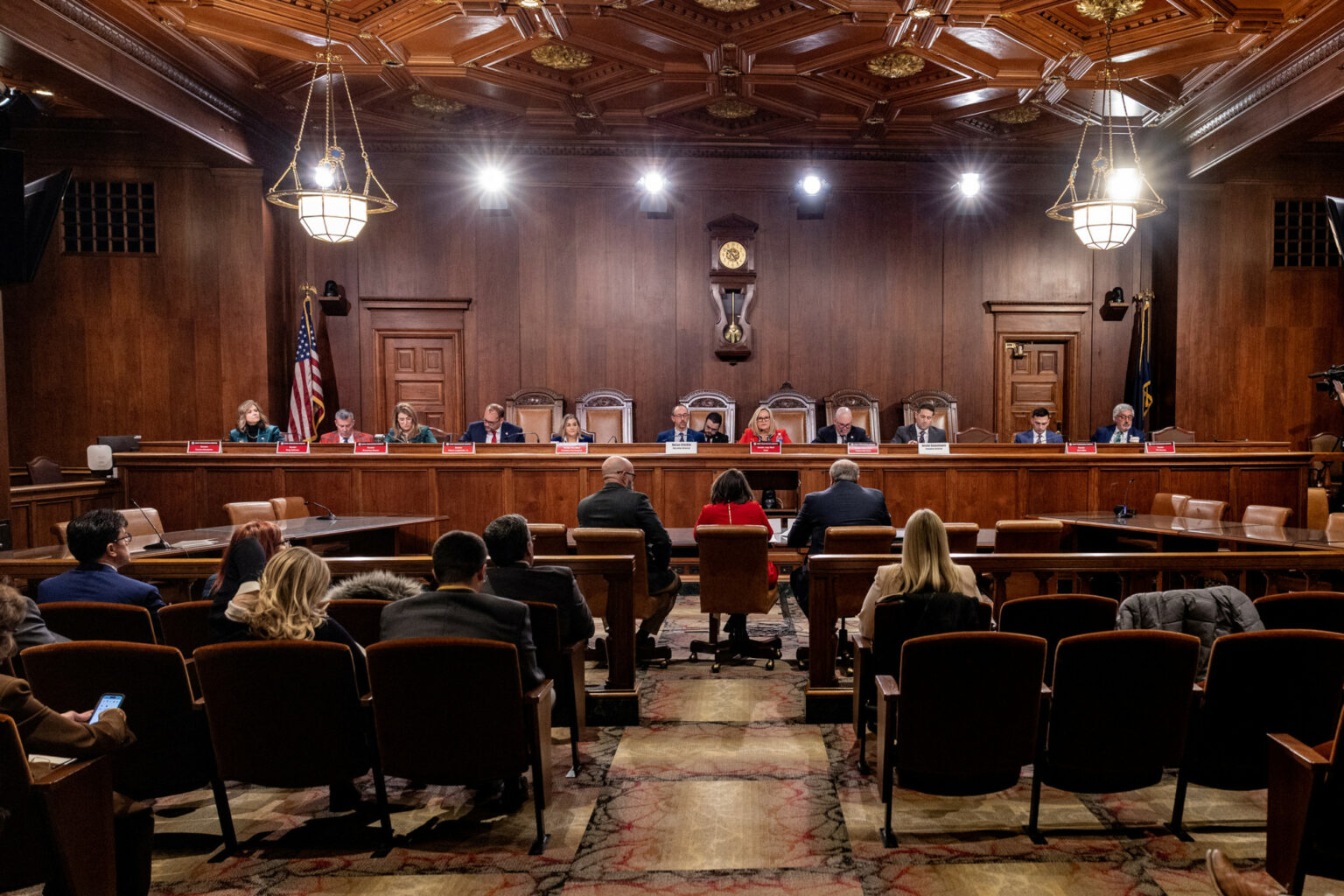
A Senate Committee hearing brought together both state officials and haulage industry leaders to discuss the extent and implications of these licensing issues. The discourse revealed the complexities stemming from federal guidance gaps, inconsistent state-level enforcement, and an incomplete immigration verification network that is yet to become a seamless national system.
Industry Perspective and Concerns
Rebecca Olyer, a leader in Pennsylvania's trucking association, noted the industry's appreciation for the committee's methodical approach. She stressed the need for legislative action to align state laws with federal standards, particularly tightening fraud penalties to ensure public safety. Cross-agency coordination, she argued, is crucial to establish trustworthy, real-time immigration status verification.
The Impact on Haulage Fleets and Operations
Operators in the logistics sector are feeling the strain. Jeff Mercadante of Pitt Ohio shared how his company had to withdraw drivers holding non-domiciled CDLs following verification inconsistencies. The additional internal scrutiny they put those drivers through meant investing both time and money, something smaller fleets cannot always afford.
| Operational Challenge | Опис |
|---|---|
| Verification Delays | Extra background checks slow hiring and onboarding processes. |
| Compliance Costs | Due diligence requires dedicated staff and additional expenses. |
| Limited Driver Pools | Pausing non-domiciled CDLs restricts access to qualified foreign drivers. |
| Regulatory Ambiguity | Federal rules fluctuating, creating backlog concerns when lifted. |
Such operational hurdles directly affect productivity and can hamper a fleet’s ability to meet transport and delivery deadlines, which are critical to logistics and freight forwarding efficiency.
Industry Calls for Fair Enforcement
Anthony Cloud of the Pennsylvania Motor Truck Association highlighted that most non-domiciled HGV licence holders are law-abiding, but the wrongful acts of a few “bad apples” unfairly tarnish the reputation of many. There is a call for stricter punishments not only for individual drivers but also for haulage firms who fail to ensure compliance, underscoring accountability throughout the entire supply chain.
Logistics Implications and Industry Outlook
These licensing challenges are more than just legal headaches; they echo through the logistics and transportation ecosystem. Delays in driver onboarding ripple out to affect dispatch schedules, shipment delivery, and overall supply chain reliability. Companies relying on international and cross-border haulage are especially vulnerable when licensing protocols are in flux.
How This Impacts Cargo and Freight Movement
- Transport Consistency: Regulatory pauses can cause driver shortages, impacting the timely movement of goods.
- Операційні витрати: Increased compliance efforts and background checks add to expense burdens.
- Зменшення ризиків: Stronger fraud detection safeguards the integrity and safety of freight operations.
- Галузева співпраця: Enhanced government and industry cooperation is essential for smooth logistics functioning.
Experience Outweighs Reviews: Making Informed Choices
The issue highlights that even the most thorough reviews and data-driven feedback can’t replace first-hand experience in transport operations management. For shippers and logistics providers who deal with various cargo types—from pallets to bulky household moves—relying on trusted platforms is crucial. Here, GetTransport.com steps up by offering affordable, global solutions to cargo transport challenges, ranging from office relocations to heavy equipment haulage.
By using a platform that provides transparent pricing, reliable matching with carriers, and a variety of transport options, customers can avoid the pitfalls that come from uncertain licensing issues and supply chain disruptions. This smooths the path to seamless forwarding, shipping, and delivery experiences whilst keeping costs and headaches at bay. Book your ride today з GetTransport.com.
Forecasting the Impact on Global Logistics
The Pennsylvania CDL program's current scrutiny might not shake global logistics to its core, but it serves as an important reminder of how interstate licensing policies can influence the broader landscape. Such regulatory hurdles can affect freight mobility, driver availability, and compliance standards across regions. At GetTransport.com, staying in tune with these developments ensures the platform's offerings remain reliable and adaptive, catering to evolving transport and logistics needs.
Почніть планувати наступну доставку та захистіть свій вантаж за допомогою GetTransport.com.
Підбиваємо підсумки.
In summary, Pennsylvania’s defence of its CDL programme amidst federal and industry criticism reveals the complex web of licensing, compliance, and operational challenges that ripple through the trucking and logistics sectors. While the state maintains strong verification protocols, the realities of fraud and misissued licences underscore the constant fight for safety and regulation adherence in freight transport. These issues influence driver availability, fleet operations, and ultimately the smooth shipment and delivery of cargo.
For businesses and individuals navigating these tricky waters, platforms like GetTransport.com offer an invaluable service, tying together reliable transport options with comprehensive logistics management. Whether it’s moving heavy machinery, conducting a house move, or ensuring timely parcel dispatch, the right transport solutions make all the difference. Efficient, cost-effective, and transparent – that’s how logistics should work.