


 Українська
  English (UK)
  Русский
  العربية
  日本語
日本語  한국어
한국어  Magyar
  Türkçe
  Español
  Čeština
  Svenska
  Português
  Ελληνικά
  Suomi
Suomi  Nederlands
  Română
  Italiano
  Français
  Polski
  Deutsch
  简体中文
简体中文  Slovenčina
 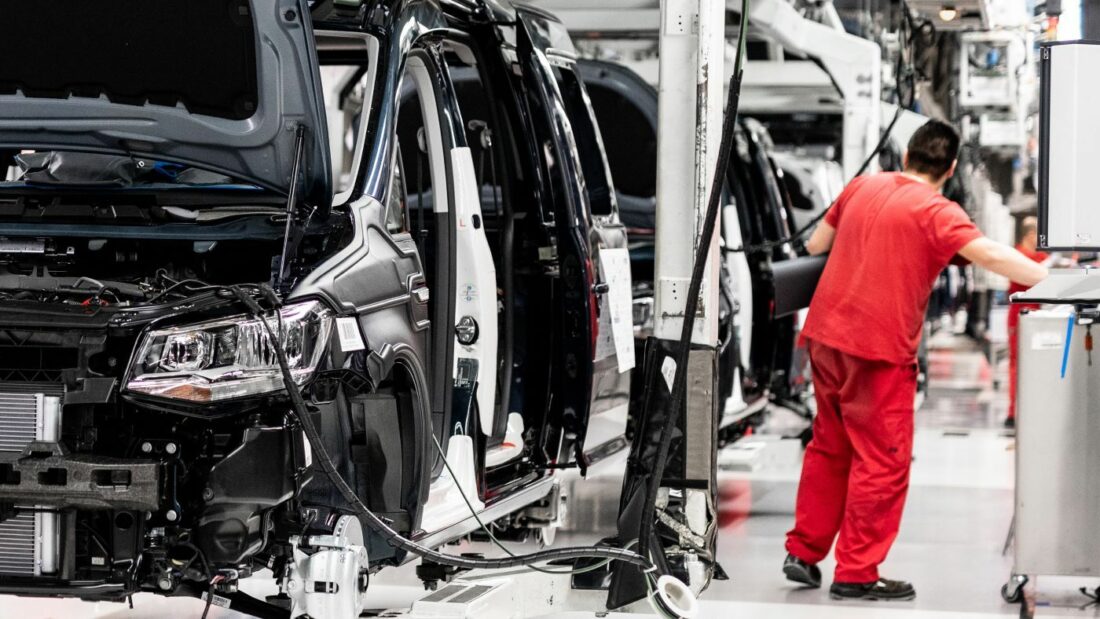 Європейська автомобільна промисловість закликає до прагматичних змін у політиці для стимулювання декарбонізації дорожнього транспорту на IAA Mobility">

The Need for a Pragmatic Shift in Transport Decarbonisation Policy
At the international automotive event IAA Mobility, European car and van manufacturers, gathered under the banner of the European Automobile Manufacturers’ Association (ACEA), reiterated their calls for a more pragmatic, flexible, and technology-neutral policy approach to decarbonise road transport. Ahead of the Strategic Dialogue on the Future of the Automotive Industry with European Commission President Ursula von der Leyen, scheduled for 12 September in Brussels, these industry leaders stressed the urgency to adapt current emission regulations to real-world conditions. The aim is to align decarbonisation efforts with economic security, industrial competitiveness, and social cohesion.
Balancing Emissions Goals with Industrial Viability
Sigrid de Vries, ACEA’s General Director, emphasised that reaching climate targets cannot happen at the expense of industrial competitiveness or economic stability. The strict CO2 emission rules for cars and vans must be revisited considering the current market and technological realities. She pointed out that success lies in creating a conducive environment ensuring zero-emission vehicles become the preferred choice for individuals and businesses alike – no compromises allowed.
Current Market Landscape and Challenges
The automotive sector is undeniably on a fast track towards transformation, with numerous new vehicle models already launched. Yet, electric passenger cars hold only around 15.6% of the EU market for new registrations, indicating a chasm between policy targets and market uptake. When it comes to electric vans, the scenario is even more pressing, with a mere 8.5% share.
This highlights the necessity for targeted policies and support measures tailored to different vehicle segments. In particular, separate policy lanes for passenger cars, vans, and heavy-duty vehicles are needed to address the distinct challenges and drivers in each category effectively.
Key Areas Needing Support
- Інфраструктура заряджання: The speed at which electric vehicles are adopted depends heavily on the availability and accessibility of charging points, both public and private.
- Market Incentives: Clever financial incentives and regulatory stimuli can bridge gaps and encourage the shift to zero-emission options.
- Segment-Specific Strategies: Recognising the unique requirements of vans and heavy vehicles ensures no segment is left trailing behind.
Industrial Competitiveness and Global Supply Chains
The ongoing economic and commercial landscape paints a complex picture for the EU’s automotive industry. A significant dependency on Asian manufacturers for critical battery value chains poses risks, compounded by higher energy prices and regulatory costs in Europe compared to other regions. These factors can undermine the EU’s position in the global automotive market.
To fortify industrial resilience and boost competitiveness, there’s a pressing call to reintroduce industrial and market perspectives into the technological innovation policies that support the transition. Special attention is warranted for encouraging the manufacturing of small, efficient electric vehicles, which can offer significant environmental benefits while supporting homegrown industry.
| Виклик | Impact on Competitiveness | Required Action |
|---|---|---|
| Dependence on Asian Battery Supply Chains | Risk of supply bottlenecks and cost increases | Develop EU battery manufacturing capacity |
| Higher Energy & Regulatory Costs | Higher production costs versus global competitors | Harmonise costs with strategic incentives |
| Insufficient Focus on Small Electric Vehicles | Missed market opportunities and environmental benefits | Promote efficient EV manufacturing in the EU |
Outlook Ahead of the Strategic Dialogue
Representatives of the European automotive industry are gearing up to engage in discussions at the upcoming Strategic Dialogue with key EU policymakers. The decisions made in this forum will significantly shape the trajectory of road transport’s CO2 reduction and influence economic and social stability for years to come.
A recent call from ACEA’s Commercial Vehicles Board stressed the necessity to urgently improve the enabling conditions to realistically meet the 2030 climate targets for commercial vehicles.
Why This Matters for Logistics and Freight Transport
Road transport decarbonisation isn't just about passenger cars; it extends deeply into the logistics sector, which relies heavily on vans and heavy goods vehicles for freight, parcel delivery, and bulky cargo transport. The progress in electric vehicle uptake for these segments directly affects the carbon footprint of global logistics chains.
Improved infrastructure and market incentives in this area can accelerate fleet modernisation, reduce emissions, and make sustainable logistics a viable norm rather than an exception.
Final Thoughts and Industry Impact
While statistical data and expert reviews give vital insights, nothing beats firsthand experience when it comes to understanding the realities of transport decarbonisation. Platforms like GetTransport.com make these transitions smoother by offering affordable, global cargo transportation solutions that adapt to a wide array of logistic needs—from office and home moves to handling bulky goods and vehicle transport.
GetTransport.com stands out for its transparency and convenience, empowering users to make informed decisions at competitive prices without sacrificing reliability. Whether moving pallets, containers, or handling international freight shipments, the platform’s extensive network caters seamlessly to evolving transport demands.
Забронюйте поїздку зараз на GetTransport.com to experience just how effortless and efficient modern logistics can be.
Summary: Navigating Transport Decarbonisation in Europe’s Automotive Sector
The ongoing call for a more flexible, pragmatic, and technologically neutral transport policy in the EU highlights the complex balancing act between environmental goals, industrial competitiveness, and economic stability. Passenger and commercial electric vehicle adoption faces hurdles tied to infrastructure gaps and market realities. Dependence on external supply chains and elevated costs challenge Europe’s global position, signalling a need for strategic support in technology and manufacturing.
For logistics and freight sectors, the outcome of these policies will reverberate widely, impacting how goods are shipped, dispatched, and moved across borders in an increasingly sustainable manner. Platforms such as GetTransport.com align perfectly with these evolving trends by delivering reliable, affordable, and international transport services that accommodate the diverse needs of modern cargo logistics.