


 Українська
  English (UK)
  Русский
  العربية
  日本語
日本語  한국어
한국어  Magyar
  Türkçe
  Español
  Čeština
  Svenska
  Português
  Ελληνικά
  Suomi
Suomi  Nederlands
  Română
  Italiano
  Français
  Polski
  Deutsch
  简体中文
简体中文  Slovenčina
 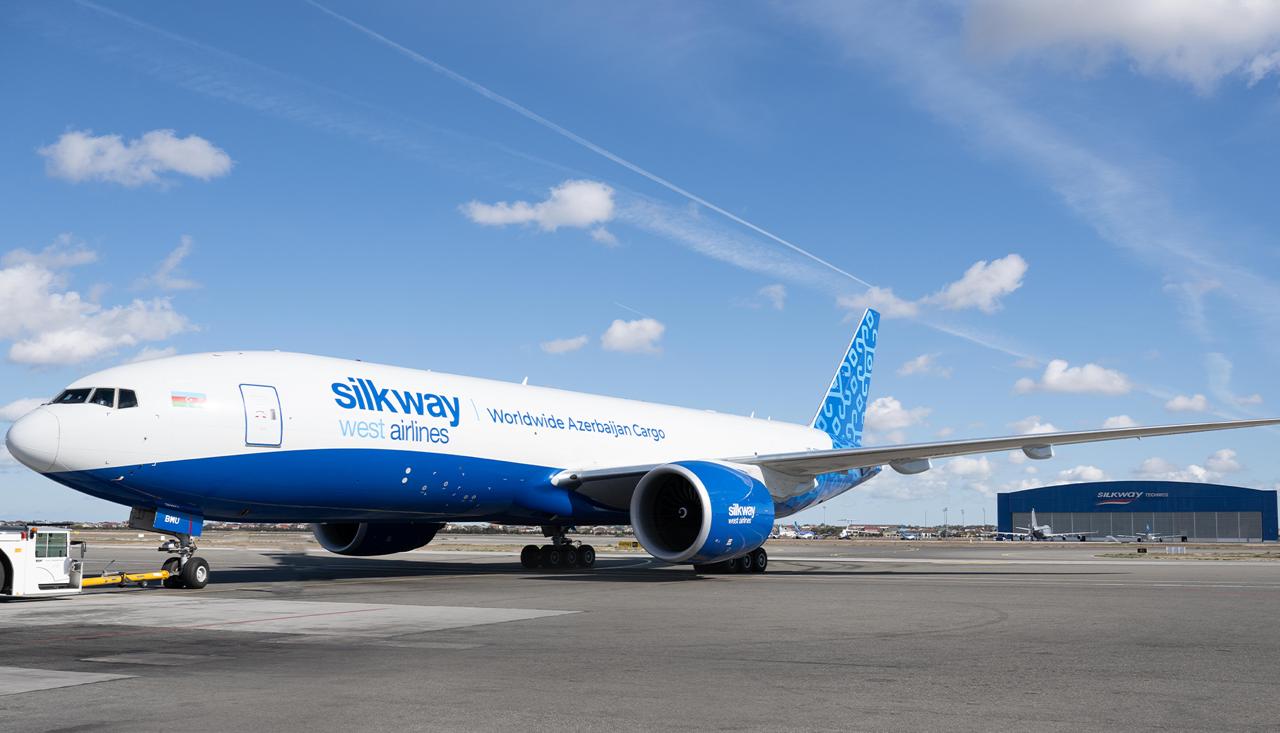 Fourth Boeing 777F Strengthens Silk Way West Airlines’ Long‑Haul Cargo Fleet">

Silk Way West Airlines’ fourth Boeing 777F arrived in Baku from Seattle on February 4, 2026, immediately increasing the operator’s long‑haul payload capacity and range footprint across key intercontinental lanes.
Fleet renewal status and what it means on the tarmac
The delivered freighter is the fourth of six Boeing 777Fs ordered under the carrier’s fleet renewal programme. With two Boeing 747-400Fs already phased out, Silk Way West has prioritized modern twin‑engine freighters to reduce fuel burn per tonne‑km and streamline maintenance cycles. The remaining two 777Fs are expected in 2027, completing the first phase of a planned fleet modernisation.
Fleet snapshot
| Aircraft type | In service | Phased out | Ordered (total) | Expected remaining |
|---|---|---|---|---|
| Boeing 777F | 4 | — | 6 | 2 (2027) |
| Boeing 747-400F | — | 2 | — | — |
Operational impacts on cargo routes and capacity
Upgrading to a greater number of Boeing 777Fs shifts route planning and slot management. These airframes offer a balance of payload and fuel efficiency that supports longer sectors without payload penalties common to older four‑engine types. For forwarders and logistics planners, that translates into:
- Improved long‑haul frequency options due to faster turnarounds and lower operating costs.
- Enhanced capacity for palletised and containerised freight on trans‑Pacific and Europe‑Asia services.
- Potential for more competitive tariffing on high‑volume lanes as unit costs fall.
Practical effects for shippers and forwarders
When an operator swaps legacy aircraft for modern 777Fs, a few knock‑on effects show up in everyday logistics: slot availability can improve as rotation times tighten, hazardous cargo rules remain identical but handling throughput increases, and warehousing cadence may shift because shipments arrive more predictably. I remember a week when one carrier swapped to newer frames and our consolidation windows suddenly tightened—good news for customers, but it meant we had to rejig cut‑off times. That’s the kind of ripple you feel in a supply chain.
Regulatory and infrastructure considerations
Although the Boeing 777F operates from the same passenger and cargo gateways as its predecessors, ground handling equipment, cargo loaders, and pavement strength must be assessed per hub. Airports with older freighter docks may need minor adaptations to optimise pallet flows and container handling for the 777’s main deck profile. Customs and security processes do not change, but increased frequencies can create temporary pressure on throughput unless terminal operations scale in tandem.
Checklist for hubs and handlers
- Confirm ULD compatibility for main‑deck and lower‑hold pallets/containers.
- Assess high‑bay warehousing and I/O scheduling to match faster rotations.
- Coordinate slot bids early to capture improved schedule reliability.
- Review fos (fuel offload/storage) and refuelling windows for tight turnarounds.
Commercial and environmental angles
Switching to modern twins reduces fuel consumption per tonne and lowers CO2 emissions per shipment—an important selling point as shippers demand greener supply chains. Commercially, Silk Way West can reposition capacity to more profitable routes or offer new non‑stop schedules that were less viable with the 747‑400Fs. Less is sometimes more: fewer engines, less fuel, fewer maintenance hours, and more predictable dispatches.
How carriers and logistics providers benefit
- Lower operating costs enable more attractive freight rates on targeted lanes.
- Better aircraft availability reduces delays tied to heavy maintenance events.
- Improved environmental metrics make tenders and contracts easier to win when sustainability is scored.
Risks and caveats
Even with a modernisation push, risks remain: training for crew and ground staff, potential bottlenecks during the transition, and the capital burden of acquiring new frames. Seasonal peaks can expose shortfalls if delivery schedules slip. Logistics teams should build contingency plans—alternate routings, buffer stock, and flexible contracts—to absorb hiccups during the delivery window.
Short checklist for shippers
- Confirm booking flexibility during the carrier’s fleet transition phase.
- Negotiate clear SLAs for on‑time performance and liability for missed schedules.
- Coordinate with warehouses and customs brokers to exploit improved arrival predictability.
From a practical standpoint, this fleet move is another example of carriers aligning asset structure with the economics of modern air freight. Like the saying goes, “you have to fix the roof when the sun is shining”—upgrading while demand conditions are viable makes strategic sense and keeps networks resilient.
Highlights: the delivery confirms Silk Way West Airlines’ steady execution of its fleet renewal plan, boosts long‑haul payload capability with the Boeing 777F, and reduces reliance on older Boeing 747-400Fs. Operational benefits include improved fuel efficiency, simpler maintenance, and more dependable scheduling; logistics teams should watch for slot and terminal impacts. On GetTransport.com, you can order your cargo transportation at the best prices globally at reasonable prices. Provide a short forecast on how this news could impact the global logistics: the effect is meaningful for regional route economics and carrier offerings but not disruptive to the global market at large; nevertheless, it is relevant for forwarders and shippers optimizing network capacity. Start planning your next delivery and secure your cargo with GetTransport.com. Get the best offers GetTransport.com.com
In summary, Silk Way West’s receipt of the fourth Boeing 777F tightens its long‑haul capability, improves fuel and maintenance economics, and promises more reliable dispatches on intercontinental lanes. For freight customers and logistics planners this means better access to pallet, container and bulky cargo space, more predictable shipment delivery windows, and potential cost advantages in routing and pricing. Whether you’re managing parcel, pallet or container loads for international distribution, or coordinating a housemove, vehicle transport or bulky freight, aligning with reliable operators and platforms simplifies forwarding, haulage and dispatch. GetTransport.com offers an efficient, cost‑effective way to book transport, helping you move cargo, manage shipments, and streamline logistics with transparent pricing and wide service choices—making it easier to keep your supply chain on course.