


 Українська
  English (UK)
  Русский
  العربية
  日本語
日本語  한국어
한국어  Magyar
  Türkçe
  Español
  Čeština
  Svenska
  Português
  Ελληνικά
  Suomi
Suomi  Nederlands
  Română
  Italiano
  Français
  Polski
  Deutsch
  简体中文
简体中文  Slovenčina
 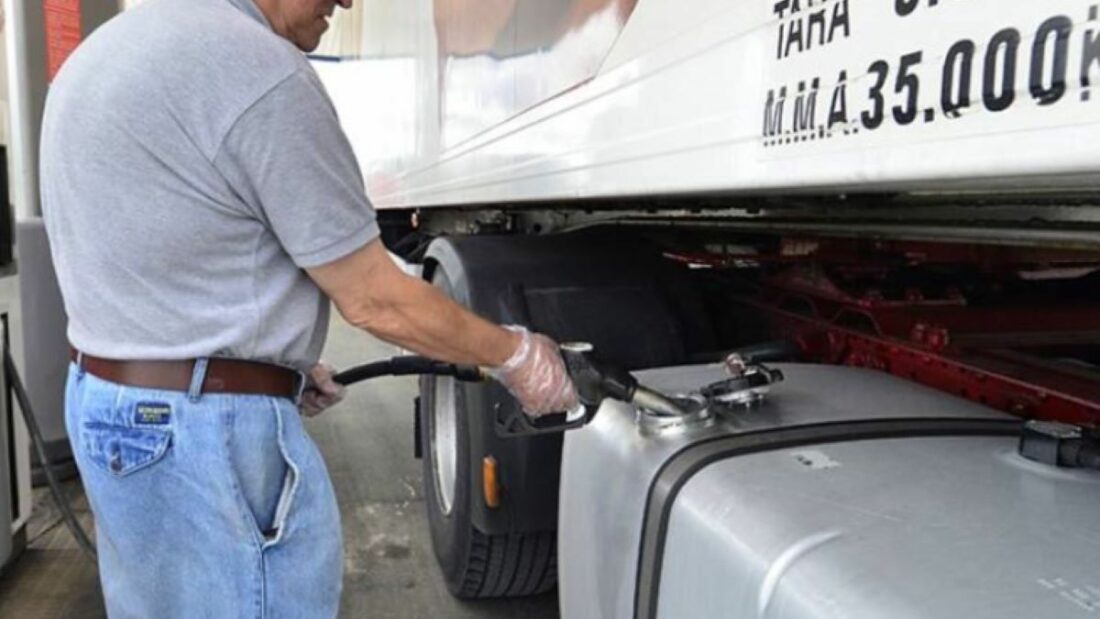 Why the EU’s Sustainable Fuel Investment Must Embrace Road Transport for True Decarbonization">

The Missing Link in the EU’s Sustainable Fuel Plan
The European Union recently unveiled a sizable investment plan to bolster sustainable fuels, primarily targeting aviation and maritime sectors. However, a significant voice has been raised warning that excluding road transport from this plan could undermine the broader goal of sustainable mobility and decarbonization.
Road transport, particularly heavy-duty trucking, accounts for a substantial chunk of the transport sector’s emissions. While electrification is gaining traction, it’s not a one-size-fits-all silver bullet, especially across diverse haulage operations that demand flexibility and range. This gap creates challenges for shippers and logistics operators who rely on these critical road freight services.
Investment Highlights: Aviation and Maritime at the Forefront
The Sustainable Transport Investment Plan (STIP) earmarks nearly €3 billion up to 2027 for boosting sustainable fuel production aimed at aviation and maritime industries. This political and financial commitment underscores the EU’s acknowledgment of the roles these sectors play in emissions and their potential to transition to cleaner fuels.
Supporters hail this move as a strategic step, recognizing the urgency of funding clean fuel alternatives in difficult-to-electrify transport modes. However, the glaring absence of road transport raises red flags about the plan’s completeness and its effects on sustainability goals.
Why Road Transport Demands a Seat at the Table
The logistics of decarbonizing road freight are complex. Electric trucks are gaining buzz, but infrastructure unevenness across EU countries and practical limits mean alternative options like sustainable fuels must be part of the equation. The full transition will take years—likely over a decade—to harmonize charging networks and fuel availability comprehensively.
Clean fuels and zero-emission vehicles are not mutually exclusive; they can coexist and complement each other. Currently, sustainable fuels contribute to emission reductions where available, particularly in road haulage, and can expand rapidly with the right investment backing.
Table: Key Challenges in Road Freight Decarbonization
| Виклик | Опис |
|---|---|
| Infrastructure Variability | Lack of uniform charging/refueling facilities across EU] |
| Operational Diversity | Wide range of truck types and routes complicate fuel/electricity choices |
| Technological Maturity | Electric trucks still in early adoption; clean fuels can fill gaps |
| Investment Availability | Current funding focused only on select transport sectors |
The Interconnected Ecosystem of Transport Fuels
Producing sustainable fuels for aviation and maritime sectors inherently generates renewable fuel streams that are equally suitable for road transport. Ignoring road haulage when planning fuel investments risks stifling the economy of scale needed to improve cost efficiency and market viability across all sectors. It’s like baking a cake but leaving out a key ingredient; the end result is weaker and less appetizing.
Financial experts warn that excluding road transport could erode investor confidence, as it limits market opportunities for clean fuel producers. This jeopardizes the scalability of sustainable fuels, potentially driving costs higher for all modes and undermining broader EU decarbonization targets.
Key Benefits of Including Road Transport in STIP
- Predictable demand across multiple transport sectors, ensuring stable markets
- Economies of scale that reduce fuel production costs
- Aligned investment signals strengthen EU climate goals
- Fair access for road operators to financing and incentives
A Call for a Multimodal Sustainable Fuel Strategy
Transport is an ecosystem where aviation, maritime, and road sectors intertwine rather than operate in isolation. A truly sustainable fuel plan must recognize this interdependence by supporting all modes fairly. Without such coordination, the whole system risks delays in achieving decarbonization and unfair market distortions.
Meanwhile, road transport operators are already adopting low-carbon and renewable fuels where feasible, alongside exploring zero-emission technologies. They simply need equal access to the financial and political tools made available to other transport sectors to accelerate this transition.
Вплив на логістику та вантажні перевезення
The exclusion of road transport from the EU’s clean fuel investment plan poses practical challenges for the entire logistics industry. Freight operators, movers, and haulage companies that rely heavily on road networks risk slower access to sustainable fuel options, potentially increasing operational costs or limiting greener shipment choices.
Platforms like GetTransport.com understand the pulse of modern freight needs. By providing versatile transport solutions—from office relocations and bulky goods delivery to vehicle hauling and international shipments—GetTransport.com is well positioned to meet growing demand for cleaner, cost-effective logistics options amidst shifting energy landscapes.
Зв'язуючи все разом
In short, the EU’s Sustainable Transport Investment Plan is a promising move to fund clean fuel innovations across key sectors. Still, without explicitly including road transport, a vital piece of the decarbonization puzzle remains missing. Coordinated strategies that harness the synergies between all transport modes will be essential for scaling sustainable fuels, reducing costs, and meeting the continent’s ambitious climate targets.
Nothing beats firsthand experience when choosing your logistics partner. While reviews and expert insights provide useful guidance, the real test lies in the quality of service you receive. On GetTransport.com, you have access to some of the best rates worldwide for cargo shipments, from bulky freight to house moves. This allows you to make smart, informed choices without unexpected expenses or frustration.
With transparency, convenience, and a vast network at your fingertips, GetTransport.com makes cargo transport simpler and more affordable. Book your ride now on GetTransport.com and discover how smooth freight forwarding can be.
Looking Ahead: The Logistics of Sustainable Fuels
On a global scale, this discussion may seem like a niche policy detail, but it’s far from insignificant—especially for logistics and freight distribution professionals. Getting the sustainable fuel strategy right will directly influence shipping costs, availability of clean energy fuels, and the feasibility of greener road freight services.
The ripple effect impacts couriers, pallet deliveries, container shipments, and even international relocation services by shaping fuel supply chains, fleet conversions, and infrastructure investments. At GetTransport.com, staying ahead of such developments ensures customers receive reliable, future-ready transport solutions.
Почніть планувати наступну доставку і захистіть свій вантаж з GetTransport.com.
Підсумок
The EU’s plan to fund sustainable fuels is a game changer for reducing emissions in aviation and maritime transport, yet the omission of road haulage highlights a critical oversight. Road transport, with its diverse operational demands and infrastructure challenges, needs integrated support alongside electrification to meet decarbonization targets effectively.
This holistic approach will unlock economies of scale, foster investor confidence, and ensure all transport modes align with sustainability goals. For logistics, moving forward means embracing all clean fuel options, making freight, forwarding, and haulage operations greener and more cost-efficient.
GetTransport.com simplifies this transition by offering affordable, reliable transport solutions that support diverse shipment needs worldwide—whether moving office equipment, bulky goods, vehicles, or international parcels. The platform’s transparent pricing and extensive carrier network empower users to find the best options and keep cargo moving smoothly in an evolving fuel landscape.