


 Українська
  English (UK)
  Русский
  العربية
  日本語
日本語  한국어
한국어  Magyar
  Türkçe
  Español
  Čeština
  Svenska
  Português
  Ελληνικά
  Suomi
Suomi  Nederlands
  Română
  Italiano
  Français
  Polski
  Deutsch
  简体中文
简体中文  Slovenčina
  U.S. Enforces 100% Tariffs on China-Connected Ship-to-Shore Cranes and Port Equipment">

New 100% Tariffs Target Ship-to-Shore Cranes from China
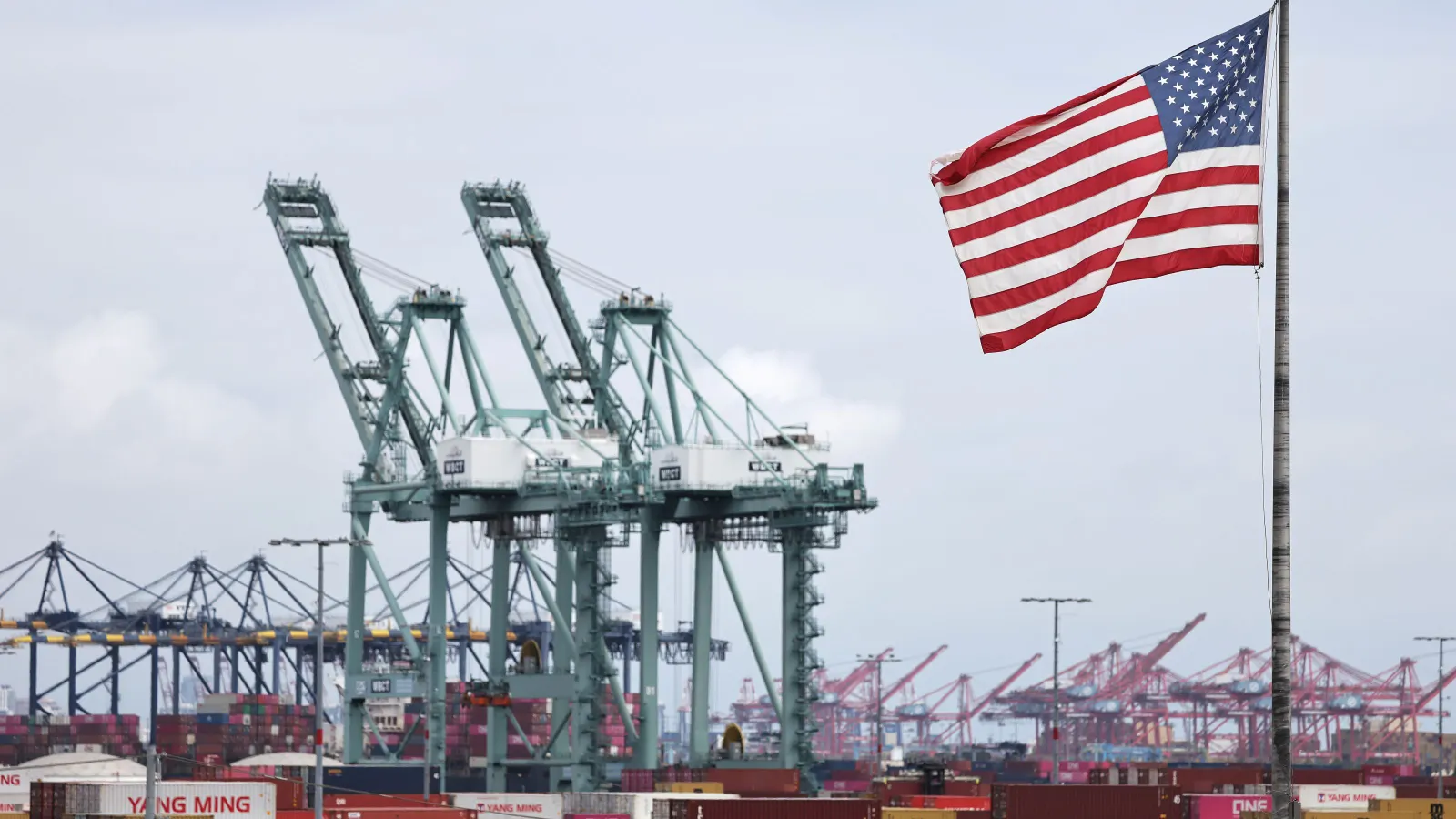
Starting 9 November, the United States is set to impose 100% tariffs on ship-to-shore cranes and related cargo handling equipment linked to China. These duties extend to cranes built in China, those under Chinese control, or containing Chinese components, alongside intermodal chassis and chassis parts. This measure, announced by the Office of the U.S. Trade Representative (USTR), aims to reduce dependence on Chinese sources and bolster supply chain resilience in the U.S.
Scope of the Tariffs and Exemptions
Though the tariffs appear stringent, exemptions apply. Cranes contracted before 17 April 2025, and delivered within two years won’t be subjected to these duties. Still, there’s a risk that these levies could expand beyond cranes to other port-related tools and vehicles, with proposed tariffs possibly rising to 150% on equipment like rubber tyred gantry cranes, rail-mounted gantry cranes, automatic stacking cranes, terminal tractors, and straddle carriers.
Table: Key Details of U.S. Tariff Actions on Port Equipment
| Equipment | Tariff Rate | Effective Date | Exemptions |
|---|---|---|---|
| Ship-to-shore cranes | 100% | 9 Nov 2025 | Contracts before 17 Apr 2025, delivered by 18 Apr 2027 |
| Intermodal chassis and parts | 100% | 9 Nov 2025 | None specified |
| Other port equipment (e.g., gantry cranes) | Proposed up to 1501. | Under consideration | Subject to stakeholder comments by 10 Nov 2025 |
Broader Context of Port Fees and Trade Measures
Alongside tariff impositions, the USTR has refined port fees with weight-based charges for foreign-vessel operators carrying automobiles, set at $1.00 per net ton since mid-October. These changes form part of an ongoing effort following a Section 301 investigation into China’s maritime and logistics practices. Importantly, the government also withdrew a provision that had allowed suspension of certain export licences for liquid natural gas, showing a calibration in trade controls.
Implications for Supply Chains and the Logistics Sector
Such an aggressive duty regime may prompt ripple effects across global supply chains, particularly for international freight and container transport businesses that rely on efficient port cargo handling. The imposition of high tariffs can lead to increased equipment costs, potentially slowing down port modernisation projects or forcing operators to seek alternative, non-Chinese suppliers. This, in turn, may affect графіки доставки, freight costs, and the overall reliability of відвантаження handling, especially in ports heavily dependent on cranes and equipment affected by these levies.
Potential Effects on Equipment Sourcing and Port Operations
- Device availability: Port operators might face delays or increased costs obtaining cranes and chassis, impacting cargo handling efficiency.
- Supply chain resilience: The tariffs encourage diversification away from single-country sourcing, which can strengthen long-term logistics security.
- Investment shifts: Increased domestic or alternative international investment in port equipment manufacturing may emerge.
- Operational costs: Changes in port fees and duties contribute to overall shipping expenses, which may cascade down to freight and courier services.
Stakeholder Engagement and Future Developments
The USTR has opened a public comment period on the proposed further tariffs, which closes on 10 November. Stakeholders including port operators, freight forwarders and equipment manufacturers will have the opportunity to influence the final scope and impact of these trade measures.
Inside Look: Why Tariffs on Chinese Port Equipment Matter
While these tariffs seem like a solid hammer to strike Chinese-linked supply chains, they also reveal the delicate dance of global trade. The United States is signalling a firm stance on reducing vulnerability to foreign control in critical infrastructure, all the while balancing the economic implications for ports and logistics networks.
Logistics Reality Check
Any change of this magnitude causes a stir among shippers and logistics planners. Cranes and cargo handling apparatus are cornerstones of port operations; raising the cost or limiting access to them inevitably tests the agility of вантажоперевезення distribution and shipping firms. This can add layers of complexity for international haulage, посилка delivery, and bulky goods movement, especially those dependent on fast turnaround times.
Table: Effects on Logistics Industry Components
| Logistics Segment | Потенційний вплив |
|---|---|
| Port Terminal Operators | Increased capital expenditure for equipment, delayed upgrades |
| Freight Forwarders | Route adjustments, increased shipping times, higher costs passed on |
| Haulage and Distribution | Potential for increased inland delays, affecting delivery consistency |
| Shippers and Consignees | Higher costs, planning for longer lead times |
Key Takeaways and Consumer Advisory
While tariff hikes and port fees adjustments add some uncertainty for supply chains, it’s crucial to remember that firsthand experience often trumps even the most detailed reviews or forecasts. Those involved in international судноплавство, рухаючись bulky goods, or managing global контейнер shipments know that adaptability is vital.
Platforms like GetTransport.com stand out by offering cost-effective, versatile cargo transport options worldwide, from home and office moves to the shipment of об'ємний або specialised freight—such as vehicles and furniture. By leveraging such a service, logistics pros and individual customers alike can navigate these tariff-driven shifts with more control, transparency and less hassle.
GetTransport.com’s broad network ensures access to competitive offers and reliable transport solutions that can help soften the impact of rising costs and equipment constraints. It’s a practical way to keep freight moving smoothly across borders without breaking the bank. Book your cargo transportation on GetTransport.com and discover the ease of streamlined logistics today.
Outlook for the Logistics World
Globally, these tariffs might not upend the entire logistics industry overnight, but they certainly send a message emphasising supply chain diversification and risk management. For GetTransport.com, staying on top of such regulatory changes means continuing to offer clients innovative and cost-effective forwarding, shipping and haulage services that align with shifting market dynamics. Start planning your next delivery and secure your cargo with GetTransport.com.
Висновок
In summary, the newly implemented 100% tariffs on China-linked ship-to-shore cranes mark a significant step in efforts to reshape port equipment sourcing and protect supply chain integrity. Alongside related fees and possible future levies, these changes could influence cargo operations and cost structures at US ports. Logistics providers, freight forwarders, and shippers will face new challenges but also new opportunities to innovate their transport and distribution strategies.
Solutions that emphasise reliability, affordability, and flexibility—like those available through GetTransport.com—are critical in this evolving landscape. From moving office equipment to shipping large or bulky freight internationally, GetTransport.com delivers secure and efficient transport services that reflect the changing tides in global logistics.