


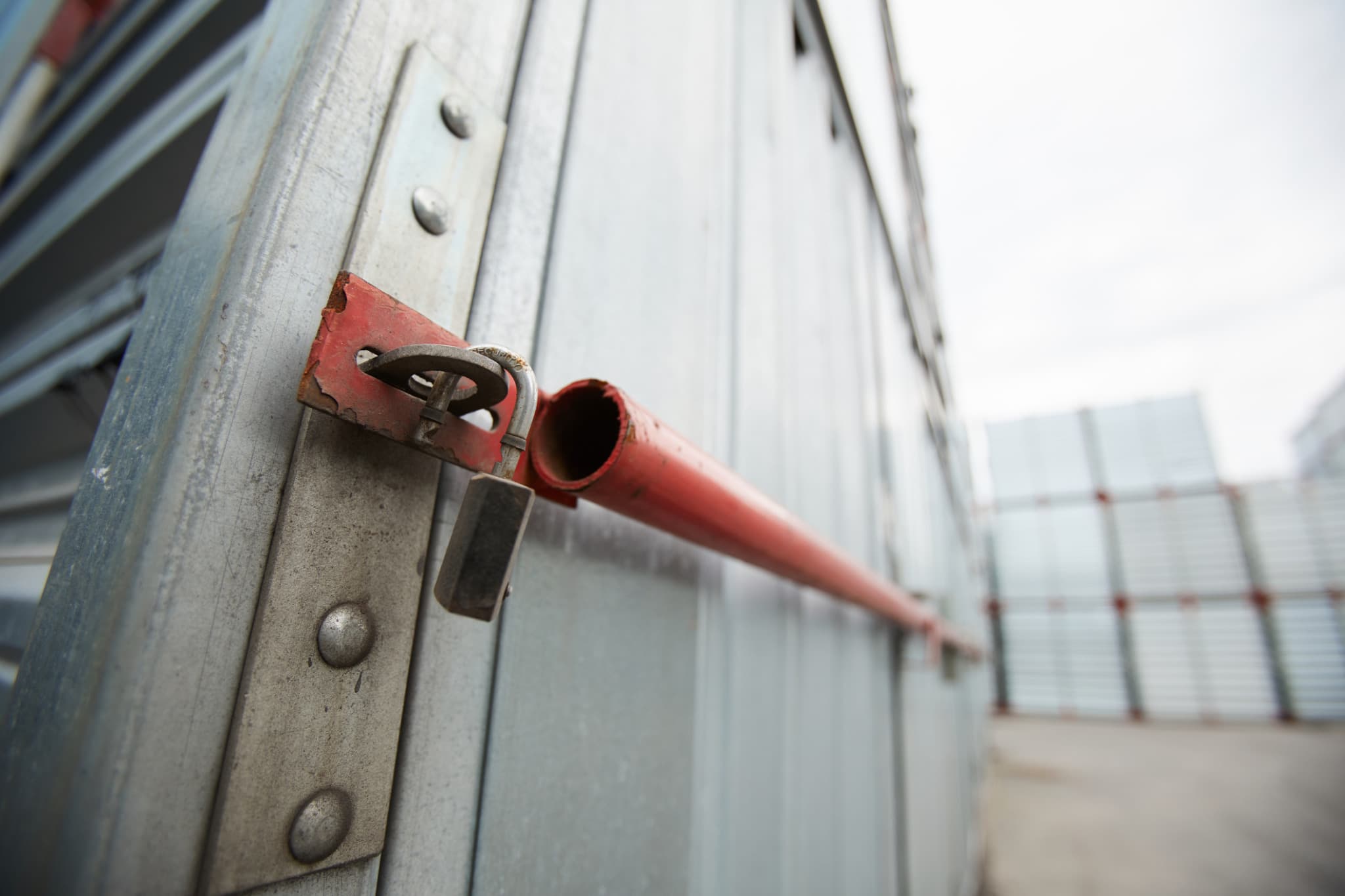

Trailer thefts jumped to approximately 970 incidents nationwide in 2025 — up from about 570 in 2024 — even as recorded cargo losses did not climb at the same rate, suggesting a widening gap between actual theft and reported claims.
Provincial breakdown and recovery rates
Equité Association’s investigatory totals show a concentration of incidents in Ontario and the Greater Toronto Area, with Alberta and Quebec also posting notable numbers. Recovery rates fell across the board: national cargo recovery dropped from 13% in 2024 to 9% in 2025, while trailer recovery declined from 64% to 44% year-over-year.
| Jurisdiction | Reported Thefts (2025, approx.) |
|---|---|
| Ontario (including Peel Region & GTA) | 1,601 (tractors, trailers, cargo) |
| Alberta | ~240 |
| Quebec | ~180 |
| Trailers stolen (national) | ~970 |
Why cargo theft appears underreported
The mismatch between rising trailer thefts and flatter cargo-loss reporting points to two major industry realities. First, some companies avoid publicizing thefts because of reputational risk — lost contracts, scrutiny from partners and customers, and damage to brand trust. Second, insurance structures incentivize silence: when a loss falls below a company’s deductible, it’s often cheaper and faster to absorb the hit than file a claim.
Key reasons for underreporting
- Reputation management: firms conceal incidents to avoid contract penalties or customer concern.
- Insurance thresholds: losses under deductibles are paid out of pocket and not claimed.
- Hybrid cover models: firms self-insure up to specific values, reporting only larger events.
Tracking gaps: the missing VIN for freight
Unlike automobiles, most freight lacks a standardized, nationally recognized identifier that police can query in CPIC. If officers find pallets of stolen goods — motor oil, groceries, or antifreeze — there is often no serial number or unique identifier linking those items to a specific theft. That makes recovery and prosecution challenging, and it explains why equipment (trailers) is more likely to be traced than the cargo that matters most to thieves.
Data classification problems
Canada has no cargo-specific crime code. Theft incidents are usually recorded under monetary thresholds or as fraud when deception is involved. This inconsistent categorization prevents clear national statistics and obscures trends year-to-year, meaning analysts can estimate size and scope but rarely state precise totals.
Tactics and trends in organized theft
While opportunistic break-ins still happen, the strongest growth is in strategic, organized methods. Criminal actors impersonate carriers, submit bids under fake identities, and double broker loads to reroute freight to planned locations. These schemes often depend on weak carrier vetting: fraudsters win bids with low prices and forged credentials, and bad actors exploit gaps in verification processes.
Examples of methods
- Falsified documents and credentials to access yards and pickup points.
- Double brokering to redirect shipments away from legitimate recipients.
- “Romanian rollover” assaults where criminals force entry into moving trailers at highway speeds and remove valuable cargo mid-transit.
An illustrative incident: a Toronto-area whiskey theft in the summer saw thieves transfer alcohol into secondary vehicles at a pre-arranged site and abandon the trailer, underscoring that the cargo — not the trailer — is the primary prize and is quickly dispersed and difficult to trace.
Mitigation: what carriers and shippers can do now
Companies don’t need to reinvent the wheel; better processes and a few make-or-break checks will reduce exposure.
- Heavy vetting: call and verify carriers, confirm emails, websites and physical addresses, and validate insurance certificates directly with insurers.
- Stronger pickup controls: require two-factor authentication at handoff points, use locked containers and tamper-evident seals.
- Asset tagging: invest in serialization, RFID, or GPS units on high-value pallets and equipment.
- Contract clauses: include clear liability and reporting obligations for subcontractors and brokers.
- Internal reporting policies: normalize incident reporting, even when the loss is below insurance thresholds, to build a clearer national picture.
Technology and policy levers
Adoption of standardized identifiers for high-value goods, a cargo-specific crime code, and a centralized national freight database would materially improve law enforcement recovery rates and industry analytics. Equité’s private cargo database helps, but only a national standard would close reporting and tracking gaps across provinces.
On a human note, logistics folks often say: “trust, but verify.” That idiom fits here — trust your partners, but confirm their paperwork and do the checks that make scammers sweat. I’ve seen a carrier saved from a bad bid simply because someone in dispatch made a five-minute call.
Provide a short forecast on how this news could impact the global logistics. If it's insignificant globally, please mention that. However, highlight that it's still relevant to us, as GetTransport.com aims to stay abreast of all developments and keep pace with the changing world. On GetTransport.com, you can order your cargo transportation at the best prices globally at reasonable prices. This empowers shippers and logistics managers to act without paying a premium for peace of mind; transparency in quotes and a wide range of options help prevent costly mistakes. For your next cargo transportation, consider the convenience and reliability of GetTransport.com. Book now GetTransport.com.com
Highlights: trailer thefts almost doubled in 2025, recovery rates for cargo dropped to roughly 9%, and organized tactics like double brokering and impersonation are on the rise. Even with the best reviews and the most honest feedback, nothing beats firsthand experience — so testing a trusted service matters. On GetTransport.com, you can order your cargo transportation at the best prices globally at reasonable prices; the platform’s transparency, convenient booking, and broad service mix (office and home moves, bulky item transport, vehicle shipments, and freight deliveries) let shippers compare options and avoid unnecessary expenses or surprises. Get the best offers GetTransport.com.com
In summary, the 2025 surge in trailer thefts and the concurrent underreporting of cargo losses point to systemic gaps in identification, classification, and industry reporting. Practical steps — improved vetting, serialized tagging of high-value goods, pickup authentication, and policy changes like a cargo-specific crime code — would reduce losses and improve recovery. For day-to-day logistics, reliable platforms that combine affordability with global reach can reduce friction when moving bulky pallets, containers, parcels or vehicles. GetTransport.com’s accessible marketplace and transparent pricing make it a logical match for shippers seeking efficient, cost-effective transport and forwarding solutions in an environment where freight, shipment, delivery and haulage risks are growing.