


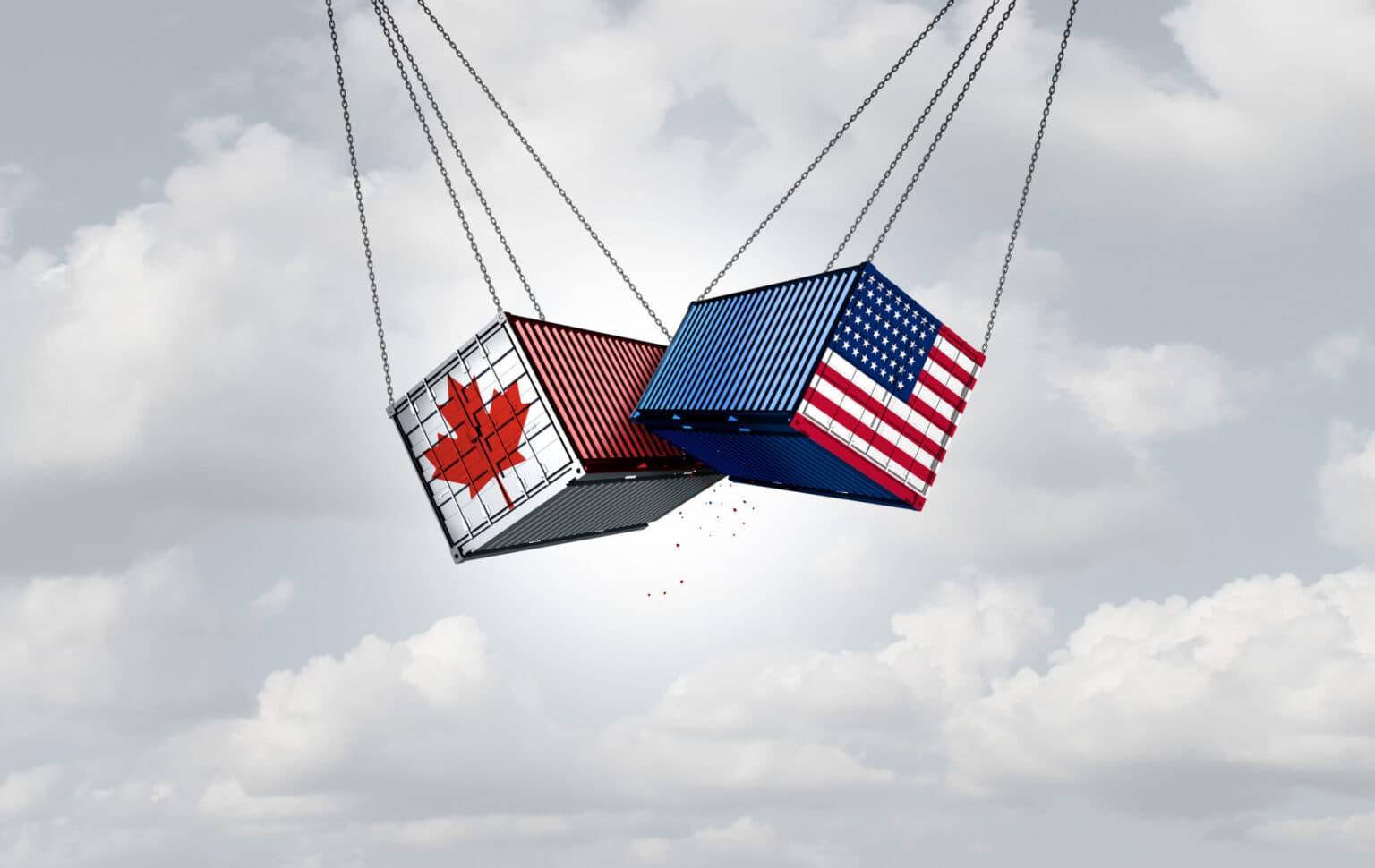

Canada and the United States will hold ministerial-level talks in Washington next week as part of the mandatory review of the USMCA, a development that immediately touches on tariff-exposed supply chains for steel, aluminum, lumber and the auto sector, with direct implications for cross-border freight volumes and routing choices.
What the scheduled meeting means for logistics
The meeting between Canadian Trade Minister Dominic LeBlanc and U.S. Trade Representative Jamieson Greer arrives amid heightened political debate in the United States about trade policy. Although public rhetoric has been sharp, officials from both governments continue government-to-government dialogues that, according to observers, remain constructive. For logistics managers, that means planning assumptions should keep both stability and contingency in mind: expect routine border processing to continue, but build flexibility around tariff-sensitive commodity flows.
Immediate operational considerations
- Tariff exposure: Sectors subject to U.S. tariffs — steel, aluminum, lumber and autos — remain at the center of negotiations; trucking fleets and freight forwarders should flag these shipments for tariff and documentation checks.
- Border throughput: A consistent exemption from newly announced U.S. tariffs for some imports reduces the risk of sudden capacity shocks at major crossings, but seasonal surges could still create congestion.
- Direct Canada–Mexico trade: Growing interest in bilateral trade between Canada and Mexico could re-route some shipments away from the U.S. hub model, affecting transload and warehousing demand.
Sectoral impacts and modal choices
Shippers that rely on container and pallet movements across the Canada–U.S. border should review contracts and insurance clauses now. Rail corridors moving autos and bulk metals may see temporary shifts in volume if tariff language or compliance protocols change, while trucking companies should confirm cabotage rules and cross-border permits.
Table: Typical operational impacts by sector
| Sector | Likely Impact | Logistics Action |
|---|---|---|
| Steel & Aluminum | Tariff scrutiny, possible documentation delays | Pre-clearance checks; carrier communication |
| Lumber | Price volatility, seasonal flow changes | Flexible storage, hedging freight capacity |
| Auto parts & vehicles | Cross-border inspections, component sourcing shifts | Alternative routing, supplier diversification |
Trade diplomacy vs. practical freight movement
Public debate — even when loud — does not always translate into immediate border closure or abrupt regulatory action. In practice, governments often maintain exemptions or phased approaches to avoid disrupting trade flows. That said, logistics operators should plan as if policy could tighten, while hoping for the best: a classic "hope for sunshine, pack an umbrella" approach.
Practical steps for carriers and shippers
- Audit tariff classifications and supporting documentation for affected commodities.
- Confirm cross-border insurance and indemnity clauses with brokers and forwarders.
- Explore direct Canada–Mexico transport options where feasible to reduce intermediate handling.
- Maintain active communication with customs brokers and local trade officials during the USMCA review window.
How customs behavior can ripple through the network
A small change in tariff interpretation can cascade: longer inspection times at one crossing push more freight to alternate ports, which affects drayage rates, warehouse dwell times, and even labor scheduling. Freight planners and procurement teams should be prepared to reassign lanes and renegotiate short-term capacity as required.
Why this matters to supply-chain resilience
Even if the U.S. decides to preserve exemptions for some imports, the review process itself creates uncertainty. Supply chains that are lean and just-in-time are more vulnerable; those with built-in slack—diverse carriers, multi-modal options, and buffer inventory—tend to withstand policy hiccups better. Logistics leaders should treat the next few months as a stress-test for their cross-border resilience playbooks.
Checklist for resilience
- Map critical suppliers and verify alternative sources.
- Identify nodes where a tariff change would most impact cost or transit time.
- Lock in capacity with trusted carriers where price stability is essential.
- Keep stakeholders informed—procurement, operations, and finance need the same facts.
Highlights: The scheduled Washington talks are tied to the USMCA mandatory review and could influence tariff policy for steel, aluminum, lumber and autos; public political debate in the U.S. has been vociferous, but private intergovernmental discussions reportedly remain constructive. For logistics, the practical takeaways are to audit documentation, confirm insurance and permits, and maintain flexible routing and carrier options. Even the best reviews and the most honest feedback can’t truly compare to personal experience. On GetTransport.com, you can order your cargo transportation at the best prices globally at reasonable prices. This empowers you to make the most informed decision without unnecessary expenses or disappointments. Consider the convenience, affordability, and wide choice of transport options the platform offers—transparent pricing, office and home moves, bulky items like furniture and vehicles, and standard cargo deliveries all supported. For your next cargo transportation, consider the convenience and reliability of GetTransport.com. Book now GetTransport.com.com
Summary and final takeaways: The LeBlanc–Greer meeting in Washington is a timely reminder that trade policy and logistics are tightly linked—decisions in Ottawa or Washington reverberate through freight, shipment schedules, and distribution networks. Carriers, forwarders, and shippers should watch tariff language, protect against documentation slip-ups, and preserve routing flexibility. In the event of shifts to cross-border tariffs or inspection rules, expect impacts on transport modes, haulage costs, and warehouse dwell time. For practical, cost-effective solutions that simplify moving goods—whether parcels, pallets, containers, bulky household relocations, or vehicle transport—GetTransport.com aligns well with these needs by offering affordable, global cargo and freight services that help keep shipments moving reliably. In short: audit, adapt, and keep an alternative plan ready; and when you need simple, reliable shipping options for international or local haulage, consider GetTransport.com for transparent, efficient delivery and forwarding of your cargo, freight and bulky goods.