


 Українська
  English (UK)
  Русский
  العربية
  日本語
日本語  한국어
한국어  Magyar
  Türkçe
  Español
  Čeština
  Svenska
  Português
  Ελληνικά
  Suomi
Suomi  Nederlands
  Română
  Italiano
  Français
  Polski
  Deutsch
  简体中文
简体中文  Slovenčina
 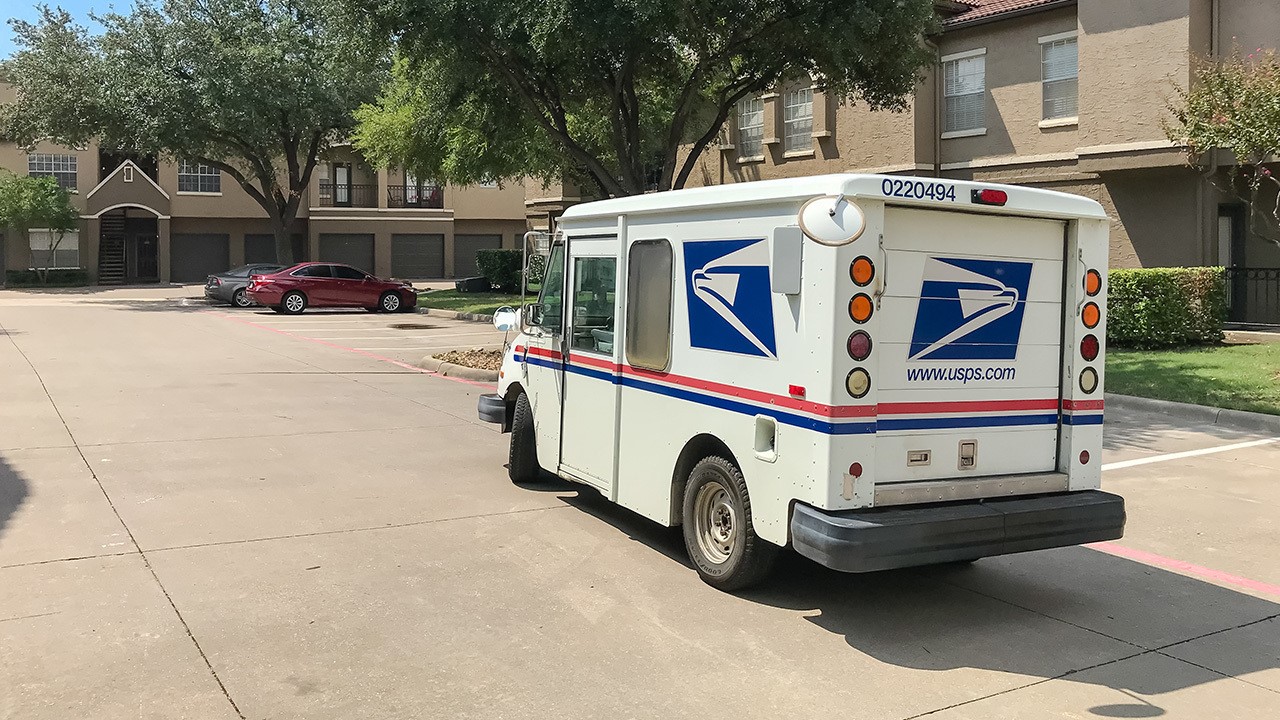 How USPS’s New Approach to Last-Mile Delivery Could Shift the Shipping Landscape in 2025">

USPS Shifts Gear on Last-Mile Delivery Focus
The U.S. Postal Service (USPS) is steering its strategy toward expanding last-mile delivery services in a bid to boost revenue streams and deepen partnerships with large shippers. This pivot reverses previous policies and aims to capitalize on USPS’s unmatched reach across every household in America.
Why Last-Mile Delivery is Now the Centerpiece
Despite improvements in middle-mile operations from distribution center consolidations over recent years, USPS recognizes that its foremost strength lies in first- and last-mile delivery capabilities. These involve the crucial segments of shipping: the initial pickup to shipment handling and the final drop-off at the recipient’s doorstep.
Under former leadership, USPS distanced itself from a workshare model that allowed parcel consolidators to inject bulk mail and parcels into local post offices for house delivery. This decision included cutting ties with major partners like UPS for certain last-mile deliveries.
However, recent tentative agreements, such as the one with UPS to handle last-mile delivery for its budget Ground Saver service, underscore a strategic realignment. UPS found self-delivery more costly than anticipated, while USPS’s mandate and infrastructure make it the go-to for cost-effective coverage, especially in rural areas.
Expanded Partnerships and Revenue Opportunities
Postmaster General David Steiner, who previously had ties with FedEx, champions a broader partnership approach. He envisions USPS working not only with top-tier shippers but also smaller retailers aiming to provide next-day or same-day delivery to customers. The idea is to maximize the use and monetization of USPS’s massive delivery network and facilities.
In addition to enhanced delivery services, USPS is exploring convenient e-commerce return solutions via its extensive network of over 33,000 post offices nationwide. This could streamline reverse logistics, an area ripe for growth given the surge of online shopping and the growing importance of hassle-free returns.
The Catch: Industry Concerns and Potential Downsides
However, this pivot is not without critics. Industry experts warn about potential cannibalization of USPS’s own parcel services like Ground Advantage and Priority Mail. By expanding last-mile services for competitors, USPS might inadvertently empower entities that compete with its core products. Some suggest USPS should specialize further in last-mile delivery and quit some other services to avoid market overlap.
Moreover, the logistics of retailers attempting to participate in a renewed workshare program remain challenging, as most lack package density that allows sorting at granular zip code levels. Instead, shippers might load packages into the system regionally.
USPS Financial Situation and 2025 Outlook
| Financial Year | Operating Revenue (Billion $) | Operating Loss (Billion $) |
|---|---|---|
| 2024 | 79.5 | 1. 8 |
| 2025 (Estimated) | 80.5 | 2. 7 |
| 2026 (Target) | 83.8 | 1.8 (Projected) |
The USPS is battling notable revenue decline stemming from plummeting mail volumes—losing billions annually as consumer habits shift in the digital era. Still, the strategic refocus aims for a modest revenue uptick of 3% in 2026 and a reduction in losses by improving volume management and cost efficiencies.
Key Financial Challenges and Revenue Drivers
- Loss of approximately $85 million yearly revenue over two decades due to fewer mailed pieces.
- Package services and first-class mail expected to grow, but marketing mail revenue dips during non-election years.
- International parcel shipping continues to decline due to tariff policy changes limiting tariff exemptions on smaller e-commerce shipments.
Implications for the Logistics and Transport Sector
Expanding USPS’s role in last-mile delivery can ease the burden on private couriers, particularly in less accessible areas where building delivery networks is costly and inefficient. This can affect freight and parcel forwarding by shifting certain routes and volumes to USPS, potentially lowering shipping costs for budget services.
For logistics planners, this means a more versatile array of transportation options for shipments, including bulky goods and large consignments needing reliable last-leg distribution. Using a platform like GetTransport.com, which offers global cargo transportation solutions including bulky items, furniture, and vehicle moves, customers can complement USPS services or choose alternative coverage suited to their logistics demands.
Last-Mile Delivery: Why It Matters for Global Shipping
The last mile often accounts for the highest cost slice of parcel delivery, due to complexity and labor intensity. The USPS’s extensive coverage—including rural and hard-to-reach areas—is a crucial asset in the U.S. supply chain. Expanding this service holds promise for increasing delivery reliability while also potentially smoothing the path for returns and reverse logistics — an increasingly important segment in e-commerce.
Highlights and User Experience
While expert reviews and analysis provide valuable insights into USPS’s operational adjustments and financial strategies, nothing beats firsthand experience. With services increasingly tailored to varied parcel sizes, delivery timeframes, and geographic needs, customers can better choose what fits their requirements. On platforms like GetTransport.com, users enjoy transparent pricing, a broad choice of transport options, and the convenience of handling everything from home and office moves to heavy freight and vehicle transfers.
This level of ease and affordability empowers shippers to make informed decisions without overspending or facing delivery hiccups. Book your transportation with GetTransport.com and enjoy efficient shipping solutions aligned with today’s dynamic logistics needs.
Погляд у майбутнє: Ширший вплив на логістику
This renewed USPS focus on last-mile delivery may not radically disrupt global logistics, given its primarily domestic footprint. However, for the U.S. market, it marks a significant development. The move could relieve pressure on private carriers, reduce shipping costs, and expand service coverage for all types of cargo shipments.
Remaining alert to such shifts is crucial for logistics providers. GetTransport.com remains committed to staying ahead of market changes, offering solutions that adapt to delivery innovations and shifting customer expectations. Start planning your next delivery and secure your cargo with GetTransport.com.
Підсумок
The U.S. Postal Service’s strategic shift to amplify last-mile delivery services aims to revitalize its revenue base by leveraging its unmatched delivery infrastructure. By reopening doors to partnerships with major shippers like UPS and exploring new avenues such as e-commerce returns, USPS seeks to maximize the value of its expansive network. This approach also introduces challenges around product overlap and competitive dynamics, but the potential upside for both USPS and its partners is considerable.
For logistics and freight forwarding, this means more reliable and cost-effective last-leg solutions—especially in rural or difficult-to-serve regions. Shipping customers using platforms like GetTransport.com can benefit from flexible and transparent transport options for diverse freight needs, including bulky, international, or time-sensitive shipments. Ultimately, USPS’s renewed focus complements the broader logistics ecosystem, offering a valuable piece of the puzzle in efficient parcel and cargo distribution.