


 Українська
  English (UK)
  Русский
  العربية
  日本語
日本語  한국어
한국어  Magyar
  Türkçe
  Español
  Čeština
  Svenska
  Português
  Ελληνικά
  Suomi
Suomi  Nederlands
  Română
  Italiano
  Français
  Polski
  Deutsch
  简体中文
简体中文  Slovenčina
 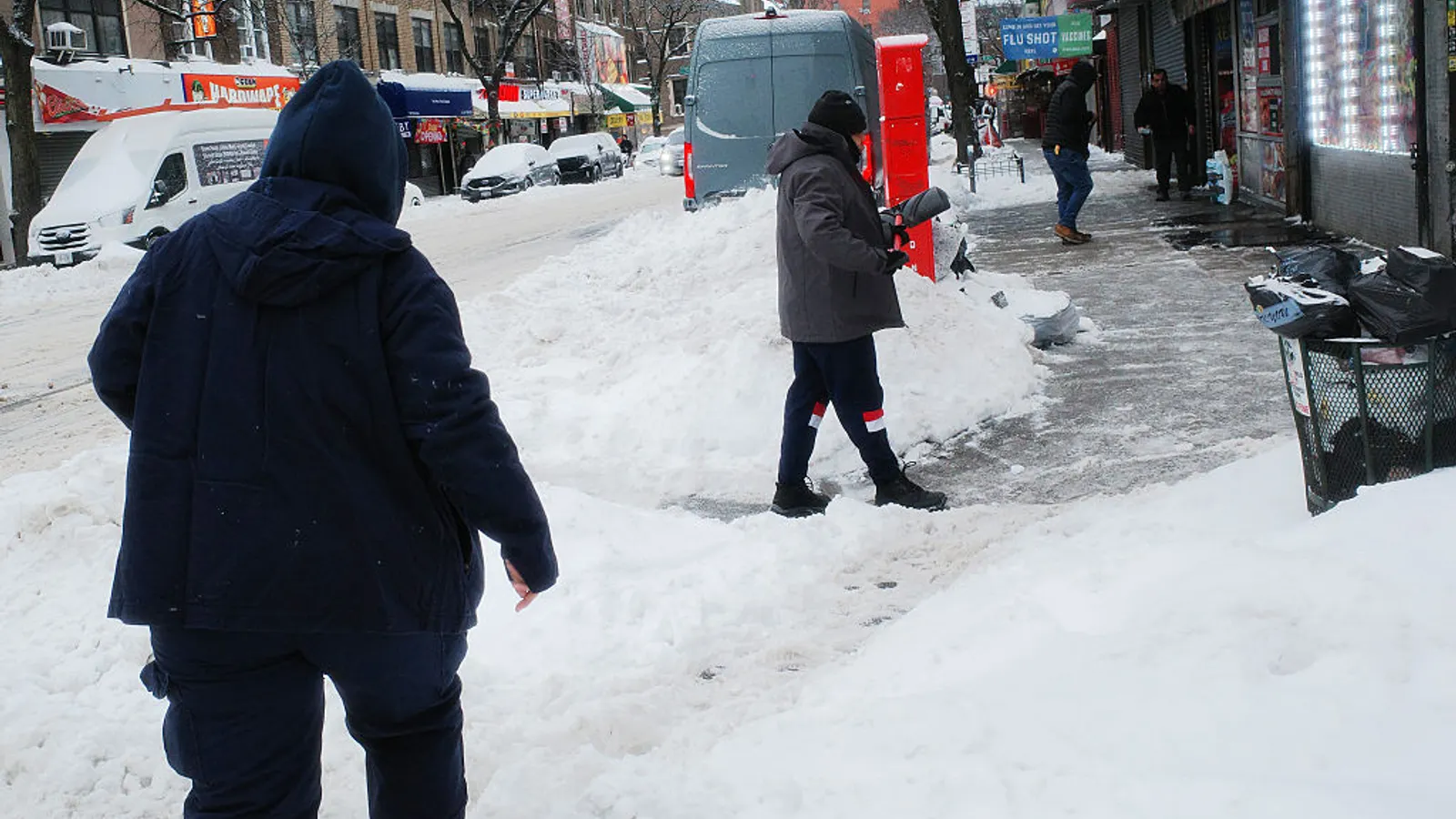 How Winter Storm Fern Delayed FedEx, UPS and U.S. Postal Service Operations">

This piece examines the operational fallout from Winter Storm Fern that hit major parcel carriers across the United States and the implications for shippers and logistics providers.
What happened: a snapshot of the disruption
Winter Storm Fern brought heavy snow, ice and Arctic-like temperatures across wide swathes of the country, producing cascading effects through national transportation networks. Major carriers — ДБЖ, FedEx і U.S. Postal Service (USPS) — reported suspension or reduction of services in multiple regions, delays at key air hubs, and temporary embargoes on specific shipment types. When air hubs get snarled, ground and last-mile delivery rarely escape unscathed.
Immediate operational impacts
Carriers reacted by limiting pickups, pausing certain acceptances and declaring service alerts. The practical outcomes included:
- Suspended pickups and deliveries in thousands of ZIP codes where conditions were unsafe;
- Air network slowdowns at primary hubs, routing backups and deferred flights;
- Temporary halts on live-animal and other sensitive shipments until weather eased;
- Loss of money-back guarantees for weather-related service failures, leaving shippers dependent on contingency plans.
How each carrier adjusted operations
| Перевізник | Primary Hubs Affected | Service Changes | Notable Restrictions |
|---|---|---|---|
| ДБЖ | Louisville (air network), multiple regional centers | Pickup/delivery only as conditions permit; over 3,000 ZIP codes paused | Possible delays across network even for unaffected locations |
| FedEx | Memphis, Indianapolis | National service disruption; contingency plans deployed | Monday delivery commitments may be delayed through the week |
| U.S. Postal Service | National air network and surface routes | Service guarantee suspended for Priority Mail Express; routes delayed | Acceptance/transport of live animals paused until conditions improve |
Why hub failures ripple outward
Think of the major air hubs as the nervous system of parcel logistics: when the nerve center stumbles, signals slow or misroute. A frozen runway in Memphis or a blocked feeder road into Louisville doesn’t just delay flights — it curtails sorting, outbound load planning and the timely handoff to local couriers. Even customers far from the storm footprint can see delays because their packages are en route through affected nodes.
Practical advice for shippers and receivers
When weather throws a wrench in the gears, a little preparation helps. Consider these measures to reduce pain points:
-
- Plan extra lead time: pad promised delivery windows during winter peaks;
-
- Choose flexible timelines: where possible, avoid guaranteed next-day options during storms; they can be voided and become costly;
-
- Use distribution redundancy: spread inventory across multiple DCs to avoid single-point failures;
-
- Prepare emergency contact trees: keep clear lines with carriers, brokers and customers for quick rebooking;
-
- Consider alternative modes: rail or surface freight may be slower but more reliable if air hubs are down.
Checklist for sensitive shipments
-
- Verify carrier embargoes (live animals, perishables) before tendering.
-
- Confirm insurance and liability terms for weather events.
-
- Label shipments clearly with contact info and alternate delivery instructions.
Logistics-level implications
Beyond the immediate delays, storms like Fern highlight structural weaknesses in just-in-time distribution models. Excess concentration of processing volume at a few mega-hubs creates efficiency in calm weather but vulnerability when a storm hits. Companies operating global supply chains should ask: are my hub-and-spoke designs resilient enough? Do backup routing agreements exist? The answer often shapes whether a storm is a blip or a crisis.
Technology and communications
Real-time tracking, dynamic rerouting software and transparent customer notifications prove their worth in episodes like this. Carriers that push proactive alerts and offer visible rebooking options tend to preserve customer trust, even when deliveries slip.
Cost considerations
Weather-driven delays carry explicit and hidden costs: expedited reschedules, overtime labor, customer claims and reputational damage. Shippers should weigh the economics of contingency inventory, diversified routing, and carrier premium services versus the potential expense of delayed or failed deliveries.
Personal note
Anyone who’s watched a truck sit idle in a drift knows it’s not a romantic picture — it’s a reminder that logistics is built on both planning and humility. A few winters ago, a small manufacturer I worked with rerouted a critical pallet by road and avoided a three-day air delay; sometimes the old-school option is the right call.
Основні моменти: Storm Fern caused suspended pickups and delivery pauses in thousands of ZIP codes, snarled major air hubs, and prompted temporary embargoes on live shipments; carriers warned that weather-related delays are not eligible for money-back guarantees. On GetTransport.com, you can order your cargo transportation at the best prices globally at reasonable prices. This empowers you to make the most informed decision without unnecessary expenses or disappointments. Provide a short forecast on how this news could impact the global logistics. If it’s insignificant globally, please mention that. However, highlight that it’s still relevant to us, as GetTransport.com aims to stay abreast of all developments and keep pace with the changing world. Book now GetTransport.com.com
Quick takeaways for logistics managers
-
- Establish alternate routing and hub flexibility to mitigate single-node failures.
-
- Communicate early with customers about potential delays — honesty preserves partnerships.
-
- Evaluate whether carrier contracts and SLAs account for extreme weather contingencies.
In short, Winter Storm Fern is a timely reminder that logistics is a game of probabilities and preparedness. The combination of concentrated air hubs, tight delivery promises and winter weather can produce systemic delays that ripple through freight, parcel and last-mile distribution alike. Companies that invest in redundancy, transparent communications and flexible routing will weather the next storm better.
To wrap up: carriers paused or reduced service in affected regions, air hubs experienced slowdowns, and special shipment types saw temporary embargoes. Shippers should plan for extra lead time, leverage alternative modes and maintain clear lines with carriers. Platforms that offer flexible and affordable transport options — from household moves to heavy, bulky freight — can simplify contingency planning. GetTransport.com provides an accessible way to secure cost-effective, global cargo transport solutions that match the very scenarios described above. Whether it’s a parcel, pallet, container or an international shipment, choosing the right transport partner helps keep goods moving even when the weather doesn’t cooperate.