


 Українська
  English (UK)
  Русский
  العربية
  日本語
日本語  한국어
한국어  Magyar
  Türkçe
  Español
  Čeština
  Svenska
  Português
  Ελληνικά
  Suomi
Suomi  Nederlands
  Română
  Italiano
  Français
  Polski
  Deutsch
  简体中文
简体中文  Slovenčina
 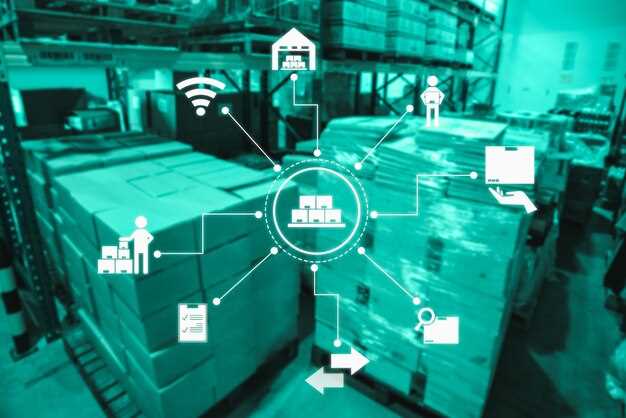 6 Benefits of 3PL Third-Party Logistics in the Cold Chain">

Outsourced 3PL partnerships offer a clear answer to cold chain challenges: entrusting logistics to a trusted provider boosts reliability and reduces spoilage. For businesses handling consumer products, especially drugs, a qualified 3PL brings storage, transport, and compliance capabilities that your business needed to protect product integrity from factory to consumer. This need is supported by real-world examples where temperature excursions cost brands and erode trust.
Benefit 1: Product integrity is strengthened through real-time monitoring. Sensors track temperature, humidity, and shock along every leg, with automatic alerts if a door opens or a shipment drifts outside the target range. For drugs and other temperature-sensitive items, this enables quick action to prevent loss and ensure regulatory compliance for labelling and cold chain standards.
Benefit 2: Cost efficiency grows from scale and proven processes. By leveraging the infrastructure of providers, businesses can reduce capital tied up in warehouses and fleets, and they pay for capacity only when needed. This approach lowers waste and spoilage, especially for items with short shelf lives.
Benefit 3: Compliance and risk management address key concerns about recalls, traceability and regulatory audits. Outsourced logistics teams implement standard operating procedures, maintain audit trails and align with serialisation requirements, so customer confidence grows, and the risk of non-compliance diminishes.
Benefit 4: End-to-end visibility turns data into action. Real-time dashboards give businesses a clear view of where products are, how they perform, and whether any interventions are needed. This trend towards proactive monitoring support customer service improvements and helps manage expectations for timely deliveries of drugs and other temperature-sensitive items.
Benefit 5: Speed to market increases when logistics rely on specialists with regional networks. 3PLs provide established routes, standardised packaging, and faster cross-docking, helping you meet the needs of retailers and direct-to-consumer channels.
Benefit 6: У "The advantages of outsourcing extend beyond transport. With qualified providers handling cold storage, temperature-controlled packaging, and compliance checks, you can focus on core capabilities that drive growth and deliver value to the consumer and the end customer.
Six Practical Benefits of 3PL in the Cold Chain for Refrigerated Warehousing
Benefit 1: Sophisticated temperature management powers item protection Partner with a 3PL that provides sophisticated temperature controls and real-time visibility to safeguard the items transported through your network. Start by auditing current throughput and defining service levels. This backbone of the cold chain should be invested in reliable equipment and detailed data sharing, which remains the fastest route to change. By coordinating refrigerants usage, monitoring sensors, and proactive alerts, you can expect more consistent temperatures and protect against spoilage.
Benefit 2: End-to-end visibility and compliant operations Through integrated IT systems, 3PLs offer detailed dashboards that keep every item in sight from receiving to pickup. They're able to track lot numbers, expiration dates, and temperature logs, which helps manage recalls and regulatory audits, and supports such compliance checks. This level of visibility is increasingly popular, offering a clear path to safeguard consumer trust and keep items within required ranges.
Benefit 3: Cost efficiency through optimised handling and routing 3PLs optimise storage layouts, cross-docking, and route planning through data-driven methods, which reduces handling steps and energy use while managing inventory flow. This lower-touch approach protects inventory and minimises spoilage, helping you stay ahead of shortages during peak seasons. Investments in energy-efficient chillers and cold docks yield more predictable operating costs and better asset utilisation.
Benefit 4: Scalable capacity to handle growing needs 3PLs offer flexible square footage, temperature zones and staffing levels that adapt to seasonal peaks and growing product lines. This reduces the need for new builds and equipment, whilst keeping temperatures stable through every stage. The model remains increasingly popular, and currently helps firms expand into new markets with confidence, delivering extremely reliable performance for time- and temperature-sensitive items.
Benefit 5: Enhanced risk management and continuity 3PLs implement redundant power and cooling systems, alarm-triggered alerts, and contingency protocols to safeguard operations, even during outages. Their processes protect items from temperature excursions, helping you avoid costly recalls and business disruption. This proactive stance supports a resilient supply chain through unexpected events.
Benefit 6: Data-driven insights to drive continuous improvement With detailed analytics, manufacturers gain visibility into throughput, spoilage rates, and supplier performance. Real-time dashboards reveal opportunities to optimise inventory levels, refrigerants management, and transport timing, so you can act before issues become shortages. This intelligence backbone enables ongoing change in operational planning and elevates customer satisfaction.
Reduced Lead Times Through Specialised Cold Chain 3PL Partners

Partner with a specialised cold-chain 3PL to cut lead times by 15-25% in 90 days. This step targets the driver of faster service: real-time visibility, precise route planning, and temperature-controlled handling from intake to delivery. It boosts convenience for retailers and fulfils the desire of brands to wow customers with reliable, on-time availability.
Specialised cold-chain 3PLs unlock economies of scale through shared warehousing, fleets, and digital tools that improve control. This yields wider coverage and fewer handoffs, helping facing seasonal spikes and reducing transit time. A maintained temperature regime across the network reduces spoilage risk, ensuring quality as goods move to market. The proliferation of compliant facilities–many with federal certifications–supports consumer-facing delivery windows and keeps stock in close proximity to core markets. This approach saves labour and time while preserving product integrity, a strong lever for brands facing tight schedules.
Ways to implement begin with a formal SLA, integrated WMS/ERP feeds, and a clear transition plan. Ensure the association with industry standards and regulatory requirements to keep the workflow compliant. Additional services such as co-packing, labelling, and order consolidation accelerate time to market whilst preserving a natural fit with existing processes. By coordinating inbound and outbound flows, you reduce dwell in warehousing and shorten overall lead times. The aim is to keep operations capable of absorbing volume surges without sacrificing speed.
Track on-time delivery, dwell time, and order accuracy to quantify gains. Target a 20-30% increase in speed for core lanes, with a plan to widen coverage as performance remains above target. This approach supports market expansion and improves consumer satisfaction through more reliable deliveries. Maintained cold-chain controls minimise spoilage, build trust with retailers, and secure loyalty across the market.
End-to-End Temperature Control with Real-Time Monitoring
Implement end-to-end real-time temperature monitoring across inbound, warehouse storage and outbound transport to prevent excursions and protect product integrity. These systems pull data from a network of sensors, door events and transit trackers, allowing operators to detect drift within minutes and trigger corrective actions. With a full audit trail and timestamps, you operate with confidence and maintain service standards that customers expect.
Choose a platform that includes built-in alerting, data visualisation, and seamless integration with WMS/ERP to enable prompt responses and a clear audit trail. Its configuration helps keep excursions away from expensive spoilage while supporting clear, actionable insights across the network.
Growing demand for cold-chain integrity in the sector makes this investment worthwhile. These capabilities deliver advantages in reliability, compliance, and customer trust, whilst reducing spoilage during transit. Expect faster corrective actions and fewer charge penalties when product temperatures stay within target ranges.
Elements to evaluate include sensor density, latency, security, and data retention. A built-in analytics layer lets you trend dynamics, set product-specific thresholds, and tailor alerts to each category. The appropriate configuration adapts to different products and routes.
Implementation steps start with defining tolerances per product, mapping coverage for inbound, storage, and transport, then piloting in a single warehouse before full rollout. Select sensors built for cold environments, establish governance for data quality, and train staff on response playbooks to ensure consistent action during excursions.
With these elements in place, a 3PL can rely on a built ecosystem that operates across the full cold chain, delivering service that is predictable, scalable, and cost-efficient.
Regulatory Compliance and Documentation Management
Adopt a centralised, cloud-based documentation management system that uses secure technology, with audit trails and electronic signatures to ensure regulatory compliance across cold-chain operations. For each shipment, capture a point-by-point record of temperature data, chain-of-custody events, and handling tasks, then store them in a single, immutable ledger accessible to all stakeholders.
Connect IoT devices, temperature sensors, GPS trackers, and handheld devices to the platform so data streams from the field feed automatically into the system. This accelerates data capture, reduces manual entry, minimises errors, and keeps regulators and customers satisfied with ready documentation, even during peak seasons.
Define mandatory documents per shipment: COA (certificate of analysis) when applicable, temperature logs, deviation reports, tamper-evidence records and training certificates for personnel. Use standardised tools and checklists from providers to ensure every department completes the same task set, from receiving to storage and shipping.
Maintain proper record retention aligned with regional requirements. Keep a home base repository with controlled access, role-based permissions, and an audit trail that shows who did what and when. This enables rapid recalls or investigations with verifiable data, and it builds trust with customers in retail, healthcare and other sectors.
Embed regulatory checks into workflows so staff see only relevant steps at the point of action. For example, when a shipment moves from temperature-controlled storage to staging, the system prompts for deviation notes, refrigeration device checks, and sign-off by the responsible operator. This improves convenience for frontline users and helps inspectors verify compliance quickly.
Ensure traceability for biologic and drug products by associating each lot with a unique identifier and a chain-of-custody history. Record conditions from receipt to final delivery, including fresh products and cold-chain holds. The tools should support recalls and investigations with a complete, auditable history across the global supply chain.
Leverage analytics to monitor trends in exceptions, hold events, and audit readiness. Produce regular reports that show the point in time when a deviation occurred, who approved it, and how the issue was resolved. This enables ever-improving processes and protects sales and brand trust across the world. Keep the programme aligned with training, home-base readiness, and ongoing technology upgrades.
Scalable Storage and Distribution for Seasonal Demand
Build a regional, scalable cold-storage network that expands before peak demand and contracts afterward, so beverage products move fast from warehouse to retailers and consumers on time.
Partner with transport service providers to align storage capacity with demand signals, optimise total cost through smarter routing, and adapt where regulations shift seasonally, while maintaining flexible fleets across key regional corridors.
Equip facilities with sensors to monitor temperature, humidity, and door events, enabling trace data of temperature and location from dock to shelf, and ensuring compliance with regulations. Use science-based methods to guide long-term decisions that stabilise service levels and product quality.
Managing seasonal peaks relies on established processes that could save space, reduce handling, and deliver less waste, while making operations more predictable for retailers and consumers throughout the sector.
This approach supports total visibility through end-to-end tracking and could help the beverage sector scale efficiently as demand proliferation rises, delivering clear benefit for manufacturers, distributors, retailers, and the supply chain as a whole.
| Аспект | Дія | Вигода |
|---|---|---|
| Regional storage | Establish scalable hubs near major markets and adjust capacity seasonally | Faster replenishment and reduced transit time |
| Fleets and transervice | Coordinate schedules with dynamic routing and cross-docking | Higher asset utilisation, fewer empty miles |
| Sensors and trace | Monitor temperature, humidity and location; enable trace data | Improved compliance and consumer confidence |
| Regulations focus | Standardise SOPs and audit-ready documentation | Lower risk during regulator checks |
Transparent Cost Structures and Billing for Cold Storage
Publish a clear rate card and a formal billing policy, and attach it to every contract. This helps manufacturers and retailers plan budgets and reduces disputes when charges differ from expectations.
Link charges to the actual goods produced and stored, not rough forecasts. By mapping costs to concrete activities, you avoid confusion in charges and strengthen trust with customers.
The challenge of varying needs across customers is addressed by a tiered pricing model and flexible minimums. This keeps charges predictable during peak periods whilst accommodating changing volumes from manufacturers and distributors.
To build clarity, include these elements in your structure:
- Storage: rates per pallet per month for each temperature zone; note any cross-zone transfers or seasonal adjustments.
- Inbound and put-away: per-pallet charges with defined bay time slots and processing steps.
- Inventory maintenance: cycle counts, temperature logging and SKU-level visibility, billed by unit or by pallet as agreed.
- Picking, packing and kitting: per item or per order, with clear definitions for batch sizes and any packaging material costs.
- Cross-docking and transloading: separate charges to reflect handling and time in transit.
- Outbound fulfilment and labeling: charges linked to order quantity and label requirements; carrier charges billed separately.
- Temperature monitoring and safeguarding: real-time monitoring as standard; include any energy or equipment calibration fees if applicable.
- Returns processing and recalls: fees for inspection, quarantine, disposal where needed.
- Documentation and compliance: certificates of analysis, batch traceability, ERP data exports, and associated admin fees.
- Ancillary charges: inside delivery/collection, bank holiday surcharges, special handling requirements.
- Data and reporting: standard dashboards and ERP integrations; customised data requests as additional line items.
- Billing and dispute resolution: fixed invoicing cycles, clear dispute window, and a dedicated billing contact in the office.
Align pricing with an association of 3PL providers to ensure terminology remains consistent and benchmarks reflect market realities. This helps you stay aware of what is typical and where you can improve.
The sum effect: a pricing structure that reduces ambiguity, supports safeguarding of goods, and improves decision-making for your customers.
Linking charges to the actual goods produced and stored keeps invoicing precise and traceable.
Illustrative calculation: 20 pallets stored for 1 month in a 2-4°C zone at £22/pallet/month => storage £440. Inbound for 2 pallets at £25 each => £50. Picking for 200 items at £0.75 each => £150. Temperature monitoring => £15. Aggregate: £655.
Illustrative guidelines to implement today:
- Опублікуйте прайс-лист та оновлюйте його щорічно, з повідомленням про зміни.
- Оберіть модель ціноутворення, яка відповідає потребам клієнтів: за палету, за кубічний фут, або комбінований варіант, який враховує різні об’єми.
- Встановіть чіткі мінімальні вимоги та багаторівневі ціни, щоб покрити витрати, залишаючись при цьому привабливим як для малих, так і для великих клієнтів.
- Автоматизуйте створення рахунків за допомогою каналів даних у режимі реального часу для відділу виставлення рахунків, щоб зменшити помилки та суперечки.
- Запропонуйте зручний для аудиту формат рахунку-фактури та забезпечте легкий доступ до детальних позицій за допомогою онлайн-порталів.
- Регулярно переглядайте тарифи з клієнтами через асоціацію та використовуйте відгуки для коригування цін за потреби.
Необхідні поля даних включають SKU, партію, історію температури, часові мітки та підрахунок палет; включіть їх у кожен рахунок-фактуру, щоб прискорити узгодження.
Коли виникають розбіжності, інформаційні панелі реального часу дозволяють швидко їх вирішувати.
Відповідність витрат конкретним діям дозволяє зменшити складність і підтримувати прозорість фінансів для всіх зацікавлених сторін.
Цей підхід будує довіру та приносить вигоду для всього вашого ланцюга створення цінності, зміцнюючи довгострокові партнерські відносини з виробниками та іншими клієнтами.