


 Українська
  English (UK)
  Русский
  العربية
  日本語
日本語  한국어
한국어  Magyar
  Türkçe
  Español
  Čeština
  Svenska
  Português
  Ελληνικά
  Suomi
Suomi  Nederlands
  Română
  Italiano
  Français
  Polski
  Deutsch
  简体中文
简体中文  Slovenčina
  Штучний інтелект у логістиці – гра, що змінює правила гри, для транспортування">

Відповідайте на це завдання, реалізувавши Штучний інтелект система прогнозування попиту та динамічного маршрутизації, яка пов’язує замовлення, запаси та вантажопідйомність перевізників з даними про дорожній рух та погоду в режимі реального часу. Цей підхід reduces змінність та прискорює deliveries, забезпечуючи вимірювані результати: споживання палива може знизитися на 12-20%, а показники вчасності виконання можуть покращитися на 15-25%, коли маршрути постійно оптимізуються. Сплануйте зосереджений пілотний проект в одному регіоні та масштабуйте його звідти.
Автоматизуйте документи і invoices з використанням оптичного розпізнавання символів та обробки природної мови; це підтримує узгодженість даних і прискорює розрахунки. Використовуйте ШІ для вилучення та узгодження суми на замовленнях та рахунках, виділяйте розбіжності та автоматично затверджуйте рутинні платежі. Завдяки цьому, the work робота планувальників та бухгалтерів стає більш передбачуваною, а точність зростає.
Використовуйте ШІ для оптимізації haulhubs розміщення та проектування мережі. AI-кероване консолідування зменшує кількість поїздок і deliveries до завантажених смуг; це також зменшує порожні милі. The goal is підтримувати рівень обслуговування, знижуючи при цьому витрати. Очікується покращення своєчасних показників на 10-30% та зменшення загальних операційних витрат на 8-15% після повного розгортання.
Ці зміни впливають на jobs помірно шляхом переорієнтації ролей на управління винятками, аналітику та кастомізацію моделі. Команди keep непорушений досвід роботи на передовій та knowledge потоки перетікають між відділами, оскільки моделі вбудовані в щоденне планування. Менеджери можуть apply прийняття рішень на основі даних для маршрутизації, планування потужностей та вибору перевізників, зменшення вузьких місць та покращення морального духу.
Конкретні кроки для початку трансформації: відобразити дані по замовленням, документи, інвойси та телематика; запустити 90-денний пілотний проект в одному регіоні зі спільною схемою даних; потім розширити ШІ поміж хаб-хабами та лініями та інтегрувати з вашим TMS та WMS. Відстежувати вплив за кількістю deliveries на тиждень, точність прогнозу та зменшення затримок. Використовуйте ці результати для optimize планування робочих процесів та навчання команд. apply new knowledge to everyday work.
Прогнозування попиту на основі штучного інтелекту: узгодження запасів, потужностей і рівнів обслуговування
Реалізуйте прогнозування попиту на основі штучного інтелекту, щоб узгодити запаси, потужності та рівні обслуговування. Почніть із 6-тижневого ковзного прогнозу, підключіть ERP, WMS та TMS через API для забезпечення своєчасного потоку даних. Створіть рутину щоденного оновлення моделі та щотижневих оглядів зацікавлених сторін, щоб перетворити активність ринку на конкретні дії в мережі. Використовуйте узгоджені дані з застарілих документів, щоб охопити фактори, що впливають на попит, включаючи акції, регулювання та зовнішні сигнали. Застосуйте цей підхід до кожного запису SKU, зменшуючи заповнення дефіциту та оптимізуючи постачання в усій організації.
Модельний підхід та вхідні дані. Використовуйте гібридну модель ядра: часові ряди для базового попиту та машинне навчання для винятків, налаштовану за товарною групою, регіоном і каналом. Подавайте в модель чисті історичні замовлення, відвантаження, акції та ринкові сигнали; враховуйте сезонність, акції за ціною та події введення/виведення SKU. ШІ виявляє повторювані закономірності та аномалії, забезпечуючи постійне покращення точності прогнозу. Це призводить до більш надійного рівня обслуговування та допомагає узгодити поповнення з пропускною здатністю мережі, забезпечуючи більшу видимість для зацікавлених сторін по всій організації.
Управління та робочі процеси. Створіть міжфункціональну групу зацікавлених сторін та рутину управління даними. Визначте, хто затверджує порогові значення прогнозів, частоту оновлень та шляхи ескалації. Спрощення потоків даних між застарілими системами та новими API зменшує ручну роботу та документує вплив на рівні обслуговування. Згадайте перевірки якості даних в нормативній основі, щоб забезпечити дотримання нормативних актів та утримати організацію в узгодженні з тим, що відбувається на ринку. Ця структура забезпечує чіткіші дії для відділів закупівель, складів та транспорту, дозволяючи своєчасно реагувати на винятки та забезпечувати безперервне вдосконалення для всіх рівнів операцій.
Зосередженість на реалізації та результати. Почніть з контрольованого пілотного проєкту, розширюйтеся на цільові сегменти на основі ризику, та масштабуйте через канали з модульним поданням даних та автоматизованими сигналами поповнення. Підтримуйте постійний зворотний зв'язок між помилками прогнозування та налаштуванням моделі. Наголошуйте на рутинному моніторингу, сильній системі управління даними та масштабованій архітектурі, щоб організація могла перейти від застарілої, що керується вручну рутини до керованої даними, послідовного робочого процесу, який адаптується до ринкової динаміки та нормативних обмежень.
| KPI | Ціль (Q3) | Data Source | Примітки |
|---|---|---|---|
| Точність прогнозу (MAPE) | ≤12% | Історичні накази, підвищення, зовнішні сигнали | Моніторинг за сімейством продуктів та регіоном |
| Коефіцієнт заповнення | ≥98% | WMS поповнення, ERP | Зосередьтесь на найбільш цінних SKU. |
| Рівень дефіциту | ≤2% | Звіти про інвентаризацію | Відкоригувати запас безпеки за волатильністю SKU |
| Оборотність запасів | 6x/рік | Інвентаризація та продажі | Найкраще узгодження з рекламною активністю |
| On-time inbound/outbound deliveries | ≥95% | Carrier data, TMS | Supports timely replenishment |
Real-Time Route Optimisation and Dynamic Carrier Allocation
Implement a modular, API-driven route optimisation engine that continuously ingests data from APIs across carriers, traffic feeds, weather services, and warehouse systems. The engine recalculates routes every 5–15 minutes and reassigns moving loads to the most suitable carrier pool, reducing idle miles and improving on-time performance.
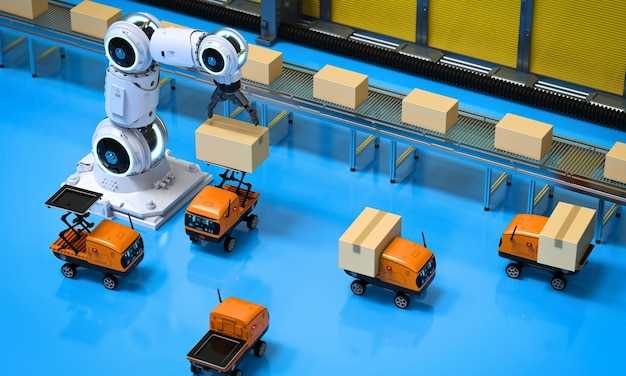
- Architecture and data flow: use a clean data model within the organisation that connects APIs from transport orders, GPS telematics, WMS/ERP, and equipment sensors. The knowledge base supports extracting insights, and data is standardised to minimise errors across those systems and equipment. This set-up enables robots in hubs to coordinate with drivers and robots in sorting areas, accelerating decision-making and reducing friction in the dispatch cycle.
- Routing and allocation logic: implement a carrier-flexible solver that weighs cost, service window, capacity, and willingness to move loads. The module should continuously monitor conditions and, thus, adjust assignments across those carriers in near real time, creating balanced workloads and lowering empty miles.
- Operational execution: dispatchers view a real-time map with carrier status, ETA variance, and detour options. When conditions shift, the system suggests short re-plans and communicates changes to the relevant drivers and hubs within minutes, enabling quick, informed actions.
- Organisation and skills: engineer-led teams should collaborate with logistics operators to test scenarios, extract lessons, and standardise data definitions. Maintain a repository of best practices that the company's network can reuse, and keep the team willing to adopt incremental improvements to workflows and interfaces.
- Performance and governance: track metrics like ETA accuracy, delivery window adherence, carrier utilisation, and API latency. Use this data to refine strategies, reduce errors, and continuously improve the routing engine’s decisions and the cadence of reallocation.
Implementation steps
- Define data contracts for APIs and standardise data models to reduce errors, then align on a single source of truth for shipments and equipment status.
- Build a pilot with a modular compute layer and a limited set of carriers; integrate robotics and equipment where applicable to accelerate handling and visibility.
- Launch monitoring: set up dashboards for engineers and operators, with thresholds for automatic reallocation and alerts on deviations.
- Scale gradually across regions and products, iterating on the model, adding more carriers, and expanding the knowledge base to cover additional lanes and constraints.
Warehouse Automation with AI: Slotting, Picking, and Labour Planning
Deploy AI-driven slotting now to cut picker travel by 25-40%, improve storage utilisation, and boost production throughput. Start with a pilot in a single zone to cover high-turn items, then expand to the full facility; early results show higher order accuracy and faster shipment readiness. This approach provides clear guidance for workers, ensuring they act faster and stay aligned with some demand signals from the market, and it reduces errors for them.
Slotting with AI

AI analyses sales history, seasonality, and physical constraints to assign every SKU a dynamic slot. It weighs turns, cube, weight, and compatibility with conveyors, ensuring that high-velocity items sit near pick zones and packing. In pilots, slotting raised slot utilisation by 12-25% and cut putaway cycles 15-25%, while stockouts dropped 10-20%. It covers replenishment risk, seasonality, and batch constraints; the result is smarter decisions, lower travel, and faster results at shipment time. For bols and other mixed-pallet configurations, automated slotting minimises dead space and reduces put-away errors across large amounts of SKUs. Notifications alert when a slot becomes suboptimal due to demand shift, enabling quick re-slotting during non-peak hours. Explore how slotting logic responds to demand shifts to further optimise space and handling costs.
Picking and Labour Planning
Smart picking paths are generated by AI to minimise steps per order; route optimisation reduces travel by 15–35% depending on layout. The system assigns tasks to workers or robots in real time, balancing workloads under varying conditions. It provides dynamic labour planning with cross-dock integration and real-time notifications about priority shipments, enabling teams to adapt quickly. It tracks production schedules and shipment deadlines, ensuring that high-priority orders ship on time. By basing decisions on current condition and production levels, managers gain a clear view of productivity across shifts, with data-backed targets and alerts. The approach also identifies bottlenecks, enabling proactive adjustments before they become problems, increasing overall throughput.
RPA for Order-to-Cash: Automating Invoices, Payments, and Exceptions
Recommendation: Launch two pilots to automate invoices, payments and exceptions for a defined group of orders and customers, using APIs to connect ERP, billing and treasury platforms. Start with incoming invoices and remittance data, test automated cash application, and measure improvements before scaling. Use smart, programmed rules and powerful tools to reduce manual touchpoints, improve accuracy, and deliver faster responses to customers.
In each pilot, define clear scope: around 2,000 invoices per month per pilot, with a target auto‑match rate of 85–92% and auto‑remittance application of 70–85%. Expect manual interventions to fall by 40–60% and cycle times to drop from days to hours. These metrics will guide adoption decisions and set a predictable path to roll out across regions and product lines.
The automation will operate on the full Order-to-Cash flow: capture incoming invoices, validate data against orders, perform three-way or two-way matching within ERP, execute payments through banks or card gateways, apply remittances, and reconcile cash. When exceptions appear–mismatches, missing PO, duplicate invoices–the system provides structured answers and assigns tasks to humans with context, speeding resolution and continuous improvements. The approach leverages APIs to link data across systems and deliver a unified, auditable trail for orders, sales, and deliveries.
Pilot design and KPIs
Set governance expected outcomes: measure touchless processing rate, cycle time, and accuracy. Track improvements in cash flow predictability, DSO changes, and the cost per processed invoice. Use pilots to validate data quality, test rules for various suppliers, and validate that the tools can operate with incoming data formats from manufacturing and distribution partners. The pilots should demonstrate how adoption reduces delays in delivering invoices to customers and accelerates remittance matching after payment.
Rules, integration, and risk management
Define programming rules that handle common scenarios: PO and receipt alignment, tax and currency validations, and auto-approval thresholds. Integrate with ERP, AP, and bank systems via APIs, and ensure one source of truth for orders and payments within the platform. Establish escalation paths for exceptions, maintain actionable logs, and implement controls to prevent duplicate payments and data leakage. Start with a small, controlled set of vendors and gradually expand to broader supplier networks to validate performance and compliance, then apply the learnings to broader manufacturing and sales processes. The adoption plan should suggest how to scale, what answers to provide to recurring issues, and how to train teams to operate the automated workflows without sacrificing accuracy.
Partner With Delaplex: Selecting AI-Powered RPA Tools and Running a Practical Pilot
Begin with a four-week pilot across three departments (logistics, procurement, and customer service) using a customised, scalable RPA platform that integrates with your network of devices and notification systems. As mentioned by Delaplex, align the pilot with measurable KPIs: processing time, error rate, and staff touches. With Delaplex as your partner, you can decrease manual steps by 40-60% in core logistics workflows and capture data in seconds for leadership review. This concrete start helps you validate potential benefits before broader rollout.
Choose tools that are advanced and accessible, offering a platform with several prebuilt adapters for ERP, WMS, TMS, and CRM. The best-fit options include AI-powered automation modules, natural language processing for ticketing, and image recognition for barcode scanning. Ensure the tool supports customised bots for specific departments, with scalable deployment and human-in-the-loop capabilities; also prioritise user-friendly dashboards for frontline teams.
Design the pilot with a practical scope: pick 3-5 end-to-end processes, define success criteria, and set a go/no-go decision at week 4. Use a phased rollout: start in a non-production environment, then move to production in a controlled set of processes. Track performance with analytical dashboards and push notifications to stakeholder devices. The outcome shows measurable improvements in accuracy and speed, plus a clear map of ROI for broader adoption.
Partner with Delaplex to conduct a vendor comparison: evaluate several tools against data security, AI capability, integration ease, and total cost of ownership. Require a modular platform that allows easy swap of AI models and adapters as market needs shift. Prioritise features that provide automatic error handling, audit trails, and role-based access control across departments.
Execution tips: create a cross-functional team with representation from operations, IT, finance and human resources to drive adoption. Schedule automated notifications for process milestones, monitor device health, and keep human-in-the-loop for exception paths. Document lessons and feed results into a customised roadmap for scaled deployment across the logistics network. Also involve frontline staff in post-pilot reviews to refine bots.
Pilot Design Checklist
Define three objective-driven use cases; ensure data quality; set success metrics; plan a four-week timeline; assign owners; confirm non-production environments; ensure security governance and audit readiness.
Tool Evaluation Criteria
Assess platform compatibility with ERP/TMS/WMS, licensing that scales across several teams, analytical capabilities, and ease of integration with existing network and devices. Verify customised workflows, smart automation features, and robust notifications. Check human-in-the-loop options, API coverage, and vendor support for ongoing updates and market shifts.