


 Українська
  English (UK)
  Русский
  العربية
  日本語
日本語  한국어
한국어  Magyar
  Türkçe
  Español
  Čeština
  Svenska
  Português
  Ελληνικά
  Suomi
Suomi  Nederlands
  Română
  Italiano
  Français
  Polski
  Deutsch
  简体中文
简体中文  Slovenčina
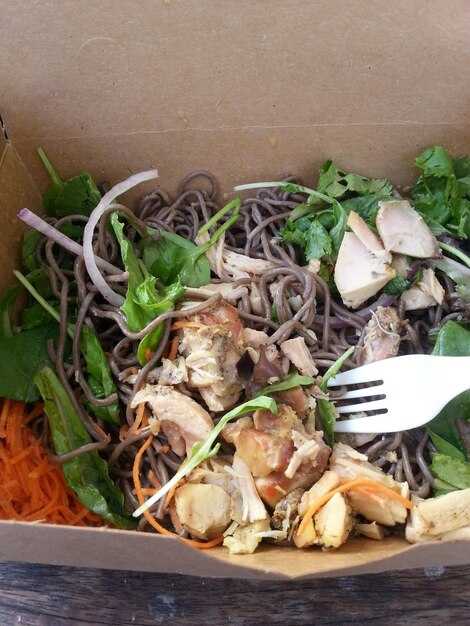
Begin with a precise audit of edible resources across the supply chain and set a measurable goal: reduce discard by 12–20% within twelve months. This approach helps businesses identify hot spots and prioritize actions where impact is largest.
In a study spanning manufacturing, hospitality, and retail, an innovative package of forecasting, inventory controls, and donation workflows generating significant improvement in resource handling, with average reductions in discard of about 15% in the first year. Leaders who completed the study report clearer accountability and faster cycles of improvement.
To implement this system, start with a two-tier approach: (1) a path to smarter orders and portioning; (2) a redistribution channel that channels surplus to shelters, feeding programs for animals, and others in need. This path reduces challenges by linking suppliers, operations, and individual site teams, creating a culture of improvement that grows across the growing мережа.
Address environmental impact by treating losses as a contributor to methane gases from landfills. A regional study notes that every 10% drop in post-production discard correlates with a 2–5% reduction in methane emissions, strengthening the business case for improvement.
The stems of gains lie in disciplined data capture, clear ownership by individual sites, and growing collaboration across departments. The process is not a one-time try; it scales with growing volumes and evolving markets, and it invites others in the network to participate.
Practical reasons to reduce waste and adopt upcycling in operations
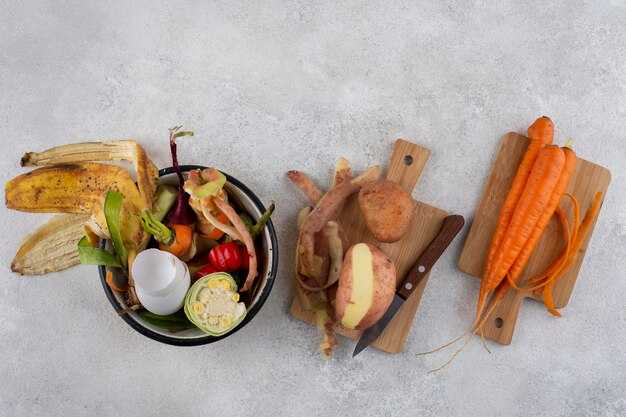
Start with a quarterly materials-use audit across kitchens and production lines to identify surplus ingredients and unused packaging before spoilage; translate surplus into secondary products, meals for staff, or supplier bundles. Set a target to reduce discarded materials by 15-25% within 12 months by rerouting surplus to reprocessing, donation, or upcycled offerings, delivering more value per unit.
Create a practical upcycling playbook built on three elements: capture, conversion, and distribution. Align routes to meet their sustainability goals, establish KPIs, and assign accountability to a cross-functional team.
different streams yield tangible benefits: scraps turned into flavor bases, peels for natural colorants, and stale meals processed into ready-to-heat packs.
asia markets show opportunities but lack focus; addressing an issue requires forming regional consortia, shared cold storage, and supplier coordination. Those steps enable approaching a green path and unlocking more value.
canadian private sector adopters include some of the largest brands, following a clear path: lower disposal costs, unlock revenue from upcycled streams, and boost green branding. A 12-month case shows measurable gains in those metrics.
Relatively small capital outlays can yield relatively quick payback through lower disposal costs, reduced spoilage, and revenue from upcycled items. This isnt about fringe pilots; it can make a scalable impact making operations greener and contributing to planet sustainability across countries.
Audit waste streams to identify high-volume waste and immediate cost-saving opportunities
Begin by mapping discarded-material streams throughout the operation, across procurement, storage, prep, production, and service, with disposal costs. Use a two-week audit by line to quantify top contributors: overproduction on the line, spoilage in storage, prep scraps, and rinds produced during trimming. Tie figures to meals and foods produced across menus to reveal where very large gains can be captured immediately.
Label each stream with a simple taxonomy: production, prep, service, diversion, and residuals, measured in kilos and dollars, so you can compare across private canadas manufacturers and other suppliers, aimed at rapid wins.
From findings, implement targeted actions on the top three streams: overproduction, spoilage, and scraps. Examples: adjust portioning on the line, with trims repurposed into stocks or sauces; rework bruised items into usable ingredients; reroute rinds into extract or high-value broths.
Run a six-week pilot with cross-functional teams to tackle the issue across meals and foods; monitor disposal charges weekly; capture savings and share relationships with suppliers to keep experimenting.
Scale the program: if the pilot yields a 10–20% reduction in disposal costs, extend to other facilities across canadas; build a private data-collection framework; set a target of reducing discarded material by 15% to 25% by the next season, spanning private and public channels.
Long-term impact includes lower disposal charges, reduced packaging needs, and stronger relationships with manufacturers; redirect byproducts such as rinds to animal feed where allowed, or to flavor extracts, supporting a very dynamic, planet-friendly approach that canadas partners can adopt for meals with a variety of foods and experiments.
Map feasible upcycling pathways for common byproducts (fruit peels, pulp, spent grains, dairy scraps)
Recommendation: form a 12-month consortium pilot with select stores and food-tech partners to map four value streams from common residuals – orange peels and shells, pulp, spent grains, and dairy scraps – using a centralized data hub, clear KPIs, and a scalable plan designed for a long-term impact and future growth while reducing disposal.
Pathway 1 – citrus peels and shells: leverage hydro-distillation or cold-press to recover essential oils (limonene) and other aroma compounds, then recover pectin and dry the remainder into fiber-rich powders. Use these inputs to boost bakery, beverage, and seasoning products through store-brand lines and co-branded formats. Expected yields vary by process, with essential oils comprising a small fraction of input mass (roughly 0.5–2% by weight) and pectin recovery typically in the tens of percent of dry shell, enabling a clear route to high-value ingredients and reduced byproduct streams. This pathway offers major advantages in visibility and traceability across the shelf, supporting tackling consumer twists toward clean labels and sustainable sourcing.
Pathway 2 – pulp: concentrate into puree for beverages and bakery fillings, or dry into pomace powder to enrich fiber in snacks and plant-based products. Use as a stabilizer or texture enhancer in dairy-free alternatives, while exploring fermentation routes to aroma compounds or probiotic formulations. Pulp-to-powder conversions can yield 15–25% of the input mass as added fiber ingredient, aligning with preferences for whole-food ingredients and enabling scalable, low-cost production at the operational level.
Pathway 3 – spent grains: dry, mill, and blend into high-fiber flour or snack bases; extract enzymes (e.g., beta-glucans) and proteins for specialty ingredients; route to bakery, breakfast bars, and ready-to-eat formats. Throughput in pilot lines can range around tens of kilograms per hour, with potential to generate value through fermentation co-products or enzyme supplies. Operational improvements reduce inputs to disposal and support a circular approach, delivering advantages in cost, taste, and texture that resonate with large-scale retailers and consumer brands.
Pathway 4 – dairy scraps: whey and other dairy solids enable production of whey protein concentrates, lactose-derived fermentation streams for lactic acid or bio-based flavors, and cultured dairy-inspired ingredients. This stream supports product claims around natural protein sources and clean-label lactose utilization, while enabling customers to substitute conventional dairy ingredients with sustainable alternatives. Dairy-based streams contribute to a fact-backed narrative about margin recovery and process efficiency, helping stores and manufacturers meet sustainability targets and build stronger consumer trust.
Cross-stream actions: implement a standardized intake and screening protocol, establish joint product-development roadmaps, and publish a shared repository of tested formulations. Build co-branding opportunities with a fork in product lines to address diverse consumer preferences, while maintaining strict quality and regulatory compliance. Establishing the visibility of all streams within a single consortium framework accelerates problem-solving, aligns future changes with stakeholder needs, and showcases the largest impact potential across categories.
Implementation steps: 1) set up sorting and pre-processing stations at partner locations; 2) install modular extraction and drying modules with controllable throughput; 3) run parallel pilot tests for each stream to identify fast-track products; 4) validate packaging, shelf life, and regulatory compliance; 5) scale through joint procurement and co-manufacturing agreements. Fact-based benchmarking and ongoing learning loops will support continuous improvements and demonstrate the value of this approach to stores, suppliers, and investors.
Navigate regulatory, labeling, and safety considerations for upcycled ingredients or products
Recommendation: establish a regulatory readiness plan and labeling protocol today, anchored by a robust safety dossier and supplier verification. This approach reduces risk and builds trust with regulators and consumers.
- Regulatory classification and approvals
- Define whether the item is an ingredient for condiments, a finished product, or an additive, based on jurisdiction. The classification determines which agencies watch the process and which testing standards apply.
- Prepare a safety dossier with microbial testing, chemical analyses, processing parameters, and shelf-life; lack of data is a risk, so partner with accredited labs today. Regulators thell require traceability, origin documentation, and a clear statement of intended use; ensure that surpluses and byproducts are described without ambiguity.
- Illustrative case: orange peels repurposed into a spice blend; shells repurposed as calcium-rich stabilizers; this ideal scenario shows how labeling and allergen declarations must be managed in the country of sale.
- Labeling and claims
- Labels must disclose origin, processing steps, and potential allergens; avoid unverified environmental or health claims; include clear data about the supply chain to reduce risk of misleading statements.
- Use precise language: “upcycled ingredient from surpluses” or “recycled byproduct” with a concise response to common questions. The label should watch for country-specific units and terms; dual dating or batch codes can help; thats a practical way to prevent misinterpretation. Claims must match the evidence and testing results to avoid consumer confusion.
- Pricing strategy must reflect value, and claims should match the evidence; pricing considerations affect consumer trust, and misaligned messaging could provoke unpalatable reactions that harm adoption.
- Safety, quality, and supply chain controls
- Implement HACCP-like plans with critical control points for processing streams; include checks on meat byproducts and potential contaminants; you cant rely on guesswork to prevent cross-contact; establish clean separation between streams.
- Supplier qualification: audits, certificates, corrective actions; if shells or other byproducts are used, confirm sanitization, packaging integrity, and storage conditions; the ideal control includes documentation, proper traceability, and a clear response plan for issues. Manufacturers have to ensure that each individual ingredient is validated.
- Testing cadence: baseline contaminant screens, allergen potential, microbial load, and residue analyses; ensure testing cadence aligns with risk rating; observed results should be logged for regulators and internal response, and used to adjust processing parameters.
- Operational considerations and risk management
- Inventory reality: surpluses can fluctuate; build a forecasting model linking pricing, demand, and availability; define a strategy to throw non-compliant lots without compromising safety assurances.
- Product design: keep formats simple (e.g., condiments or sauces) to reduce risk and simplify labeling; ensure an innovative mix of ingredients remains compliant with labeling rules in each country; watch for potential interactions between orange zest and shell-derived calcium.
- Communication: provide consumer support channels and transparent environmental narrative; this helps manage rumors and improves acceptance; that would require clear, consistent messaging across channels.
Design a phased pilot program: collection, sorting, processing, and product development
Recommendation: Launch a four-month pilot in a single urban hub next quarter, with four phases and explicit KPIs: capture rate, contamination under 5%, 20% conversion to upcycled products, and payback within 18 months from product sales and disposal savings.
-
Phase 1 – Collection: Map source points (kitchens, prep areas, service lines). Install orange bins to separate streams at generation. Schedule daily pickups and maintain 95% route adherence. Collect data on mass, sources, tosses, and unusable fractions. Target contaminants under 5% of captured material and reduce disposal streams over time. Track disposal costs and the value of downstream outputs to demonstrate opportunities for others in the supply chain. Partnerships with service providers in Asia can lower logistics prices and improve reliability. Documentation across sources enables everything to be tracked for improvement.
-
Phase 2 – Sorting: In a controlled area, sort by different category: fibers, shells, peels, and digestibles; use color-coded pallets and bins; aim for contamination below 4–6%. Keep a rejection log and separate unusable fractions for recycling, compost, or digestion. Record source data to support formulation trials and pricing forecasts. A robust management plan reduces cross-contamination and supports climate-friendly objectives throughout the cycle, while enabling others in the network to benefit.
-
Phase 3 – Processing: Convert sorted streams into usable feedstock for formulation, fermentation, or composting; run a small pilot line with minimal energy and water input. Measure conversion yields by stream, energy intensity, and disposal avoidance. Note the materials used in each step to inform reformulation and future scale. Use the available resources to experiment with mild processing steps that keep costs in check; document unusable fractions for disposal. Establish a next-step schedule with energy recovery and residuals management to minimize environmental impact; track the economics by prices and margins.
-
Phase 4 – Product development: Create 2–4 product lines (flavor-enhancers, texture builders, natural extracts, horticultural additives) using the processing outputs. Run formulation tests for stability and shelf life; set initial price points and margins while mapping next-year growth. Pilot a go-to-market for Asia-based channels and other markets; use the data to refine sourcing, packaging, and service models. Implement a management dashboard to monitor environmental impact, product performance, and opportunities for improvement. Recognize what works and what needs adjustment by collecting feedback from pilots.
Metrics to monitor across all phases include reduction in disposal volumes, improved resource recovery, and cost savings that can be reinvested in the program. Ensure everything is documented, from source to final product, with a clear line of sight to climate benefits. Over the coming years, expand to additional sites, adjust formulations, and scale opportunities while maintaining robust governance and a strong service network.
Set measurable KPIs: waste reduction rate, cost savings, and environmental impact indicators
Begin with a perfect baseline and a 12-month goal: reduce discards by 15% across stores and farm partners by targeting those loss points and creating repeatable actions.
Create a complete baseline from the last 12 weeks of POS, inventory, spoilage, and yields data; those figures anchor the plan and allow easy monitoring.
Critical data stems from multiple parts of the operation: inventory records, point-of-sale data, receiving logs, and shelf audits. Recognize patterns around perishable categories and the sources of tosses.
Those patterns reveal where the greatest advantages come from, and where to begin with low-cost interventions such as condiments handling, portion control, and improved rotation; much of the benefit comes from aligning stores and manufacturers around practical changes.
Ways to engage teams across social channels and store-floor relationships help meet the goal. Build cross-functional ownership, with store managers, farm suppliers, merchandisers, and kitchen crews collaborating to reduce tosses and improve product quality at every touchpoint.
| KPI | Definition | Ціль | Data source | Representative actions |
|---|---|---|---|---|
| Discards reduction rate | Change in discarded volume relative to baseline | ≥15% within 12 months | POS systems, inventory, spoilage logs | Improve demand planning; adjust orders; refine condiments shelf space; train staff |
| Cost savings | Net procurement and operating cost reductions due to lower discard levels | 5–12% of annual spend | ERP, supplier invoices, waste logs | Negotiate better yields with manufacturers; optimize packaging; consolidate supplier base |
| Environmental impact indicators | Metrics like CO2e reduced, water saved, and landfill exposure avoided | CO2e down 20–40 kg per 1000 units; water down 100–300 L per 1000 units | Life cycle analysis; water and emissions tracking | Switch to smaller portions; improve storage conditions; re-use trim for condiments; partner with circular programs |
Those measurements create a clear framework for those involved, showing how much benefit stems from each action and how to meet the environmental and cost-related goals.
Plan scale-up: supplier alignment, packaging, and downstream commercialization of upcycled outputs
Begin by locking supplier alignment through a joint plan with manufacturers and key suppliers, tying volumes to forecasted demand and quality cues across a retail channel for the next year-plus horizon. Establish a single master schedule, shared systems, and quarterly reviews to track supply reliability, lead times, and improvement opportunities. Use mutually-beneficial contracts that reward on-time delivery, consistent ingredients quality, and reduced unappealing residues at source. Have dashboards and alerting to surface risks in real time.
Focus on packaging to protect upcycled outputs during storage and transport. Target a 30-50% reduction in virgin plastic content within two years by switching to recycled-content materials and lightweight formats. Standardize packaging across lines to simplify handling at the fork in the chain and reduce space usage in transit. Incorporate clear labeling of traceability data and retailer-relevant sustainability claims that align with category expectations.
Map downstream commercialization to three to five outlets: branded ingredients for bakery and snack applications, catering-use prep lines, and animal-feed streams where compliant. Build a pipeline of opportunities with retailers and manufacturers to convert upcycled outputs into differentiated products. Find new outlets by mapping category gaps in retail and channel partners. Establish joint business cases with distributors to ensure margin sharing and mutually-beneficial growth. Focus on end-to-end value capture from processing to point of sale, with improvement loops embedded in every step.
Key elements for execution include dynamic forecasting, data systems for traceability, space optimization in processing hubs, and a packaging-and-labeling plan aligned with retailer requirements. Tackling variability across input streams requires joint demand signals and flexible scheduling to keep lines fed. Address tosses of residuals by redirecting them to compliant channels, including animal-focused uses where permitted, to generate additional opportunities while maintaining safety and regulatory alignment.
To drive scale, begin with a pilot at one site within the year, then expand to additional sites as supplier alignment stabilizes. Develop a dynamic road map with milestones at 12, 24, and 36 months. Track major metrics: yield improvement, packaging cost per unit, incremental revenue from new streams, and year-over-year volume growth. Set targets to improve space efficiency by a defined percentage and to shorten cycle times between processing and retail availability. Ensure continued collaboration with manufacturers to refine ingredients streams and expand into new future product plans that favor mutually-beneficial growth for all partners.