下载应用


交通与物流撰稿人
亚历山大·佩特鲁宁报道欧洲、美国和独联体国家的货运和物流市场——内容涵盖葡萄牙、西班牙和法国的国家指南,以及跨境卡车运输和承运人执照。他的文章侧重于为托运人和承运人提供实际指导:路线、定价因素和法规。

Barcelona – Zaragoza: Connecting Catalonia and Aragon
The Barcelona – Zaragoza freight corridor is a crucial logistics connection between Catalonia’s industrial and commercial hub and Aragon’s growing manufacturing sector. This route facilitates domestic trade and serves as a key link for exports to Europe.

Alicante – Madrid: Agricultural and Furniture Supply Chain
Alicante – Madrid is a strategic route for transporting agricultural products, furniture, and manufactured goods from southeastern Spain to the central market. This corridor is essential for Spain’s domestic food supply and export logistics.

A Coruña – Madrid: Northwestern Logistics Network
The A Coruña – Madrid route connects Spain’s northwest region with the capital, supporting seafood exports, industrial production, and retail supply chains.

Seville – Valencia: Southern-Eastern Trade Artery
Seville – Valencia is a major logistics route connecting Andalusia’s agricultural and industrial output with Valencia’s maritime trade and manufacturing sectors.

Freight Transport in Spain: Key Logistics Hubs and Trade Corridors
Spain has a highly developed freight transport network, making it a strategic trade gateway between Europe, Latin America, and North Africa. The country’s modern ports, highways, and rail infrastructure support domestic and international supply chains. This article explores Spain’s key logistics hubs, major freight corridors, and future trends in transportation.

Madrid: Spain’s Central Freight Hub
Madrid serves as the heart of Spain’s freight and logistics network. It connects key regions across the country and plays a vital role in trade. Due to its central location , modern infrastructure , and strong international connections , the capital ensures the smooth movement of goods within Spain and beyond. The city’s logistics sector has grown significantly over the years. Madrid now functions as a major distribution center for imports and exports, providing direct access to Europe, Latin America, and North Africa . Additionally, ongoing investments in sustainable transport solutions aim to reduce environmental impact and improve efficiency. Key Freight Infrastructure in Madrid To
Barcelona: The Driving Force of Mediterranean Logistics
Barcelona confidently sits at the forefront of Spain’s logistics network, playing a pivotal role in international trade. Thanks to its prime coastal location and modern communication links, the city is a vital bridge connecting Europe to the Middle East and North Africa. Key Logistics Infrastructure To maintain rapid growth, Barcelona continually upgrades its transport network. The city combines sea, air, and road connectivity to ensure swift, efficient cargo movement: Port of Barcelona As the largest Mediterranean port, it handles millions of tons of cargo annually. Its benefits include: Direct access to major global trade routes. State-of-the-art terminals for handling everything from
Valencia: The Key to Mediterranean Trade Potential
Valencia has one of Spain’s busiest ports, and it is a key logistics hub in the Mediterranean. In addition, its strategic location and modern setup make it a gateway for goods coming in and going out.
Seville: Southern Hub of Logistic Dynamism
Seville, full of history and modern energy, is quickly becoming a leading logistics center in southern Spain. Because of its strategic location and updated infrastructure, the city connects local markets with international trade routes.
Bilbao: Northern Spain’s Logistics Gateway
Bilbao is a city where modernity and tradition meet. In addition, it has become a key freight and logistics hub in northern Spain, thanks to its important port and efficient transport links.
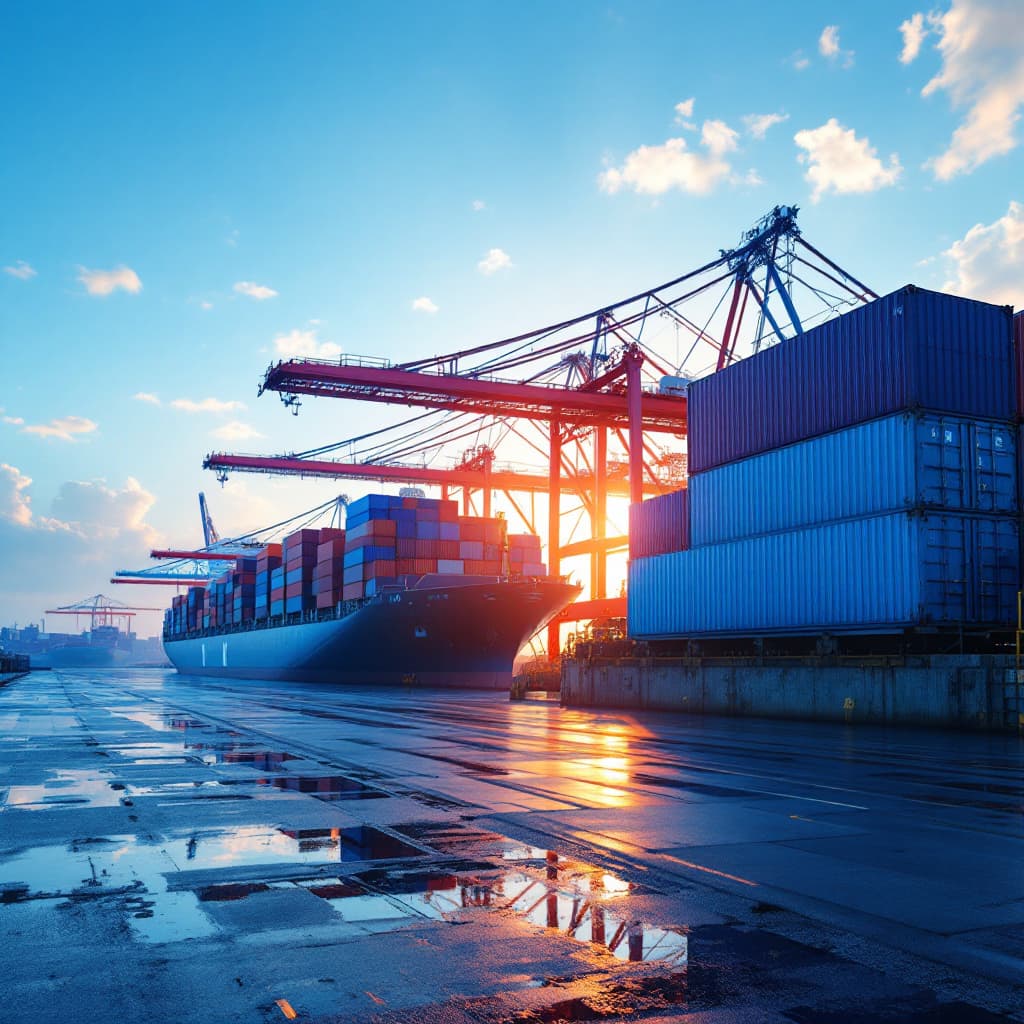
Managing Cultural Differences in International Logistics
In the fast-paced world of international logistics, cultural differences can significantly impact supply chain operations. Effective cross-border logistics management requires an understanding of diverse customs, business practices, and communication styles. Failure to address cultural disparities can lead to miscommunication, delays, and strained business relationships. This article explores key cultural challenges in international logistics and provides strategies for effective management.

How to Manage International Supply Chains: Expert Tips and Strategies
In today's interconnected world, managing international supply chains has become a crucial task for businesses operating on a global scale. From securing raw materials to ensuring timely deliveries, logistics managers face increasing complexities. With geopolitical tensions, fluctuating tariffs, and evolving regulations, supply chain disruptions are more common than ever. How can businesses navigate these challenges effectively? Here are key strategies to optimize international supply chain management.