下载应用


作者
数字游民的兴起正在改变旅游业,为那些适应这一趋势的人提供了绝佳的机会。数字游民寻求工作友好且文化丰富的目的地,满足这些需求将使您的企业成为值得信赖的选择。现在是时候调整您的服务以适应这一日益增长的趋势,并进入渴望探索世界的远程工作者不断扩大的市场。

E-Commerce Growth and 3PL Warehousing Automation - Strategies for Efficient Fulfillment
Start with a 12-week pilot in one warehouse to deploy robotics-enabled picking and automated sortation, integrated with your WMS, to deliver faster processing and higher picking accuracy. The pilot should provide real-time visibility into order status and inventory, providing a baseline for turnaround times and delivery commitments. To scale, leverage the pilot results across a small network of warehouses. Use the data to map velocity bands and implement dynamic slotting, which cuts travel time for pickers and reduces schedule variance. For omnichannel models, align fulfillment streams so ecommerce orders and store transfers share picking waves, improving delivery commitments. In practice,

World’s Premier Sport Business Summit - Key Trends, Leadership Insights, and Global Networking for the Sports Industry
Recommendation: Identify three partnerships, compare two sponsorship models, and secure a collaboration by Day 2. Intended to deliver tangible outcomes, weve found that such a focused objective boosts engagement with senior decision-makers across clubs, leagues, and agencies. Prepare a 90-second positioning memo for each meeting and appoint a single owner to drive post-event follow-ups within 24 hours. In 2025, the summit will host 1,300+ attendees from 40 countries, including 180 C-suite leaders and 250 club operators. 80 organisations will present, with 28 exhibitors and 6 hours of curated networking powered by espns and organisers. The program comprises five tracks–leadership,
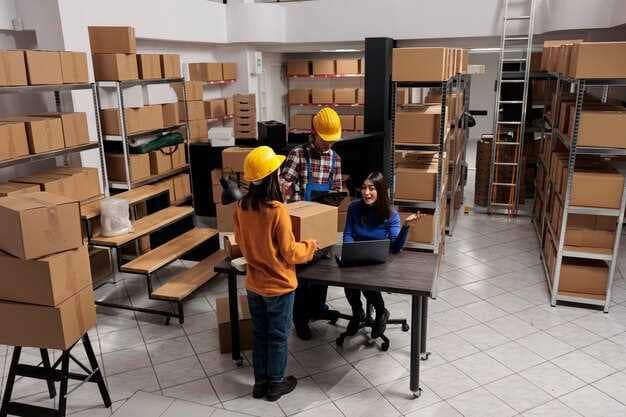
店内履约与三月疯狂赛事有三个共同之处——零售运营洞察
店内履约与疯狂三月之间有三个明显的相似之处,揭示了零售运营中库存、人员配备和客户体验优化的实用技巧。
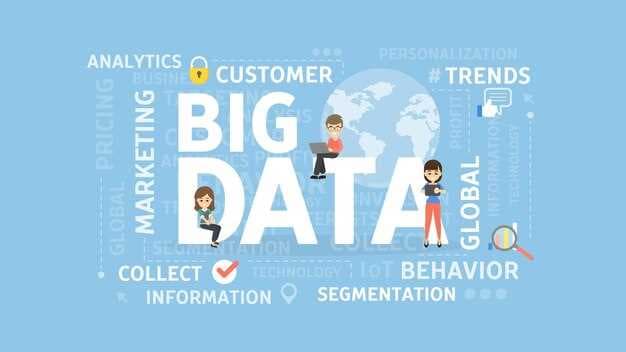
BI and Clean Data - The Make-or-Break for Digital Transformation Strategy
Establish data governance and a clean data baseline now to secure goals and accelerate transformation. Create a cmpc-led council to define ownership, quality thresholds, and the first 10 areas that shape decisions – this must happen today. In the post-pandemic landscape, map data capabilities to business goals. Prioritize clean data to enable more seamless analytics, reduce rework, and empower teams across areas such as finance, operations, and sales. Key factors include lineage, governance, and access controls that you can verify in minutes, not weeks. Unchecked data creates threats and makes initiatives expensive. Implement automated data-quality checks, standardize master data, and

The Hidden Complexity of Carbon Accounting - A Practical Guide
Publish a baseline dataset and set clear boundaries for scope, then define the goal of transparent quantification across the value chain. They should require providers to contribute data from distributed sources, and maintain an image of emissions by documenting assumptions and methodologies. To manage complexity, highlight how data provenance, variations in methods across ipccs and pcafs, and published notes influence decisions. Maintain a versioned dataset and attach methodological notes so agencies and providers stay aligned. Adopt a modular accounting model with dedicated boundaries for each stage of the supply chain, and ensure the dataset is versioned and traceable. Any input update

Self-Driving Trucks Threaten America's Top Blue-Collar Job - Truck Drivers in Focus
Plan a phased transition now: enroll in retraining that blends driving skills with safety tech, data literacy, and freight operations so youre ready for both current and emerging roles. Youre not waiting for a single breakthrough; youre building a skill set that aligns with how carriers use software, maps, and real-time routing to keep customers satisfied while managing costs. Current projections show autonomous trucks improving viability on long hauls, but the real impact depends on the viability of remote monitoring, rescue operations, and on-ramp services. There are still obstacles on roadways: weather, debris, and mixed traffic, which means conventional trucking remains essential in

The Future of Rail Freight in Europe - Trends, Regulation, and Sustainable Growth
Adopt a network-wide electrified freight corridor strategy now to raise reliability, shorten delivery times, and cut what rail emits. Align TEN-T investments with national budgets and private capital to modernize crossing points and intermodal hubs. Target linked corridor segments that connect major ports with inland production zones, enabling seamless movement of goods. Regulation pushes decarbonization and modal shift, but uncertainties remain in cross-border procedures and capacity planning. A clear direction is to simplify timetable coordination, standardize interchange rules, and digitize cargo documents to reduce dwell times at borders. In the EU, roughly estimated figures show that

Collaborative Supply Chains - Risk Management and Resilience
Implement a cross-functional risk dashboard within 30 days to significantly reduce downtime by 20%. This early action consolidates signals from suppliers, internal teams, and logistics partners, enabling timelines and rapid decisions that address a recurring issue before it escalates. Build a foundation on earlier alerts and understanding of exposure across tiers, so teams can act before disruptions spread. To strengthen resilience, ongoing improvement efforts with clear governance and evolving risk profiles. This requires expanding capabilities beyond procurement to include IT, logistics, and production. By sharing resources across internal teams and suppliers, firms can cut cycle times

The Rise of Robots in Warehousing - How Warehouse Automation is Transforming Modern Logistics
Adopt modular automation now to lift efficiency and reduce strain. In warehouses, robots and guided algorithms handle repetitive tasks, allowing a worker to focus on quality checks and problem solving. This approach blends reliable technology with practical maintenance planning to keep equipment performing across shifts and to improve working conditions. Recent data from multiple facilities show throughput gains of 20-40% after deploying autonomous mobile robots and automated storage systems, with error rates down and times to deliver products faster. Examples include AMRs for picking and routing, automated storage and retrieval systems, and smart conveyors that handle a variety of products

Don't Miss Tomorrow's Retail Industry News - Trends, Insights and Updates
Start with the morning briefing and act within hours. For retailers, the channel is the artery of growth, so map a tight plan that links your online store, marketplaces and mobile apps with in-store experiences around a destination like regional hubs and pop-up locations. In the coming week, international orders are expected to represent about 28% of online revenue in fashion and 18% in electronics, with cross-border volumes rising 22% year over year. A cost-effective routing pilot reduced last-mile costs by 8–12% in a 250-store rollout, and average delivery speed improved by 1.5 days in domestic lanes and 2.0 days for international shipments. Take these steps today: post a cross-functional

Tesco - The Pillars of Success and Market Leadership in Global Retail
Recommendation: Build a strong partnership with suppliers and customers by offering discounts that are sustainable, while keeping ethical standards at the core to satisfy investor expectations and drive loyalty. Tesco anchors its success on a clear, customer-focused framework driven by technology and disciplined ability to execute strategic plans. This approach also targets tackling waste through smarter routing and packaging. The retailer uses data analytics to forecast demand, deploy automated replenishment, and reduce stockouts across more than 6,000 stores, ensuring rapid delivery to communities and to operate effectively. Its supply-chain discipline rests on ethical sourcing and a

Multimodal AI Large Models for a Green Energy Supply Chain
Recommendation: Implement a multimodal AI model now to align energy procurement with supplier capabilities, material flows, and environmental goals. With real-time sensor streams, weather forecasts, and market signals, the system enables your corporate teams to optimize consumption and maintenance planning across suppliers and facilities. The model fuses four data domains: plant-floor telemetry, supplier catalogs and pricing, grid emissions, and logistics routing. It learns from feedback loops to forecast consumption with a speed that supports near real-time re-planning, reshaping the balance of power between buyers and suppliers. In a pilot covering 6 facilities and 15 key suppliers, we
