



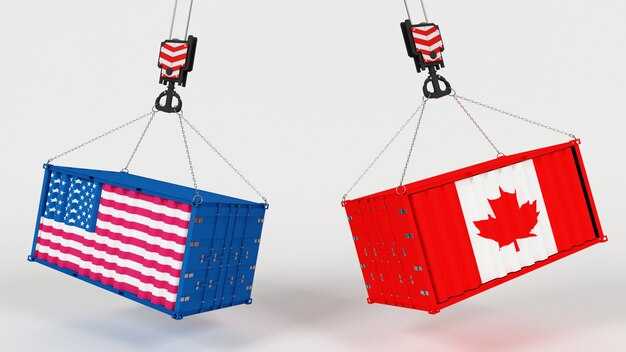
Build a diversified supplier map and a six- to eight-week buffer now, then deploy predictive planning technologies to guide routing and sourcing. This approach positions teams to absorb tariff volatility before it ripples through costs and delivery times, rather than reacting after the fact.
Tariffs from policymakers affect cost structures and procurement calendars in ways that ripple across production lines. The four outcomes to watch are absorb, reroute imports, nearshore, and stockpile adjustments. Each path has distinct cash, lead-time, and supplier-relations implications; well, leaders should map triggers and measure outcomes in real time.
With predictive technologies, teams understand the tariff signal in context: a single policy change triggers a multi-variant response across suppliers, routes, and modes. In an instance, a manufacturer might pivot from distant suppliers to closer options, reducing exposure and lead times. They can simulate outcomes using polymatiq analytics to compare costs, risk, and service levels.
Planning should emphasize cross-border considerations, including canada and supplier diversification, and inventory policies. The источник данных for risk models must be explicit: a centralized data feed with real-time freight, duties, and capacity. This aligns with wants for faster tariff-triggered actions, so firms align planning with sales projections, not just factory constraints, and can absorb shocks without halting production.
Standby tactics translate strategy into action: maintain alternate supplier queues, prearrange nearshoring options, and reserve safety stock for critical SKUs. Implement clear triggers for switching sourcing, and run monthly drills to test contingency plans against tariff scenarios. This practice improves responsiveness and helps management act decisively, rather than waiting for disruption to unfold.
Track four KPIs: landed cost, cycle time, supplier risk, and planning accuracy. Build a transparent process with executive dashboards and regular reviews to refine tariff-driven responses. They want clarity on who owns each action and when to pivot, which reduces confusion and speeds decision-making.
Practical actions for supply chain leaders facing tariff-driven disruption
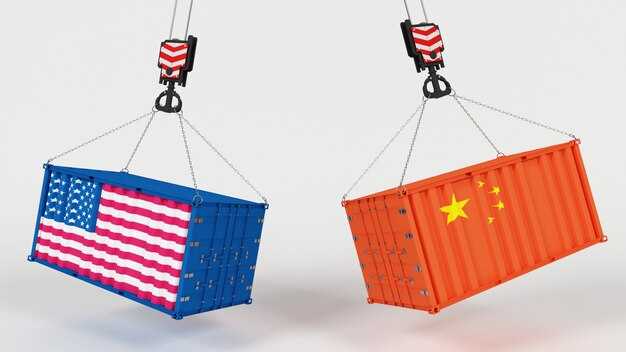
Decide to map tariff exposure across suppliers and countries within 48 hours and launch a three-week wargaming sprint to test response options using input from finance, procurement, and operations.
Build a decision framework that compares direct sourcing, nearshoring in Mexico or other regional hubs, and continued global sourcing, with a clear picture of landed cost changes under rising tariff scenarios.
Establish a single source of truth for data: tariffs by country and HS codes, supplier rankings, freight lanes, and currency impacts; run three concurrent simulations and reflect results in a dashboard that executives can read. Use voyix to centralize input and track changes.
Set a target to absorb a portion of disruptions with a mix of tariff classification optimization, supplier renegotiations, and volume consolidation, aiming to absorb 60-80% of tariff shocks within 6-12 months. This approach helps companies in three rising industries stay global while adapting to changing conditions.
Prioritize Mexico as a nearshoring testbed; if costs rise in a country, pivot capacity to other regional hubs in North or Latin America. Align schedules with manufacturing cycles to minimize risk and preserve service levels.
Procurement leaders plead for priority capacity during tariff peaks and negotiate flexible contracts that include explicit price-adjustment mechanisms and contingency clauses. mike from analytics will maintain the data quality and feed the voyix dashboard, ensuring input stays current for decisions across teams.
| Action | Owner | Timeframe | Metrics/Outcome |
|---|---|---|---|
| Tariff exposure mapping and scenario library | Supply Chain Analytics Lead | 2 weeks | 1-click view of tariff exposure by country and category; data coverage |
| Supplier diversification and nearshoring pilot | Global Sourcing Lead | 4-6 weeks | 3 alternative suppliers per critical SKU; at least one nearshore line; share of spend nearshore; landed cost delta |
| Wargaming rounds and decision review | Strategy & Risk | Ongoing, monthly | Validated response plans; decisions recorded; scenarios executed |
| Communication and governance | COO Office | Ongoing | Leadership alignment; supplier communications; time-to-activate changes |
Tariff Exposure Mapping by Product and Supplier
Start by mapping tariff exposure at the SKU level, linking each product to its primary vendors and tariff codes to quantify landed-cost risk and to guide response planning. Build a matrix where rows are products or product families and columns are vendors; attach current duties, potential changes, and lead times for each supply option. This direct view lets you see where delays could cascade and where you have a ready path ahead.
Gather ground data on HS codes, duty rates, supplier terms, order quantities, cycle times, and transport modes. Time matters for each node in the chain. This supports predictive forecasting, helps decide where to allocate buffers, and enables this team to act quickly. Use time-bound scenarios to stress-test exposure against plausible tariff rulings and administrative shifts.
Examples show how to translate exposure into actions. Example 1: Electronics components sourced from Vendor A and Vendor B. Current duties average 4.5% with A and 6.8% with B; administrations could lift lines to 12–15%. Quarterly landed-cost exposure could reach $120,000–$180,000; delays to switching could add 12–18 days of lead-time. Recommendation: lock in dual sourcing for critical lines and pre-negotiate waiver or duty-drawback options to mitigate effects on margins and service levels.
Example 2: Textiles from Vendors C, D, and E. Duty bands are 9–12% today; tariffs under debate could rise to 18–22% for certain HTS. Exposure varies with volume and seasonality. Use this to diversify suppliers in regions with favorable rates and consider nearshoring options where feasible. This keeps delays low and helps maintain service levels for shippers and customers.
Next steps rely on technologies that deliver rapid visibility. Implement dashboards that track exposure by product, supplier, and route; set alerts for tariff-rate changes; apply predictive models that flag likely shifts in duties, then execute contingency plans. The goal is to decide quickly on re-sourcing, rerouting, or price-adjustment tactics before disruptions occur.
Since administrations can adjust policies, build an iterative review cadence. Quarterly updates to the mapping keep you prepared and ready to react. This proactive approach reduces reactive firefighting and strengthens your position with vendors and shippers alike through clearer expectations and faster decisions.
Sourcing Diversification and Regionalization Plans
Implement a regional sourcing hub within 60 days and deploy dual-sourcing strategies for each critical item to cut dependence on a single supplier and damp tariff-related risk by coordinating with cross-border teams.
Build a data-driven framework that maps suppliers by region, tracks lead times, costs, and quality, and uses a risk framework to flag high-exposure suppliers. The systems designed to auto-refresh coverage support regional imports planning.
Assign a cross-functional team to oversee implementation, including a Mike from the trading desk who monitors trumps tariffs and shares updates via email. Use those signals to adjust supplier selection and imports planning, using regional partnerships to reduce exposure.
Offer examples from electronics, automotive, and consumer goods to show how regional hubs keep flows intact with imported components. The designed systems support rapid swaps and clearer visibility across suppliers.
To support industries facing tariff changes, combine modular components with regional sourcing to speed time-to-market and reduce costs. Build a roadmap with quarterly milestones and clear KPIs.
Dynamic Inventory Buffers and Service Level Targets
Set a dynamic two-tier buffer policy that adjusts weekly to disruption indicators and maintain service levels by item family. This approach reduces stockouts while controlling cost by avoiding overstock in stable channels and supports onshoring decisions when tariffs or imports delays surge.
The second line of defense sits in a configurable safety stock layer that works with forecast error and lead time variability, helping work teams stay ahead rather than chase problems after a disruption.
- Identify three priority product families across industries and map disruption exposure to locate buffers with the highest payoff.
- Define service level targets by item and supplier risk: 99% for critical parts, 95–97% for standard items, with buffers expressed in weeks of supply.
- Feed the model with data источник ERP, WMS, and supplier portals to quantify forecast error and lead time variability.
- Apply ketteqs scenario modeling to link supplier risk, tariffs exposure, and buffer levels, enabling direct comparisons of options under different tariff regimes.
- Incorporate onshoring and nearshoring considerations under disruption to reduce managing imports risk, shorten lead times, and deliver steadier service.
- Build three scenarios–mild, moderate, severe–and tailor buffer targets accordingly so teams can manage risk without overstocking.
- Adopt adaptable, smarter replenishment rules that predict demand, adjust buffers, and shift from reactive firefighting to proactive planning.
- Set threshold-driven alerts via email to notify managers when buffer coverage falls below target, triggering expediting or order repositioning.
- Link buffer management to total cost: track direct and hidden costs of carrying inventory, and quantify cost savings from avoided disruption and faster delivered orders.
- Monitor effects on service metrics–delivered on time, fill rate, stock-turn, and customer satisfaction–to validate buffer choices and adjust targets.
- Keep the workstream under control by documenting decisions, updating supplier contact lists, and aligning internal teams around a common buffer policy.
In practice, this approach yields measurable benefits: likely reductions in stockouts, lower reactive firefighting, and more predictable revenue across imports-dependent channels. Since tariffs shape risk, the dynamic buffers help maintain service levels even when origin costs shift, just as new onshoring initiatives begin to alter the cost structure in three key industries.
Tariff Forecasting, Scenario Modeling, and Decision Gates
Implement a three-scenario forecasting framework that is reactive and adaptive, with explicit decision gates that guide todays sourcing and carrier contracts.
Inputs pull global delivered costs, tariff schedules, contract exposure, and currency effects. The model ties forecasted tariff shifts to price absorption within contracts and to alternatives such as second-sourcing or carrier swaps, keeping risk visible and actionable.
The forecasting layers address a short horizon (days to weeks), a mid horizon (quarters), and a strategic horizon (years). Since tariffs can shift quickly, the model recalibrates weekly and reweights emphasis toward flexible suppliers, smarter carriers, and adaptive routing.
We incorporate a ketteqs module to stress-test scenarios by varying tariff levels, lead times, and capacity dispersion. The gott engine analyzes how higher duties translate into delivered cost, showing where absorption is possible and where margin pressure requires a maneuver, a reprice, or a sourcing shift.
Canada-specific data folds into the model through cross-border transit times, customs duties, and supplier footprints. This regional view helps choose between on-shore, near-shore, or offshore options while preserving service levels for todays customers.
Trade Compliance, Documentation, and Origin Strategies
Recommendation: Implement a centralized trade compliance program with a formal origin strategy and monthly supplier declarations audits to reduce worst delays and penalties. Align sourcing teams, compliance, and logistics to work closely and allow faster clearances while protecting margins. Establish a clear decision framework for changes in origin rules that businesses can follow and that reduces risk across functions. This framework helps decide when to switch contracts or suppliers.
To decide how to structure the program, map their supply chain stages across industries, identify where changes affect costs, and quantify effects on margins. Use wargaming to stress test tariff scenarios across second-tier suppliers and some core partners. Leverage insights from kearneys and voyix to set contracts that protect margins and specify origin attributes, with thresholds for switching when higher duties apply. Include landry data to benchmark what sourcing teams do and where businesses could improve, also enabling more resilient decisions.
Implement a robust documentation grid that records country of origin, material declarations, and supplier attestations, with certificate validity and version controls. Employ technologies such as automated HS code classification, origin verification software, and digital signatures to aid in determining compliance posture and to navigate customs checks quickly. If duties rise, the system can prompt a switch in sourcing to vetted suppliers, preserving margins.
Maintain a living playbook for trade compliance that stores changes to rules, supplier attestations, and origin determinations. Share the plan with businesses and supply chain leaders to ensure alignment across industries, and track the effects of policy shifts on sourcing costs. This approach reduces friction, supports achieving more reliable performance, and strengthens contracts with key partners such as landry and other trusted suppliers.